

close up of ceramide molecules

Ceramides in Skincare: What They Are and How They Support the Skin Barrier

7 min read
Show more

Last Reviewed: August, 2026

Ceramides are naturally occurring lipids found in the outer layer of the skin. As a key component of the skin barrier, they help support moisture retention and hydration, contributing to skin that feels comfortable and well-conditioned1. When Ceramide levels decline, the skin may become more prone to dryness, tightness, and roughness2.

In this article, we explain what Ceramides are, how they support the skin barrier, their potential benefits for skin, and how Ceramide-containing skincare can be incorporated into your daily routine.

What are Ceramides?

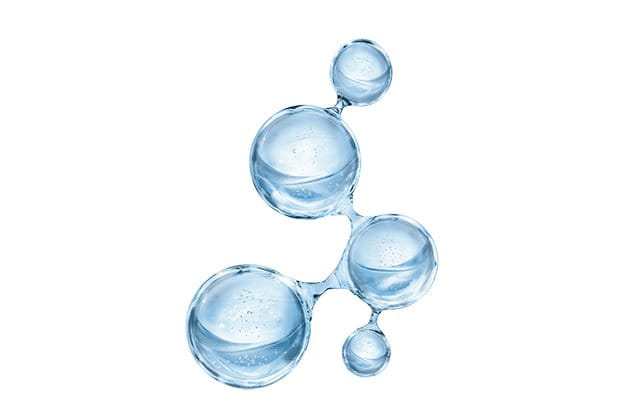
close up of ceramide molecules
Ceramides are the most abundant lipids in the stratum corneum (the skin's outer layer).

Ceramides are lipid molecules naturally found in the stratum corneum, the outermost layer of the skin. As a key component of the skin’s lipid matrix, alongside cholesterol and fatty acids, they help maintain cohesion between skin cells and support the skin barrier. This structured lipid layer helps reduce water loss, maintain hydration balance, and support the skin’s natural protective function4.

Types of Ceramides in skin and skincare

Ceramides are a family of lipid molecules that differ in structure and function. More than a dozen types are naturally present in the skin, where they contribute to the organisation and stability of the skin’s lipid barrier4. In skincare formulations, specific Ceramides are selected for their ability to help support this natural lipid structure and maintain barrier function.

  • Ceramide NP (Ceramide 3) - can help support moisture retention and barrier integrity. It is widely used in skincare formulations designed to help maintain hydration in the outer layers of the skin and support overall barrier function5.
  • Ceramide AP (Ceramide 6) - can help support smoother skin texture and barrier function. It is often combined with other Ceramides to help support the skin’s surface condition and maintain lipid balance within the outer skin layers5.
  • Ceramide EOP (Ceramide 1) - can help support lipid organisation within the skin barrier. It contributes to the structured arrangement of lipids in the outer skin layer, which is important for maintaining barrier stability5.

Natural vs synthetic Ceramides in skincare

Ceramides used in skincare can be derived from natural sources or produced synthetically, although most dermatological formulations use skin-identical synthetic Ceramides.

Naturally derived Ceramides:

  • Obtained from plant or animal lipid sources.
  • Composition may vary depending on the raw material.
  • Less commonly used in controlled dermatological skincare systems6.

Synthetic (skin-identical) Ceramides:

  • Produced in laboratories but structurally identical to those found in human skin.
  • Highly stable and consistent in quality.
  • Commonly used in dermatological formulations due to predictable performance7.

As a result, skin-identical synthetic Ceramides are widely used in dermatological skincare formulations due to their stability and consistency.

How Ceramides support the skin barrier and skin comfort

Ceramides play a key role in maintaining the skin’s lipid barrier, helping to keep the outer layer structured and cohesive. By supporting this barrier function, they may help reduce moisture loss and maintain hydration within the skin, contributing to overall skin comfort, particularly in dry or moisture-depleted skin18.

Ceramides are essential lipids that help maintain the skin’s natural barrier and support long-lasting hydration.

Who can benefit from Ceramides in skincare?

Ceramide-containing skincare is generally suitable for all skin types, as Ceramides are naturally present within the skin’s lipid barrier. It may be particularly beneficial for skin that is experiencing a loss of moisture balance or a weakened skin barrier, which can contribute to dryness and discomfort1.

It may be especially suitable for skin that is:

  • Dry or rough-feeling, where the skin may feel tight or uncomfortable1.
  • Exposed to environmental stressors, such as cold weather, wind, or low humidity.
  • Prone to moisture loss, where the skin may feel dehydrated or less resilient.
  • Frequently cleansed or washed, which may affect the skin’s natural lipid balance.
  • Eczema-prone, where the skin barrier may be more sensitive and susceptible to moisture loss9.

Why Ceramide levels in the skin may decrease

Ceramide levels within the stratum corneum may naturally decline over time due to a combination of intrinsic and external factors that affect the skin’s lipid balance. As Ceramide levels change, the skin barrier may become less efficient at retaining moisture and maintaining optimal hydration10. Factors that may contribute to reduced Ceramide levels include:

  • Environmental stress, such as cold, wind, or low humidity.
  • Frequent cleansing or over-washing, which may remove surface lipids.
  • Natural skin changes over time that affect lipid composition.
Ceramide levels may naturally decline over time, which can affect the skin’s ability to retain moisture and maintain a balanced barrier.

How to incorporate Ceramides into your skincare routine

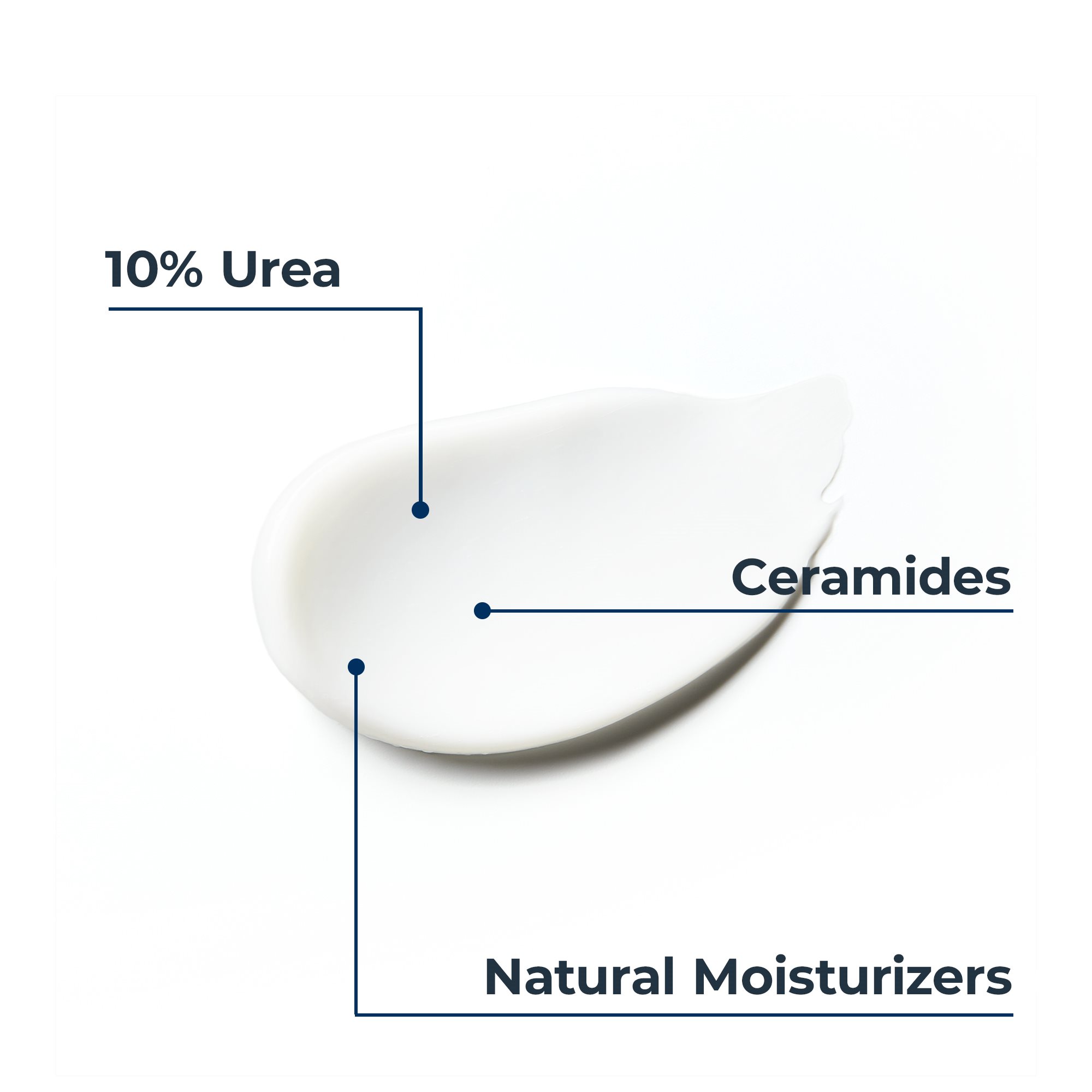
key ingredients in Eucerin UreaRepair
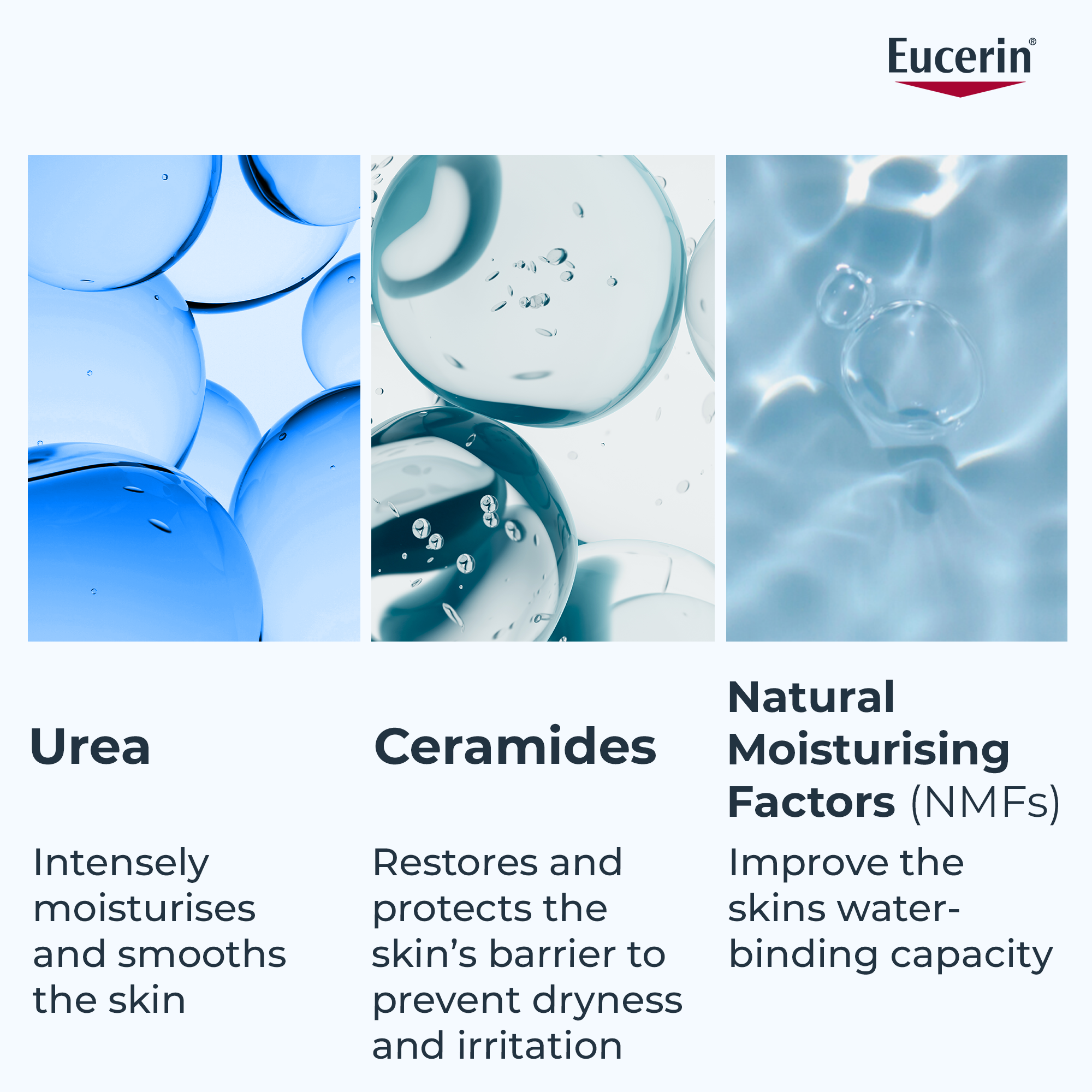
Ceramide, Urea, and other Natural Moisturising Factors (NMFs) bind moisture in and help support the skin barrier to prevent further moisture loss.

Ceramides are typically found in leave-on skincare products such as moisturisers, where they help support the skin’s natural protective barrier and maintain moisture levels. They are usually applied after cleansing as part of a consistent skincare routine to help reduce moisture loss and support overall skin comfort.

A simple daily routine may include:

  • Gently cleansing the skin to help remove impurities while maintaining the skin’s natural barrier.
  • Applying hydrating ingredients such as Humectants (for example, Urea or other moisture-binding components) to help increase water content in the outer skin layers.
  • Using a Ceramide-containing moisturiser to help support the skin’s lipid matrix and help reduce transepidermal water loss.

Eucerin formulations containing Ceramide 3 are developed to support dry and moisture-depleted skin. These products combine Ceramides with Urea and Natural Moisturising Factors (NMFs) to help support hydration and maintain the skin’s barrier function.

They can be used across different areas of the body depending on skin needs:

Eucerin Ceramide-containing skincare for the face and body

Body care:

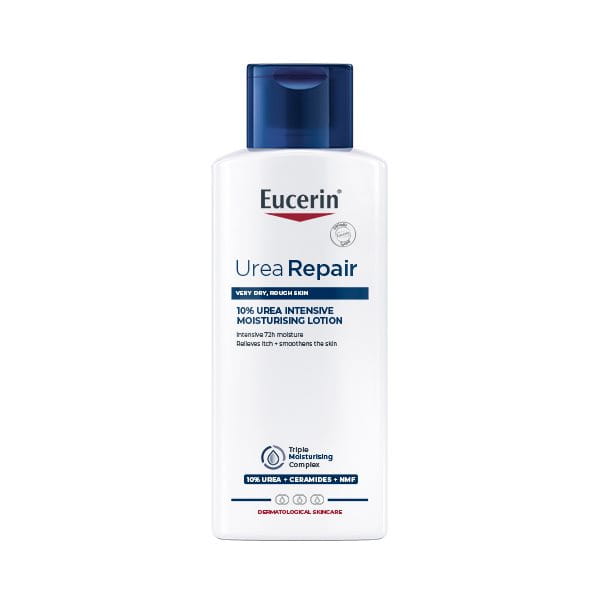
Eucerin UreaRepair PLUS: 10% Urea Body Lotion: For very dry, rough skin, this body lotion contains Urea, Ceramide 3, and NMFs. It provides immediate relief from dryness and helps support long-lasting hydration for up to 72 hours, while helping to protect the skin from external irritants.

Targeted care for hands and feet:

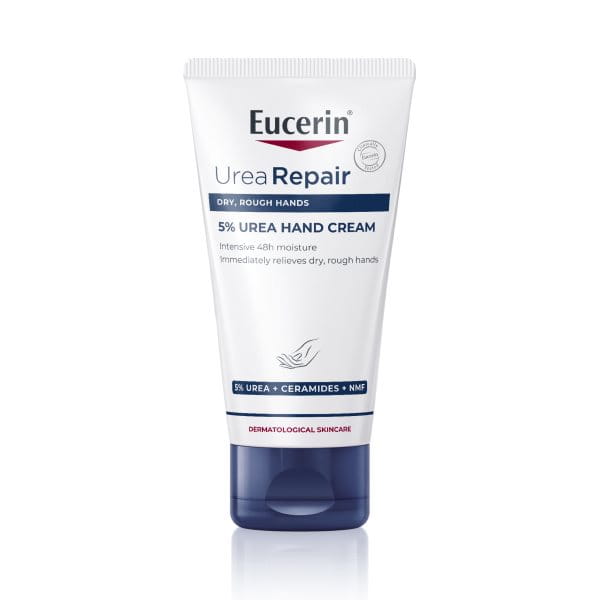
Eucerin UreaRepair Plus 5% Urea Hand Cream: Fragrance-free and fast-absorbing with no greasy residue, this hand cream contains Urea, Ceramide 3, and NMFs. It provides immediate relief from dryness and helps support long-lasting hydration for up to 48 hours, while helping to support the skin’s natural barrier.

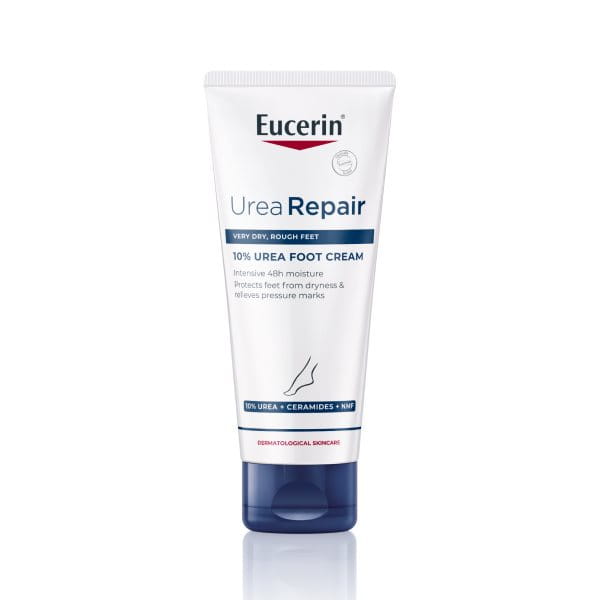
Eucerin UreaRepair Plus 10% Urea Foot Cream: Fast-absorbing and non-greasy, this foot cream contains Urea, Ceramide 3, and NMFs. It provides immediate and intensive moisturisation for up to 48 hours and helps support the skin’s natural lipid barrier, helping to reduce dryness and soften rough, cracked heels.

key ingredients in Eucerin UreaRepair Foot Cream
The UreaRepair Plus 10% Urea Foot Cream formula has been clinically proven to deliver immediate and intensive moisturisation to dry feet.

Face care:

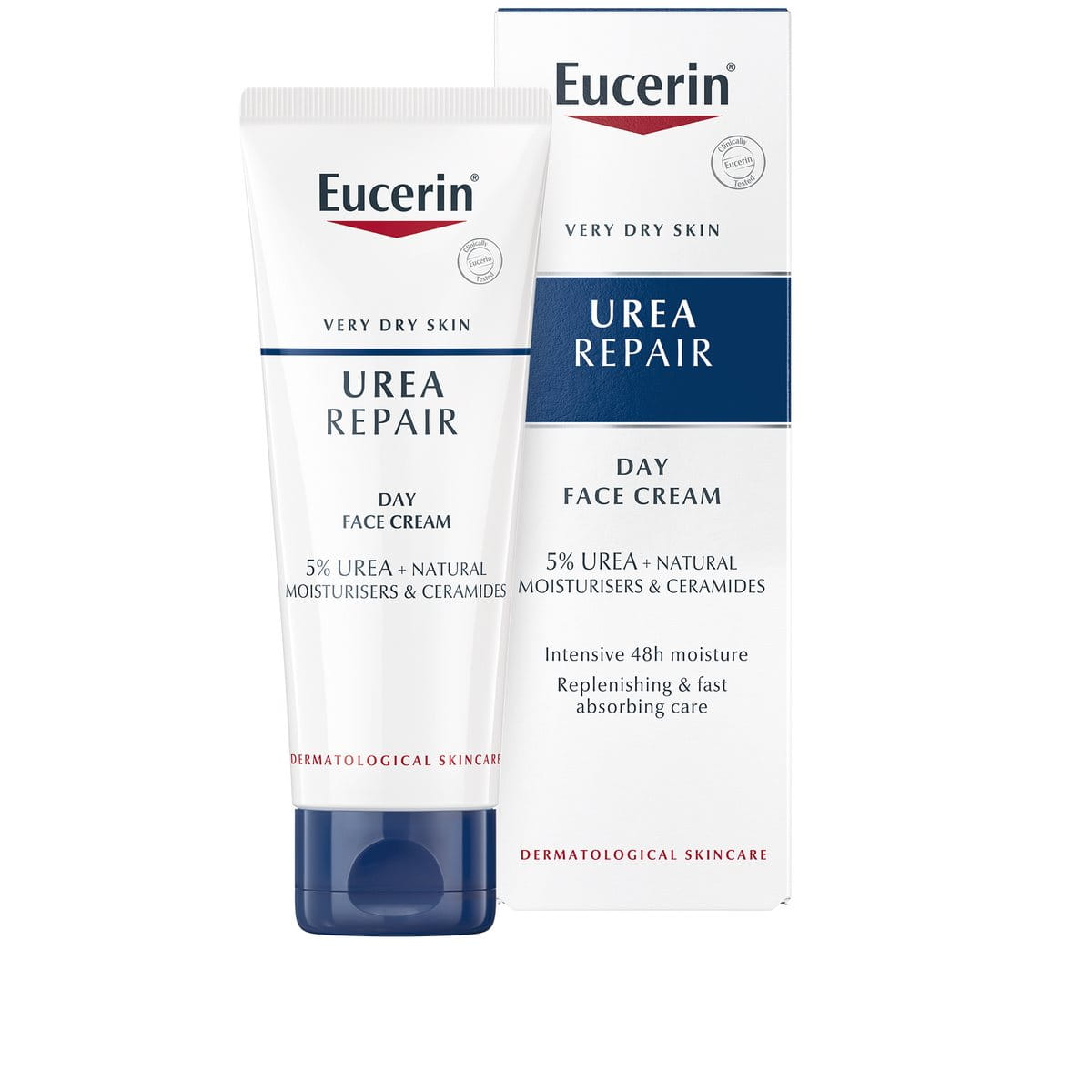
Eucerin UreaRepair Replenishing Face Cream 5% Urea: For very dry skin, this fast-absorbing face cream provides intensive hydration for up to 48 hours. Containing Urea, Ceramide 3, and NMFs, it helps reduce the feeling of tightness and supports smoother, more comfortable-looking skin. It is suitable for use under makeup or after shaving.

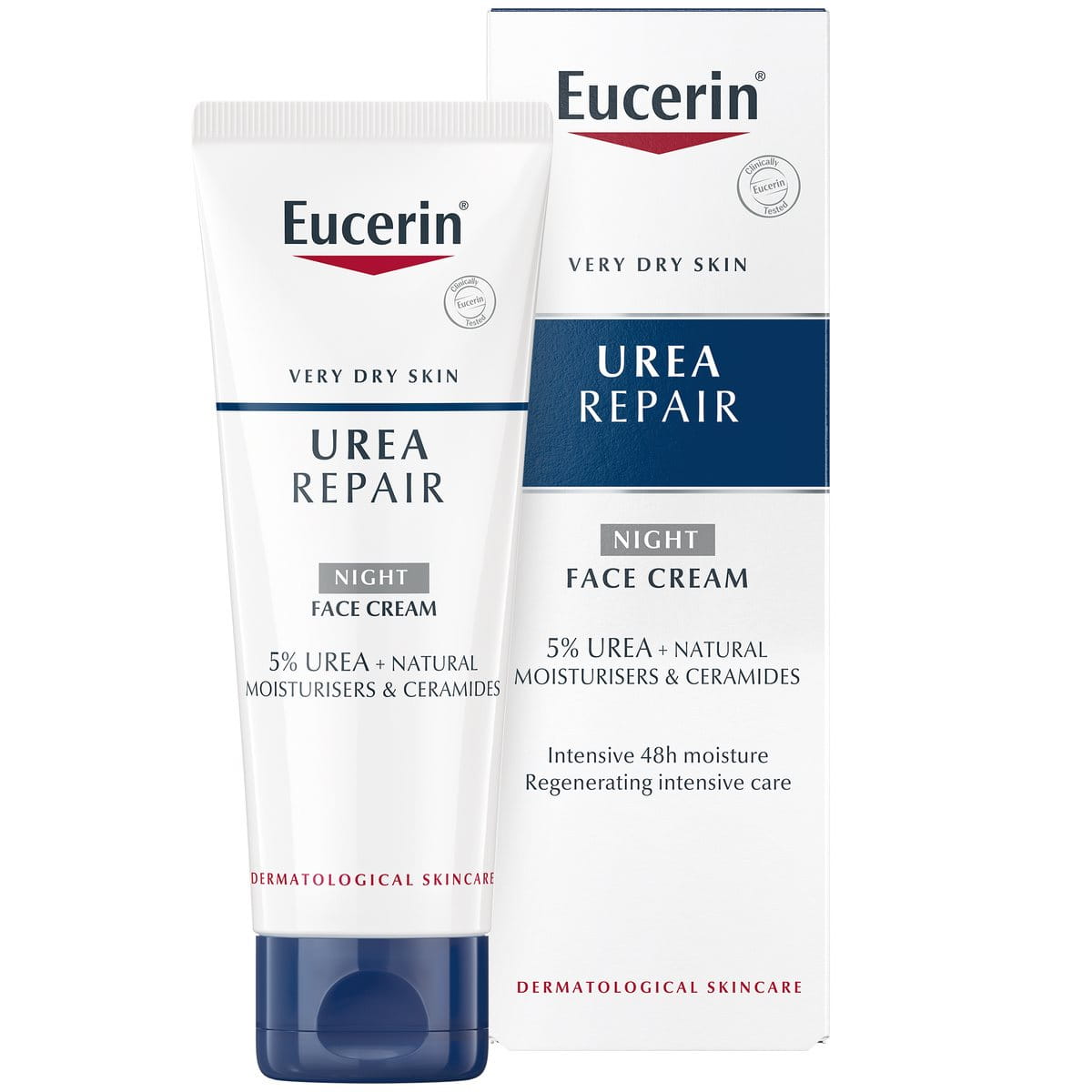
Eucerin UreaRepair Rich Replenishing Face Cream 5% Urea: Designed for very dry, tight skin, this night cream contains Urea, Ceramide 3, and NMFs. It provides intensive overnight hydration, helping to reduce the feeling of tightness and leave skin feeling soft, smooth, and more comfortable by morning.

Ceramides and complementary skincare ingredients

Ceramides are often used alongside other skincare ingredients that support hydration and skin comfort through different but complementary mechanisms. When combined, these ingredients can help support the skin’s moisture balance and barrier function more effectively than when used alone11.

Ingredients that work well with Ceramides

Ceramides are commonly combined with ingredients that help support hydration and skin comfort in different ways.

  • Hyaluronic Acid: Hyaluronic Acid helps attract and retain water in the skin12, while Ceramides help reduce moisture loss by supporting the skin’s lipid barrier. Together, they may help support long-lasting hydration and more comfortable-looking skin.
  • Urea and NMFs: Urea helps bind water within the skin, while Natural Moisturising Factors (NMFs) support the skin’s natural hydration processes13. Ceramides help support the skin’s lipid barrier, helping to maintain hydration balance in dry or moisture-depleted skin.
  • Peptides: Peptides are used in skincare to support skin conditioning, while Ceramides help support the skin’s lipid barrier14. Together, they may help support overall skin comfort and a smoother-looking appearance.
Ceramides are often combined with Hyaluronic Acid, Urea, and Peptides to help support hydration balance and skin comfort.

Ceramides: Key takeaways

Ceramides are essential lipids found in the skin’s outer layer that may help maintain the skin’s moisture balance and support the integrity of the skin’s natural barrier. In skincare formulations, they are often combined with ingredients such as Urea and Natural Moisturising Factors (NMFs) to help support dry or moisture-depleted skin. Regular use of Ceramide-containing skincare can help improve the skin’s comfort and leave it feeling smoother and more hydrated over time.

FAQs about Ceramides (9)

  • What are Ceramides?

    Ceramides are lipids naturally found in the outer layer of the skin that may help maintain the skin’s barrier and support moisture balance by reducing water loss from the skin surface.

  • What do Ceramides do for skin?

    Ceramides may help support the skin’s natural barrier function, reduce moisture loss, and maintain smoother, more comfortable-looking skin, particularly in dry or moisture-depleted skin.

  • Are Ceramides naturally found in the skin?

    Yes. Ceramides are naturally present in the outer layer of the skin (stratum corneum), where they form part of the skin’s lipid barrier.

  • Can Ceramides be used daily?

    Yes. Ceramide-based skincare is generally suitable for daily use as part of a regular skincare routine, both morning and evening.

  • What ingredients work well with Ceramides?

    Ceramides may work well with ingredients such as Hyaluronic Acid, Urea, and Natural Moisturising Factors (NMFs), which support hydration through complementary mechanisms.

  • What are the 3 essential Ceramides in skincare?

    The most used Ceramides in skincare include Ceramide NP, Ceramide AP, and Ceramide EOP. These are often included in formulations to help support the skin’s lipid structure and barrier function.

  • Is Ceramide better than Hyaluronic Acid?

    Ceramides and Hyaluronic Acid are not alternatives. Hyaluronic Acid helps attract and hold water in the skin, while Ceramides help reduce moisture loss by supporting the skin’s lipid barrier. They are often used together in skincare routines.

  • What should not be mixed with Ceramides?

    Ceramides are generally well-tolerated and can be combined with most skincare ingredients. They are often used alongside hydrating and barrier-supporting ingredients such as Hyaluronic Acid, Urea, and NMFs.

  • Are Ceramides suitable for older-looking skin?

    Ceramides may be suitable for skin that becomes drier or more moisture-depleted over time, as they help support the skin’s barrier and maintain hydration balance for more comfortable-looking skin.

Related Articles

Citations

  1. Schild, J.; Kalvodová, A.; Zbytovská, J.; Farwick, M.; Pyko, C. The Role of Ceramides in Skin Barrier Function and the Importance of Their Correct Formulation for Skincare Applications. International Journal of Cosmetic Science 2024, 46 (4), 526–543. https://doi.org/10.1111/ics.12972
  2. Berdyshev, E. Skin Lipid Barrier: Structure, Function and Metabolism. Allergy, Asthma & Immunology Research 2024, 16 (5), 445. https://doi.org/10.4168/aair.2024.16.5.445
  3. Bouwstra, J. A.; Nădăban, A.; Bras, W.; McCabe, C.; Bunge, A.; Gooris, G. S. The Skin Barrier: An Extraordinary Interface with an Exceptional Lipid Organization. Progress in Lipid Research 2023, 92, 101252. https://doi.org/10.1016/j.plipres.2023.101252
  4. Del, J. Q.; Kircik, L. Skin 101: Understanding the Fundamentals of Skin Barrier Physiology—Why Is This Important for Clinicians? The Journal of Clinical and Aesthetic Dermatology 2025, 18 (2), 7
  5. Suzuki, M.; Ohno, Y.; Kihara, A. Whole Picture of Human Stratum Corneum Ceramides, Including the Chain-Length Diversity of Long-Chain Bases. Journal of Lipid Research 2022, 63 (7), 100235. https://doi.org/10.1016/j.jlr.2022.100235
  6. Smeden, J. van; Bouwstra, J. A. Stratum Corneum Lipids: Their Role for the Skin Barrier Function in Healthy Subjects and Atopic Dermatitis Patients. Skin Barrier Function 2016, 49, 8–26. https://doi.org/10.1159/000441540
  7. Coderch, L.; López, O.; de la Maza, A.; Parra, J. L. Ceramides and Skin Function. American Journal of Clinical Dermatology 2003, 4 (2), 107–129. https://doi.org/10.2165/00128071-200304020-00004
  8. Baker, P.; Huang, C.; Radi, R.; Moll, S. B.; Jules, E.; Arbiser, J. L. Skin Barrier Function: The Interplay of Physical, Chemical, and Immunologic Properties. Cells 2023, 12 (23), 2745. https://doi.org/10.3390/cells12232745
  9. Fujii, M. The Pathogenic and Therapeutic Implications of Ceramide Abnormalities in Atopic Dermatitis. Cells 2021, 10 (9), 2386. https://doi.org/10.3390/cells10092386
  10. Yong, T. L.; Zaman, R.; Rehman, N.; Tan, C. K. Ceramides and Skin Health: New Insights. Experimental Dermatology 2025, 34 (2). https://doi.org/10.1111/exd.70042
  11. Purnamawati, S.; Indrastuti, N.; Danarti, R.; Saefudin, T. The Role of Moisturizers in Addressing Various Kinds of Dermatitis: A Review. Clinical Medicine & Research 2017, 15 (3-4), 75–87. https://doi.org/10.3121/cmr.2017.1363
  12. Papakonstantinou, E.; Roth, M.; Karakiulakis, G. Hyaluronic Acid: A Key Molecule in Skin Aging. Dermato-Endocrinology 2012, 4 (3), 253–258. https://doi.org/10.4161/derm.21923
  13. Piquero-Casals, J.; Morgado-Carrasco, D.; Granger, C.; Trullàs, C.; Jesús-Silva, A.; Krutmann, J. Urea in Dermatology: A Review of Its Emollient, Moisturizing, Keratolytic, Skin Barrier Enhancing and Antimicrobial Properties. Dermatology and Therapy 2021, 11 (6), 1905–1915. https://doi.org/10.1007/s13555-021-00611-y
  14. Andrada Pintea; Manea, A.; Cezara Pintea; Vlad, R.-A.; Bîrsan, M.; Antonoaea, P.; Emöke Margit Rédai; Ciurba, A. Peptides: Emerging Candidates for the Prevention and Treatment of Skin Senescence: A Review. Biomolecules 2025, 15 (1), 88–88. https://doi.org/10.3390/biom15010088

Find your nearest Eucerin pharmacy