
Close-up portrait of a woman touching the side of her face, with clear skin and blue eyes looking to the side.
8 min read
Show more

Last Reviewed: August, 2026

Dark circles under the eyes are a common concern across all skin tones and age groups, referring to areas of discolouration or shadowing beneath the lower eyelids. While usually harmless, they can make the eye area appear tired or less refreshed. Their appearance can range from blue and purple tones to brown pigmentation, depending on skin type and the underlying cause1.

They can develop for a variety of reasons, often involving more than one factor at the same time. These may include pigmentation, thinning skin, visible blood vessels, genetics and lifestyle influences2. Identifying the underlying cause is essential to choosing the most appropriate approach to help improve their appearance.
Different types of dark circles under the eyes

Dark circles under the eyes can present in different ways depending on their appearance. They are generally classified according to visible characteristics in the under-eye area.

  • Pigmented dark circles: These appear as brown-toned discolouration in the under-eye area. They are linked to increased melanin in the skin, which can make pigmentation more noticeable.
  • Vascular dark circles: These appear as blue, purple or pink tones and are associated with the visibility of blood vessels beneath the delicate under-eye skin.
  • Structural dark circles: These are characterised by a shadowed or hollow appearance under the eyes, often related to the natural contours of the face.
  • Combination dark circles: In many cases, more than one characteristic is visible at the same time. Pigmentation, vascular visibility and structural shadows may overlap, creating a more pronounced appearance1.

What causes dark circles under the eyes?

Dark circles usually develop when factors affect pigmentation, blood vessel visibility and skin structure in the under-eye area2. These influences are often combined.

  • Hyperpigmentation and sun exposure: Sun exposure can increase melanin production, which may lead to more visible pigmentation under the eyes.
  • Ageing and skin changes: As skin becomes thinner and loses volume with age, blood vessels may become more visible and shadows more pronounced.
  • Lifestyle factors affecting blood flow and appearance: Lack of sleep and fatigue can make blood vessels appear more prominent, contributing to a darker under-eye appearance.
  • Genetic factors: Genetics can influence skin thickness, pigmentation levels and facial structure, all of which affect the visibility of dark circles.
  • Hormonal changes, including pregnancy: Hormonal fluctuations may influence pigmentation activity, which can make dark circles more noticeable.
  • Skin irritation and inflammation: Conditions such as eczema or dermatitis, as well as frequent eye rubbing due to allergies, may contribute to irritation and post-inflammatory pigmentation changes.
  • General health and internal factors: In some cases, factors such as dehydration, anaemia or nutrient deficiencies may contribute to a tired-looking appearance.
Dark circles under the eyes are often caused by a combination of pigmentation, visible blood vessels, skin ageing and lifestyle factors rather than a single underlying cause.

Which skincare ingredients help reduce the appearance of dark circles?

Certain skincare ingredients can help improve the appearance of dark circles, particularly those associated with uneven skin tone, visible pigmentation and a tired-looking eye area.

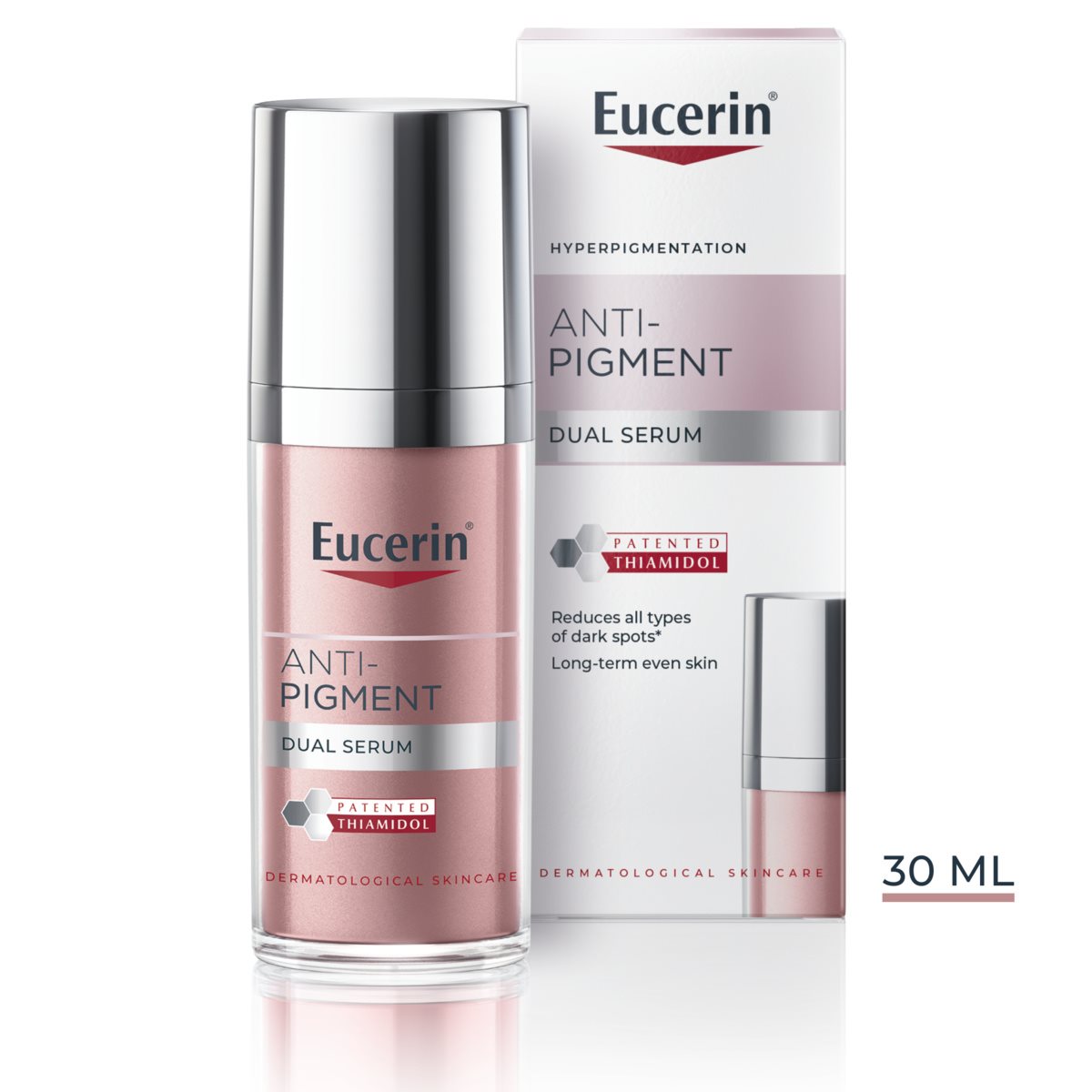
  • Thiamidol®: A patented Eucerin ingredient used in the Anti-Pigment range to help improve the appearance of hyperpigmentation-related dark circles.
  • Hyaluronic Acid: A well-established skincare ingredient that helps hydrate the skin and support a smoother, more refreshed-looking under-eye area3.
  • Niacinamide (Vitamin B3): A widely used ingredient known for helping to improve the appearance of uneven skin tone and supporting a more even-looking complexion in areas affected by pigmentation4.
  • Vitamin C: An antioxidant ingredient known for helping to improve skin radiance and the appearance of uneven skin tone, supporting a brighter-looking under-eye area5.

Thiamidol for hyperpigmentation-related dark circles

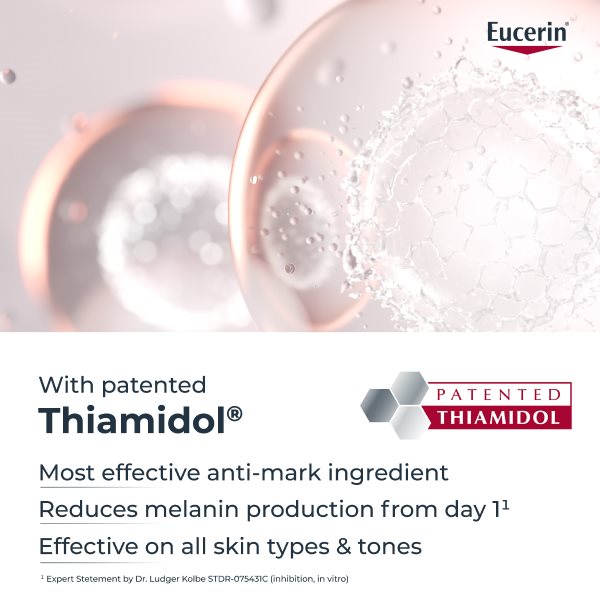
Infographic showing a close-up illustration of a Thiamidol molecule overlaid with text that says Thiamidol is the most effective anti-mark ingredient, it reduces melanin production from day one and is effective on all skin types and tone

Thiamidol® is a patented ingredient developed by Eucerin and used in the Anti-Pigment range to help reduce the appearance of hyperpigmentation by helping to regulate melanin production in the skin. It is featured across multiple products designed to improve the appearance of uneven skin tone, including areas where pigmentation-related dark circles are visible, and with regular use, it helps support a more even-looking complexion.

Dermatologist-recommended skincare routine for dark circles under the eyes

A consistent skincare routine can help improve the appearance of dark circles and support a brighter, more even-looking eye area over time2.

Step 1: Cleanse

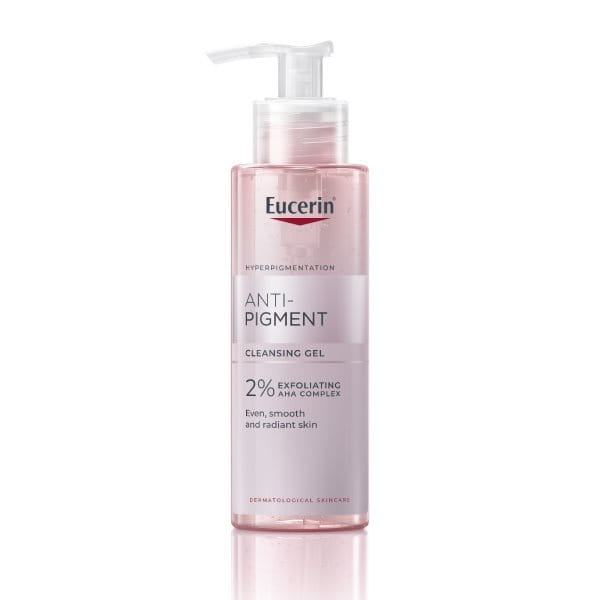
Use Eucerin Anti-Pigment Cleansing Gel to gently remove impurities, excess sebum and makeup while preparing the skin for the rest of your skincare routine. It helps refresh the skin and supports a more even-looking complexion over time.

Step 2: Target dark circles

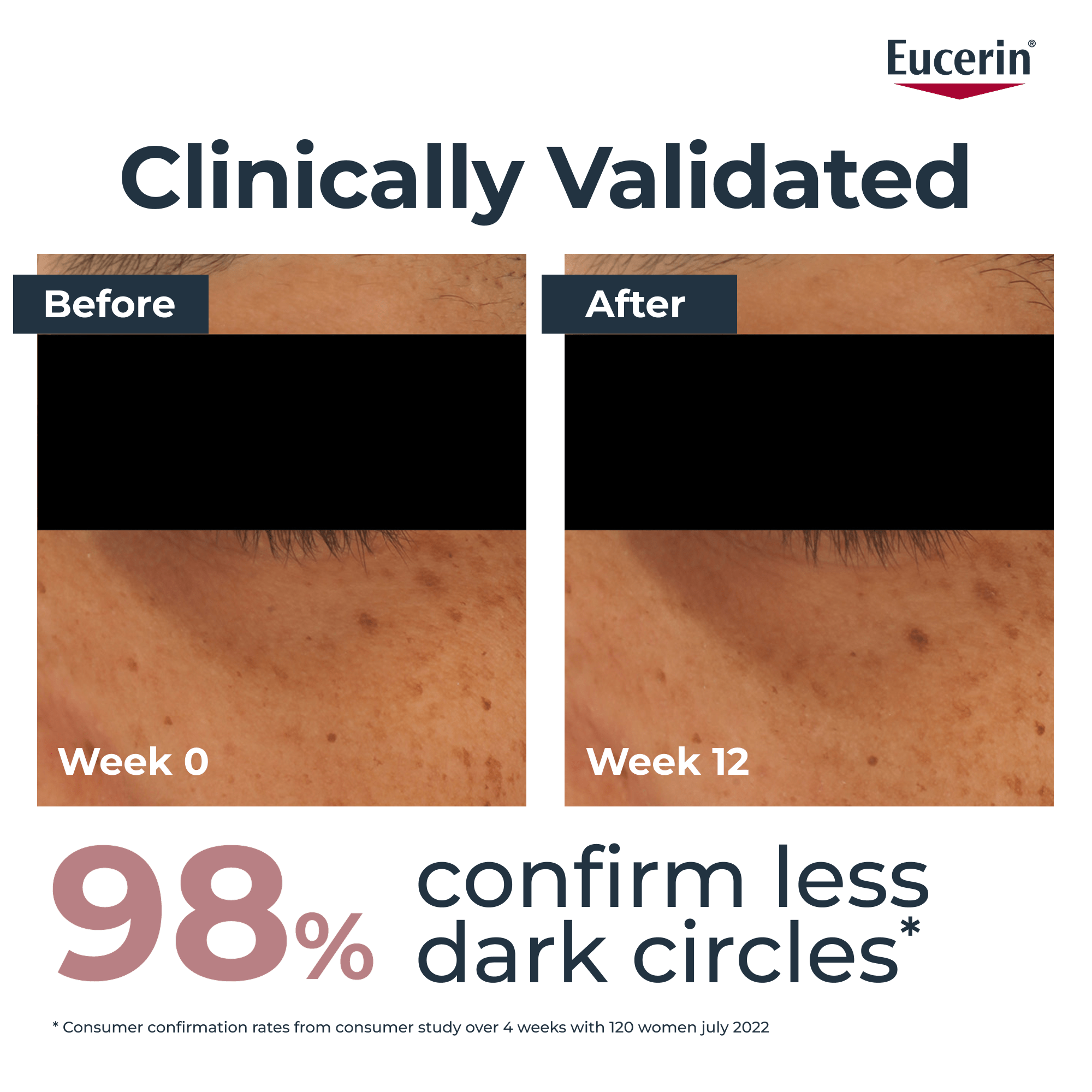
Before and after image showing a reduction in the appearance of dark circles under the eyes after 12 weeks of use. The image also shows that 98% of users from a consumer study over 4 weeks confirm that they saw less dark circles.
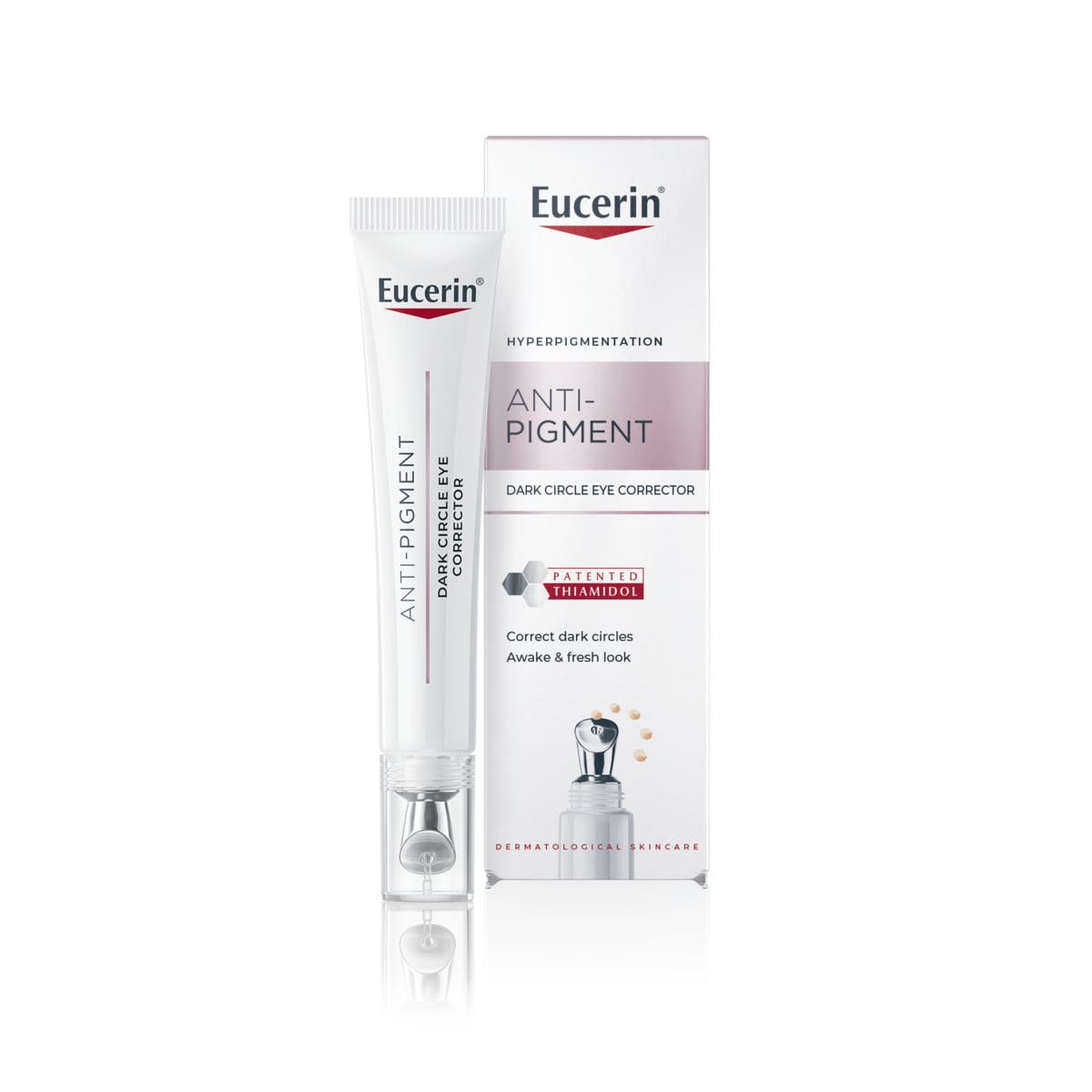
Eucerin Anti-Pigment Dark Circle Eye Corrector is clinically proven to visibly reduce the appearance of dark circles under eyes

Apply Eucerin Anti-Pigment Dark Circle Eye Corrector directly to the under-eye area. The formula helps improve the appearance of dark circles, supports a more refreshed-looking eye area and provides an instantly brighter appearance.

Step 3: Moisturise

A consistent morning and evening moisturising routine helps protect the skin during the day and support its natural renewal process overnight.

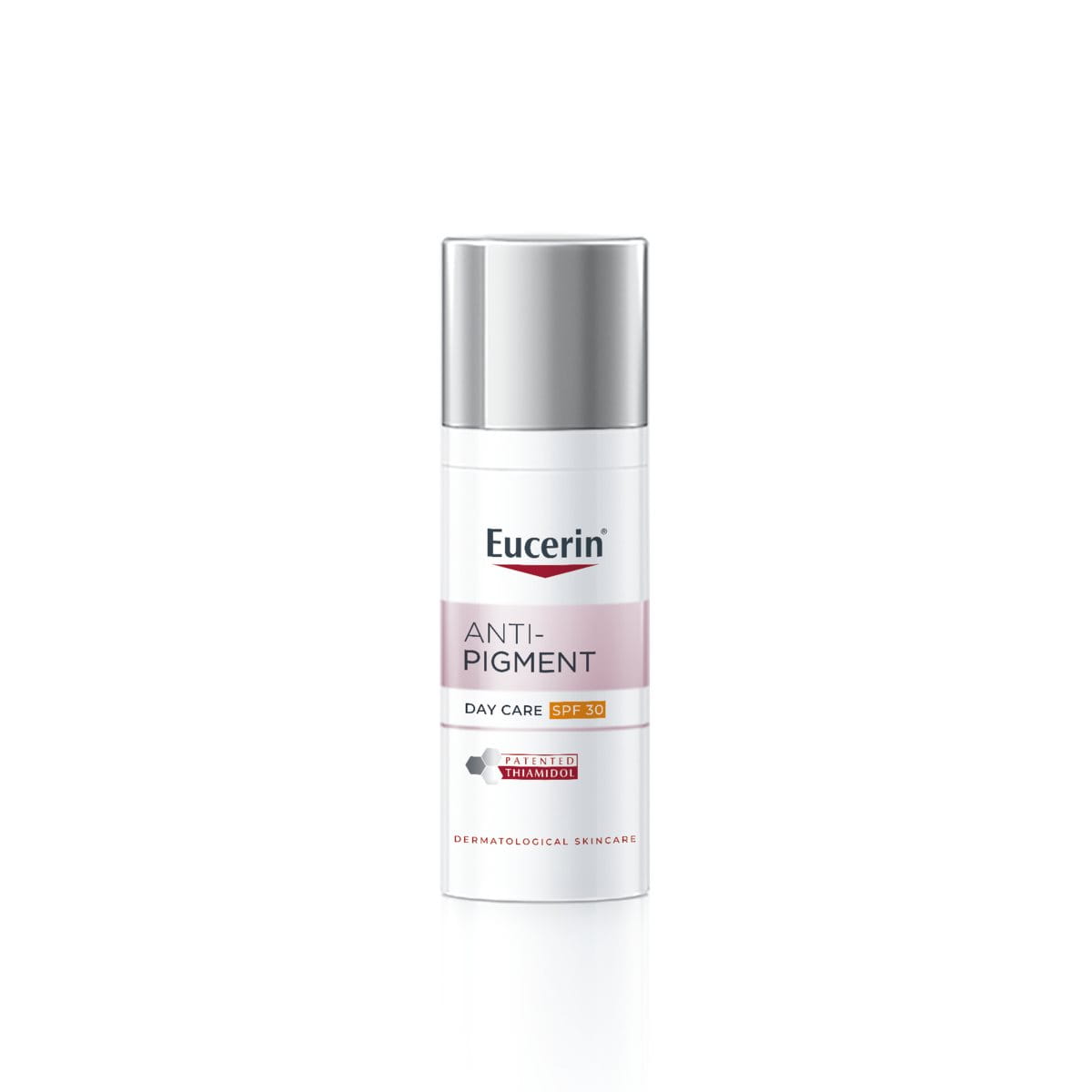
  • Morning (moisturise and protect): Use Eucerin Anti-Pigment Day Cream SPF30 each morning to help protect the skin from UV-induced pigmentation and support a more even-looking complexion over time. It provides SPF30 with UVA and UVB protection to help guard against sun-induced dark spots and supports a more radiant-looking skin tone.
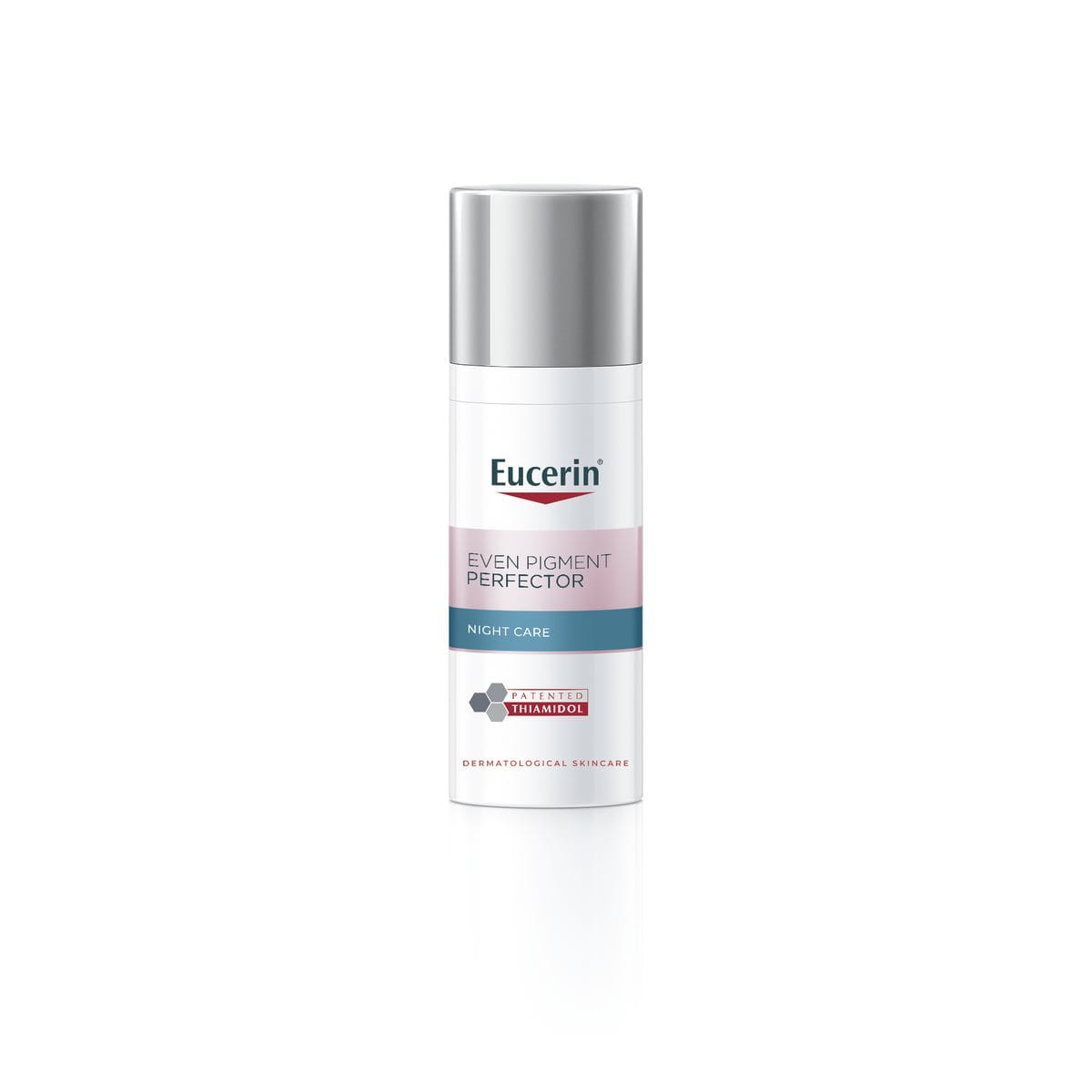
  • Evening (moisturise): Use Eucerin Anti-Pigment Night Cream in the evening to support the skin’s natural overnight renewal process and help improve the appearance of uneven skin tone. The formula helps reduce the appearance of dark spots and supports a more even-looking complexion while you sleep.

Skincare routine for dark circles

How to reduce dark circles under the eyes

While dark circles cannot always be eliminated completely, certain lifestyle and supportive approaches may help reduce their appearance2.

Lifestyle changes that may help reduce the appearance of dark circles

Prioritising good sleep: Good sleep supports overall skin health and natural skin renewal processes6. Around eight hours per night is generally recommended.

Maintaining a balanced diet: A varied diet with essential vitamins and minerals supports healthy-looking skin and may help reduce the appearance of dark circles7.

Checking for nutritional deficiencies: If you suspect a deficiency, such as low iron or vitamin levels, it is advisable to seek guidance from a healthcare professional.

Alternative at-home care for dark circles

Certain at-home measures may help temporarily refresh the under-eye area and reduce the appearance of puffiness, although results are typically short-term.

  • Cold compress: Applying a cold compress to the eyes may help refresh the under-eye area and reduce the appearance of puffiness.
  • Cooled tea bags: Steeped and cooled black tea bags can be placed on the eyelids to help temporarily soothe and refresh the eye area8.
  • Cucumber slices: Placing chilled cucumber slices on the eyelids may help cool and temporarily revitalise the under-eye area.

While these approaches may offer short-term visual improvement, they do not address the underlying causes of dark circles. A targeted skincare routine is recommended for longer-term support, such as Eucerin Anti-Pigment Dark Circle Eye Corrector.

How to use makeup to reduce the appearance of dark circles

Lightweight concealers and colour-correcting products can help temporarily reduce the visible appearance of dark circles, creating a more even-looking and refreshed finish.

Professional treatments for dark circles

Some individuals may consider professional treatments for persistent or more pronounced dark circles, depending on their underlying cause and severity. These should always be carried out following consultation with a qualified healthcare professional.

  • Chemical peels: May help improve the appearance of uneven pigmentation by encouraging surface skin exfoliation.
  • Laser treatments: Can be used to target areas of pigmentation or visible blood vessels, depending on the type of dark circles.
  • Dermal fillers: May be considered where volume loss contributes to shadowing under the eyes.

Professional assessment is essential to determine the most appropriate approach for individual needs.

How to prevent dark circles

While dark circles under the eyes cannot be fully prevented, preventative care can help reduce the likelihood of them becoming more visible over time and support a more even-looking under-eye area.

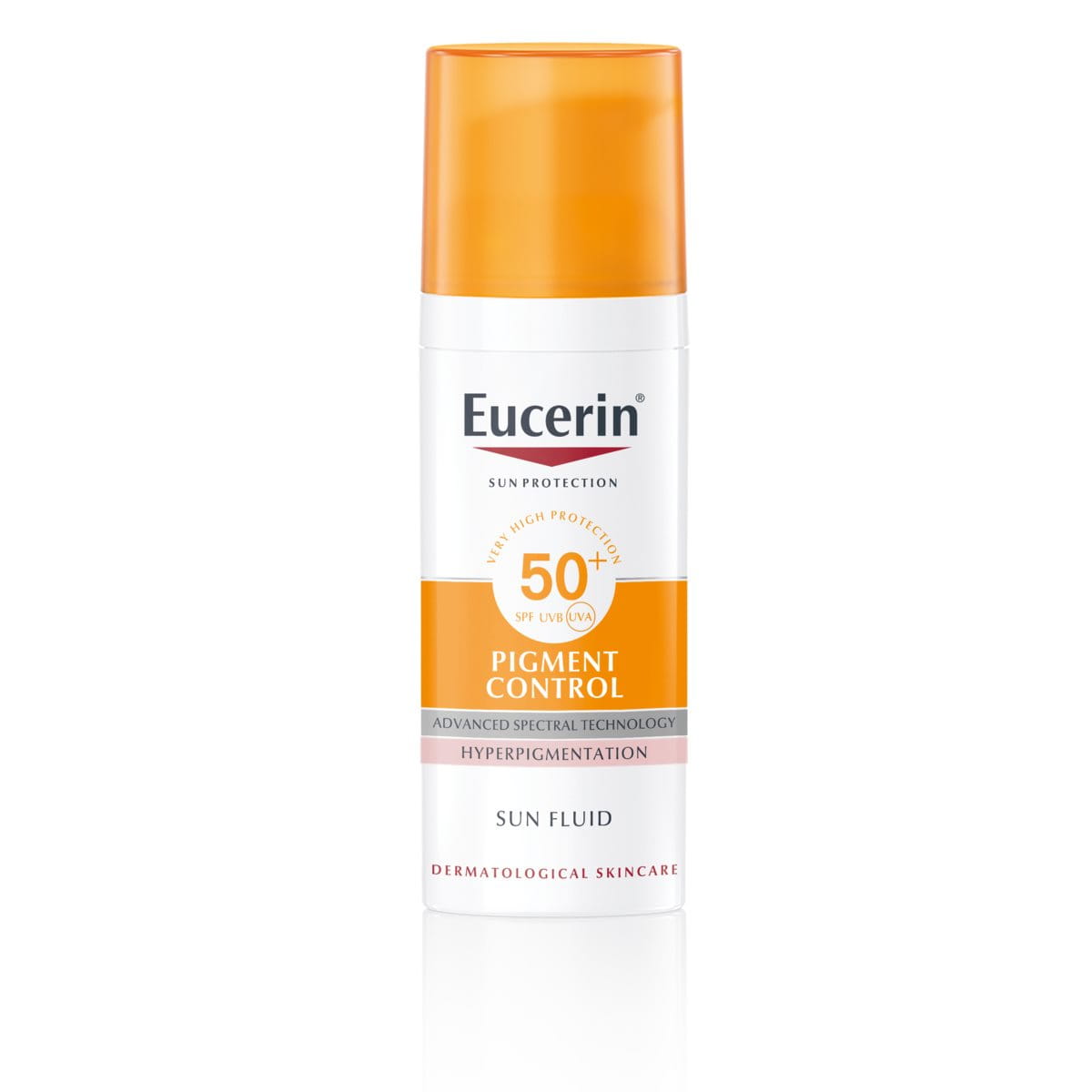
  • Protecting skin from UV exposure: Daily sun protection helps prevent UV-induced pigmentation and supports a more even-looking skin tone9. Eucerin Sun Face Pigment Control SPF50+ offers very high facial sun protection with Advanced Spectral Technology (UVA/UVB and HEVIS light defence). Suitable for all skin types, it helps prevent sun-induced hyperpigmentation and supports a more even-looking complexion.
  • Avoid rubbing the eyes: Rubbing can irritate the delicate under-eye area and may contribute to changes in pigmentation over time2.
  • Maintaining a consistent skincare routine: Regular use of targeted skincare helps support a smoother, more even-looking eye area.
  • Supporting skin health through healthy habits: Good sleep, hydration and a balanced diet all contribute to overall skin health and can help support the appearance of the under-eye area.
Daily sun protection, consistent skincare and healthy lifestyle habits can help reduce the likelihood of dark circles becoming more noticeable over time.

When should I worry about dark circles under the eyes?

Dark circles are usually harmless and commonly related to lifestyle, genetics or skin-related factors. However, in some cases, it is advisable to seek medical advice2.

Seek guidance from a healthcare professional if dark circles:

  • Appear suddenly without an obvious cause.
  • Affect only one eye.
  • Worsen quickly over a short period of time.
  • Are accompanied by pain, swelling or other unusual symptoms.

Dark circles under the eyes: key takeaways

Dark circles under the eyes can result from a combination of factors, including pigmentation, ageing, genetics and lifestyle influences. Because of this, identifying the underlying cause is important when choosing an appropriate approach.

A consistent skincare routine, including Thiamidol®, together with daily sun protection and healthy lifestyle habits, can help improve the appearance of dark circles and support a more even-looking under-eye area.

FAQs about dark circles under the eyes (10)

Related Articles

Citations

  1. Sarkar, R.; Ranjan, R.; Garg, S.; Garg, V. K.; Sonthalia, S.; Bansal, S. Periorbital Hyperpigmentation: A Comprehensive Review. J. Clin. Aesthet. Dermatol. 2016, 9 (1), 49–55. https://jcadonline.com/periorbital-hyperpigmentation-a-comprehensive-review/
  2. Michelle, L.; Pouldar Foulad, D.; Ekelem, C.; Saedi, N.; Mesinkovska, N. A. Treatments of Periorbital Hyperpigmentation: A Systematic Review. Dermatol. Surg. 2021, 47 (1), 70–74. https://journals.lww.com/dermatologicsurgery/Abstract/2021/01000/Treatments_of_Periorbital_Hyperpigmentation__A.14.aspx
  3. Canto, A. C. V. C. S.; Costa-Lima, B. R. C.; Suman, S. P.; Monteiro, M. L. G.; Viana, F. M.; Salim, A. P. A. A.; Nair, M. N.; Silva, T. J. P.; Conte-Junior, C. A. Color Attributes and Oxidative Stability of Longissimus Lumborum and Psoas Major Muscles from Nellore Bulls. Meat Sci. 2016, 121, 19–26. https://www.sciencedirect.com/science/article/pii/S0309174016301687
  4. Hakozaki, T.; Minwalla, L.; Zhuang, J.; Chhoa, M.; Matsubara, A.; Miyamoto, K.; Greatens, A.; Hillebrand, G. G.; Bissett, D. L.; Boissy, R. E. The Effect of Niacinamide on Reducing Cutaneous Pigmentation and Suppression of Melanosome Transfer. Br. J. Dermatol. 2002, 147 (1), 20–31. https://onlinelibrary.wiley.com/doi/10.1046/j.1365-2133.2002.04834.x
  5. Booze, R. Behavioral Sensitization Following Repeated Intravenous Nicotine Administration: Gender Differences and Gonadal Hormones. Pharmacol. Biochem. Behav. 1999, 64 (4), 827–839. https://www.sciencedirect.com/science/article/pii/S0091305799001690
  6. Gay, H. C.; Baldridge, A. S.; Huffman, M. D. Feasibility, Process, and Outcomes of Cardiovascular Clinical Trial Data Sharing. JAMA Cardiol. 2017, 2 (12), 1375–1377. https://jamanetwork.com/journals/jamacardiology/fullarticle/2653022
  7. Ahmed, I. A.; Mikail, M. A. Diet and Skin Health: The Good and the Bad. Nutrition 2024, 119, 112350. https://www.sciencedirect.com/science/article/pii/S0899900723003645
  8. Tea Bags for Eyes: Benefits, How to Use, Tea Types, Risks, and More. Healthline. https://www.healthline.com/health/tea-bags-for-eyes.
  9. Coelho, S. G.; Choi, W.; Brenner, M.; Miyamura, Y.; Yamaguchi, Y.; Wolber, R.; Smuda, C.; Batzer, J.; Kolbe, L.; Ito, S.; Wakamatsu, K.; Zmudzka, B. Z.; Beer, J. Z.; Miller, S. A.; Hearing, V. J. Short- and Long-Term Effects of UV Radiation on the Pigmentation of Human Skin. J. Investig. Dermatol. Symp. Proc. 2009, 14 (1), 32–35. https://www.sciencedirect.com/science/article/pii/S0022202X15529096

Find your nearest Eucerin pharmacy