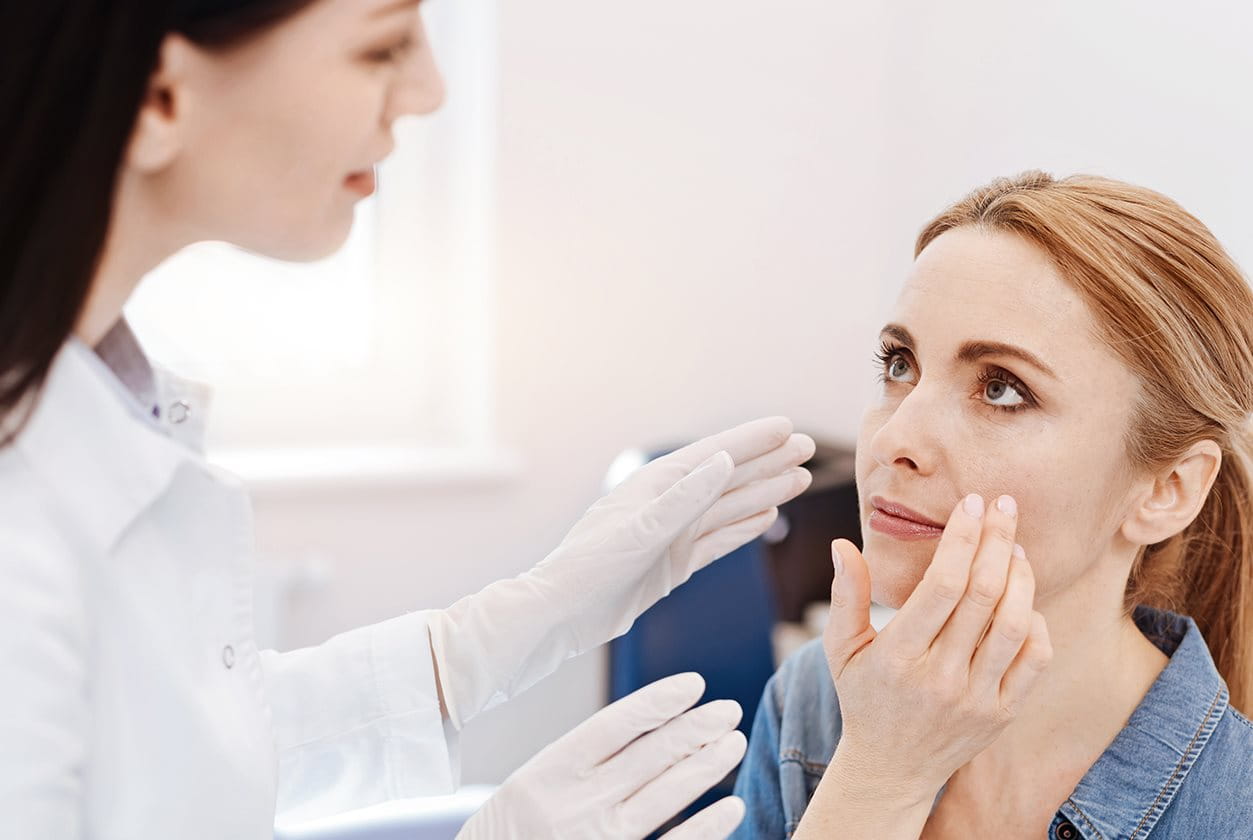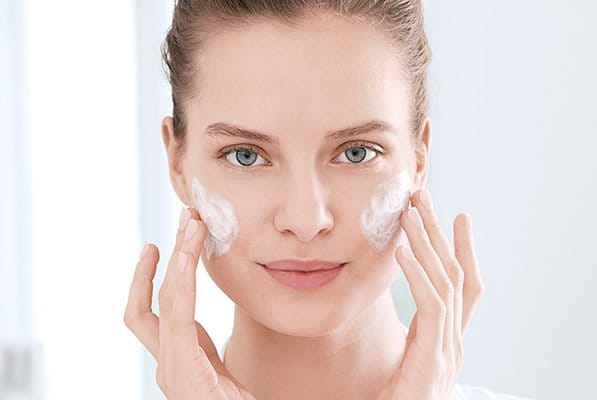
A woman looks stressed because of acne.

Say goodbye to stress acne

9 min read
Show more

Published: July 2022

Last Reviewed: December 2025

Our skin is our largest organ and a mirror of our physical and mental wellbeing. As anyone who has experienced it knows, living with blemish-prone skin and acne can be very stressful. 

In this article, we look at the impact that psychological stress in either our personal or professional lives can have on our bodies in general and our skin in particular. We explore the relationship between stress and acne, how stress can cause or worsen blemishes, and practical steps we can take to reduce stress and minimise its impact on our skin.
There is a difference between 'good stress' (eustress) and 'negative stress' (distress). In stressful situations, the body produces hormones such as adrenaline and cortisol, blood pressure rises, and the body goes into alert mode. For our ancestors, it was advantageous for survival to be in this state in dangerous situations and to be able to fight or flee. Today, however, such extreme physical reactions are rarely needed, yet our bodies still respond the same way to everyday pressures.

Stress can disrupt the metabolism: you may have trouble sleeping, your digestion suffers, you can feel depressed, perhaps irritable and out of balance. And, for many people, it’s not long before the effects start to show on the skin. It can become itchy or red, and blemishes may begin to appear.

The science behind stress and acne

Emotional stress has long been associated with acne, but research suggests1 that, until recently, science has underestimated the impact it has on acne severity.

When we’re stressed, our bodies produce hormones (such as cortisol and adrenal androgens), neuropeptides (nerve proteins such as endorphins and insulin) and inflammatory cytokines (small proteins that trigger inflammation), which influence the behaviour of the sebaceous glands and can aggravate acne.
“Research by the University Clinic of Dermatology at Stanford University School of Medicine reveals a pathogenic (i.e., disease-causing) correlation between chronic stress and the worsening of acne2.”
Numerous research reports, many of which are questionnaire-based, suggest that acne patients associate their condition with stress, with between 50% and 80%3 of them agreeing to statements that stress makes acne worse. One study shows that patients with acne reported a lag time of two days between a stressful episode and the exacerbation of acne3.

Stress can also cause some people to pick at their blemishes, which can spread bacteria and cause more inflammation, so that mild acne symptoms get worse. In addition, once blemishes have been triggered, research has also shown that stress slows down wound healing by up to 40%4, so blemishes are likely to take longer to heal.

What does stress acne look like?

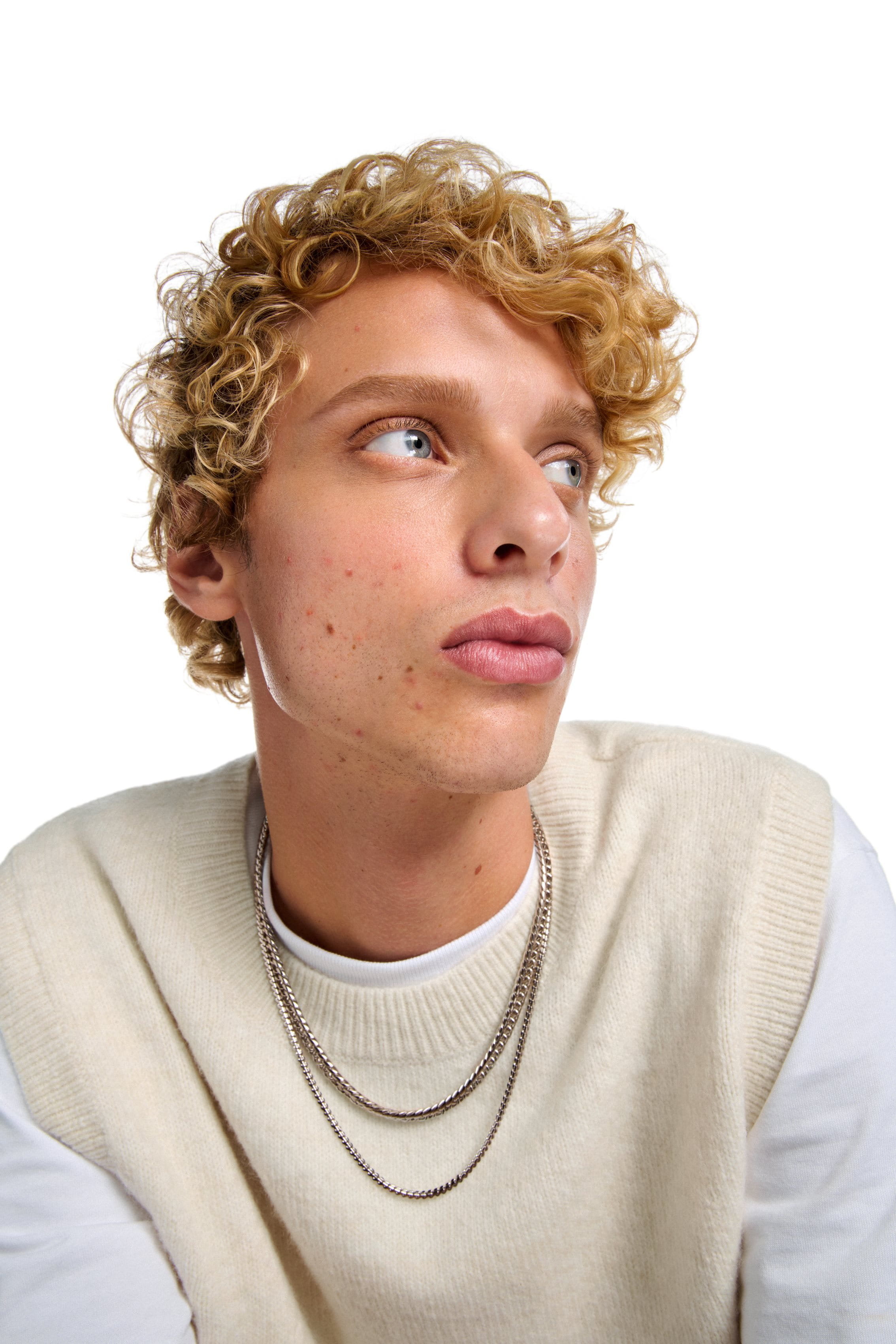
Close-up of blackheads and whiteheads on facial skin, illustrating typical stress-induced acne blemishes.
Stress acne often appears as blackheads, whiteheads, and inflamed pimples, commonly affecting the face, chest, and back.
Stress acne is likely to take the form of an increased number of blackheads (open comedones), whiteheads (closed comedones) and inflamed pimples. These blemishes often appear on areas prone to oil production, such as the forehead, chin, jawline, chest, and back. Stress can worsen existing acne by triggering inflammation and increasing oil production, making blemishes more noticeable and persistent. Understanding the typical appearance of stress acne can help you identify flare-ups early and take steps to manage them.

Living with acne: the emotional pressures

Living with acne can carry a significant emotional burden. It’s not just the visible blemishes, but the constant self-consciousness, heightened awareness, and social strain that many people experience.
Those with acne are also more likely to experience depression, anxiety, or social phobia compared with people without the condition.

How acne affects feelings and behaviour

The psychological impact of acne often leads to changes in behaviour. Many sufferers report avoiding eye contact, hiding behind scarves, caps or make-up, refusing to be photographed, or avoiding exercise or social gatherings. These reactions are responses to real feelings of embarrassment, stigma and decreased self-esteem.

Acne and depression

Studies indicate that medically untreated acne can increase the risk of low mood and depression5. Anxiety and depression generally reduce when acne is treated effectively, highlighting the link between skin and mental health. If you notice persistent sadness, shame, or social withdrawal alongside your skin concerns, it is important to talk to your doctor or a mental-health professional as well as your dermatologist.

Finding calm: how reducing stress supports skin and wellbeing

Understanding both the psychological and physical impact of acne is important, but there are practical steps you can take to reduce stress and support your skin’s health. 
A more relaxed lifestyle has many possible benefits, including reducing stress-induced acne flare-ups.
For example, just 20 minutes6 of relaxation can help accelerate the healing of small wounds, support your body’s natural repair processes, and reduce pain, while also helping to calm your mind and improve overall well-being.

Relaxation means different things to different people. For some, it’s the calm of listening to music; for others, it’s enjoying quiet and stillness. The key is finding what helps you feel at ease and restores your sense of balance.

Types of relaxation

It’s important to note the difference between physical, emotional, and cognitive relaxation:

  • Physical relaxation: means that tension in the muscles reduces, blood pressure and heart rate decrease and breathing slows down
  • Emotional relaxation: is a soothing feeling of wellbeing, inner peace and serenity
  • Cognitive relaxation: occurs when you get to grips with the thought processes that are fuelling anxiety, so you feel less stressed and more grounded.
Stress occurs when any one of these factors is off balance. Stress isn’t always negative; it’s a normal part of everyday life. An athlete, for example, won’t achieve their goal in a state of physical relaxation, and cognitive stress can also be a stimulant for some people and in some situations. But constant, daily stress is not healthy.
“It’s important to work out what combination of physical, emotional and cognitive relaxation works for you personally and to try and achieve that state more often.”

Tips for reducing stress

When life feels overwhelming and demands keep piling up, it can be hard to remain calm. The following simple strategies can help you manage stress and support both your wellbeing and your skin:

Identify your triggers: Know which situations, people or habits tend to spike your stress levels.
Exercise regularly: Physical activity can reduce stress hormones and improve mood.
Practice relaxation techniques: Breathing exercises, meditation, yoga, or mindfulness can help lower cortisol levels. 
Get enough sleep: Lack of sleep amplifies stress and acne flare-ups.
Maintain a healthy diet: Avoid excessive sugar and processed foods, which can aggravate stress and inflammation.
Prioritise self-care: Set aside time for activities that help you feel calm and happy.

Additional strategies to manage stress and support your skin

Alongside relaxation techniques, other practical steps can help reduce the impact of stress on your skin. Renowned dermatologist and acne specialist, Dr Markus Reinholz, shares his advice on how to cope better with the psychological impact of acne:

Get help

The sooner you start medical treatment, the sooner you’ll get your feelings under control. Research shows7 that anxiety and depression generally reduce when acne is treated medically. Your doctor will be able to advise on and prescribe the best treatment for your skin, as well as answer any questions you may have.

Routine and tips for clearer skin

Taking care of blemish-prone skin involves both a consistent skincare routine and smart coverage options. Tinted creams and cover-sticks can help mask blackheads and pimples, supporting confidence while your skin heals. Make sure to choose products that are non-comedogenic (meaning they will not clog your pores) and, ideally, that also support your skin’s health.

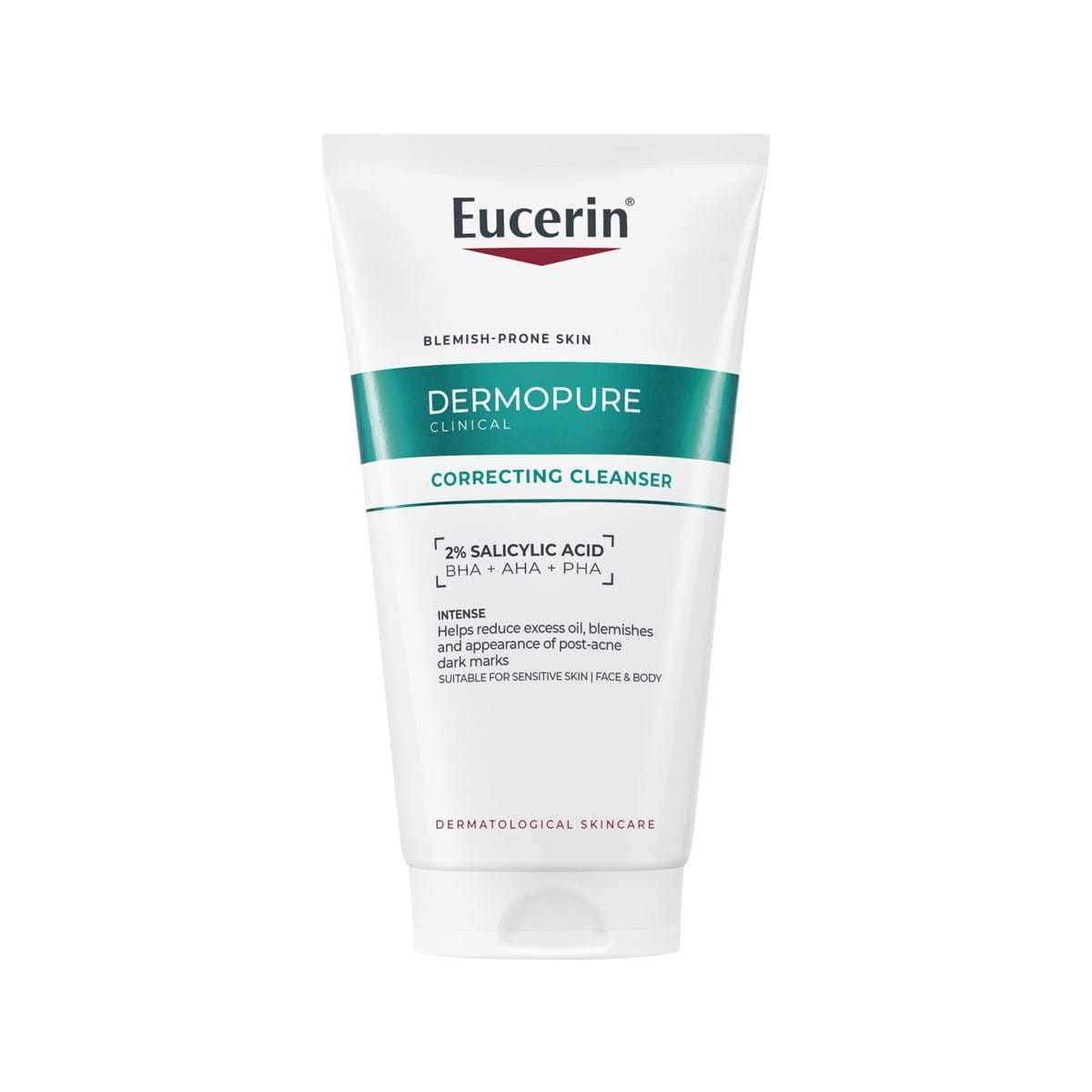
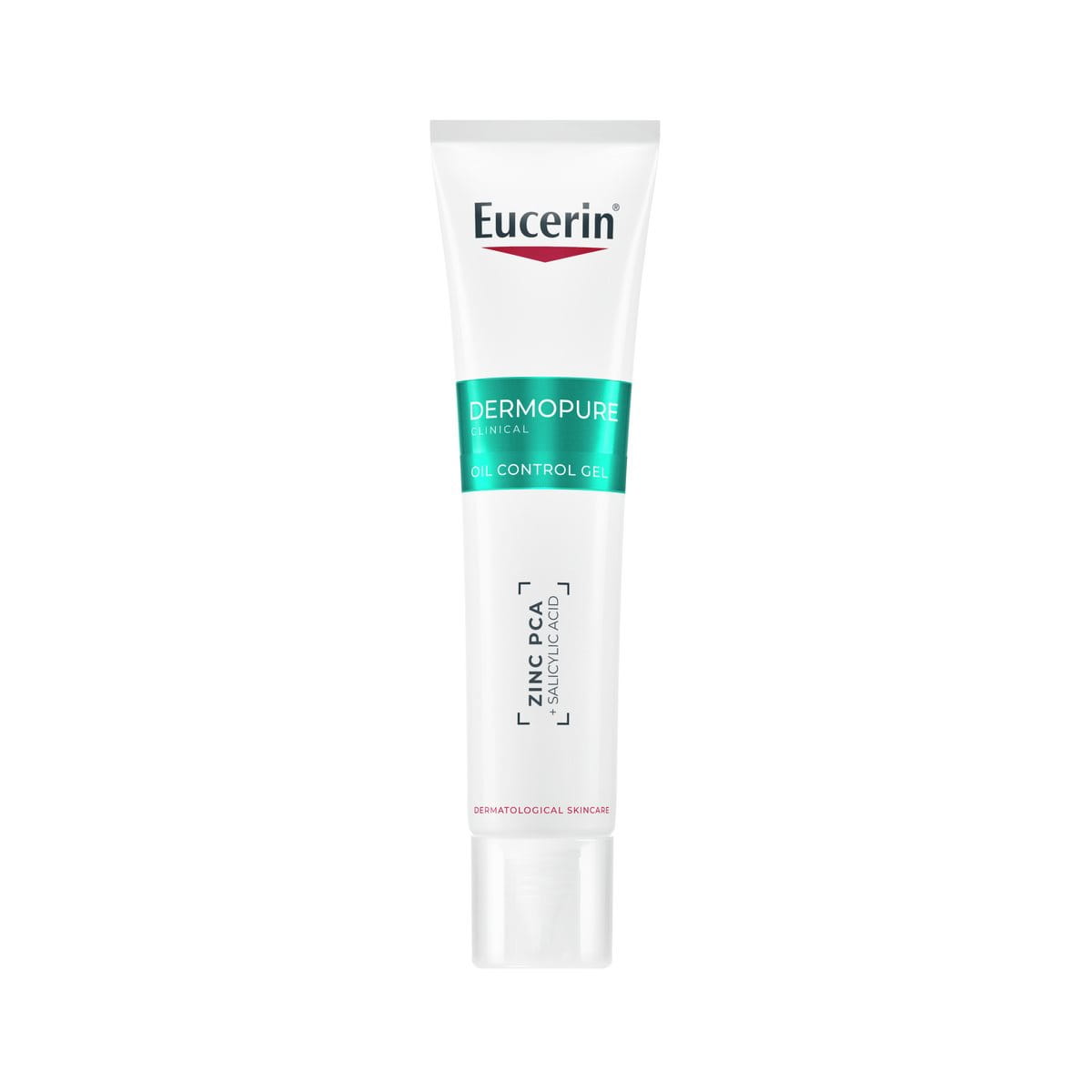
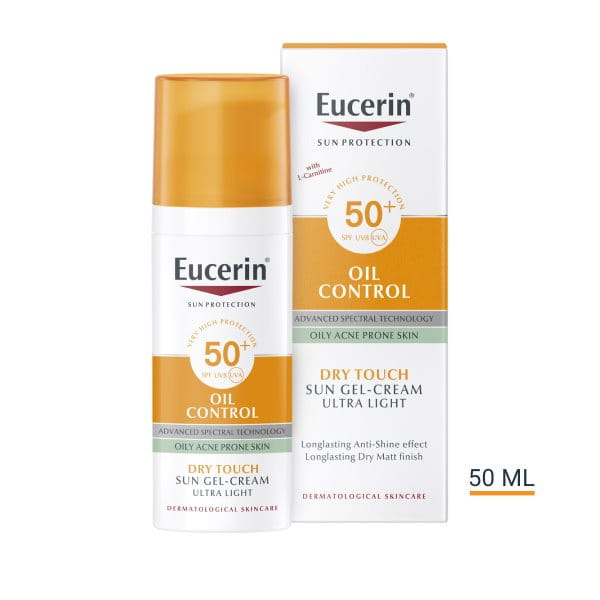
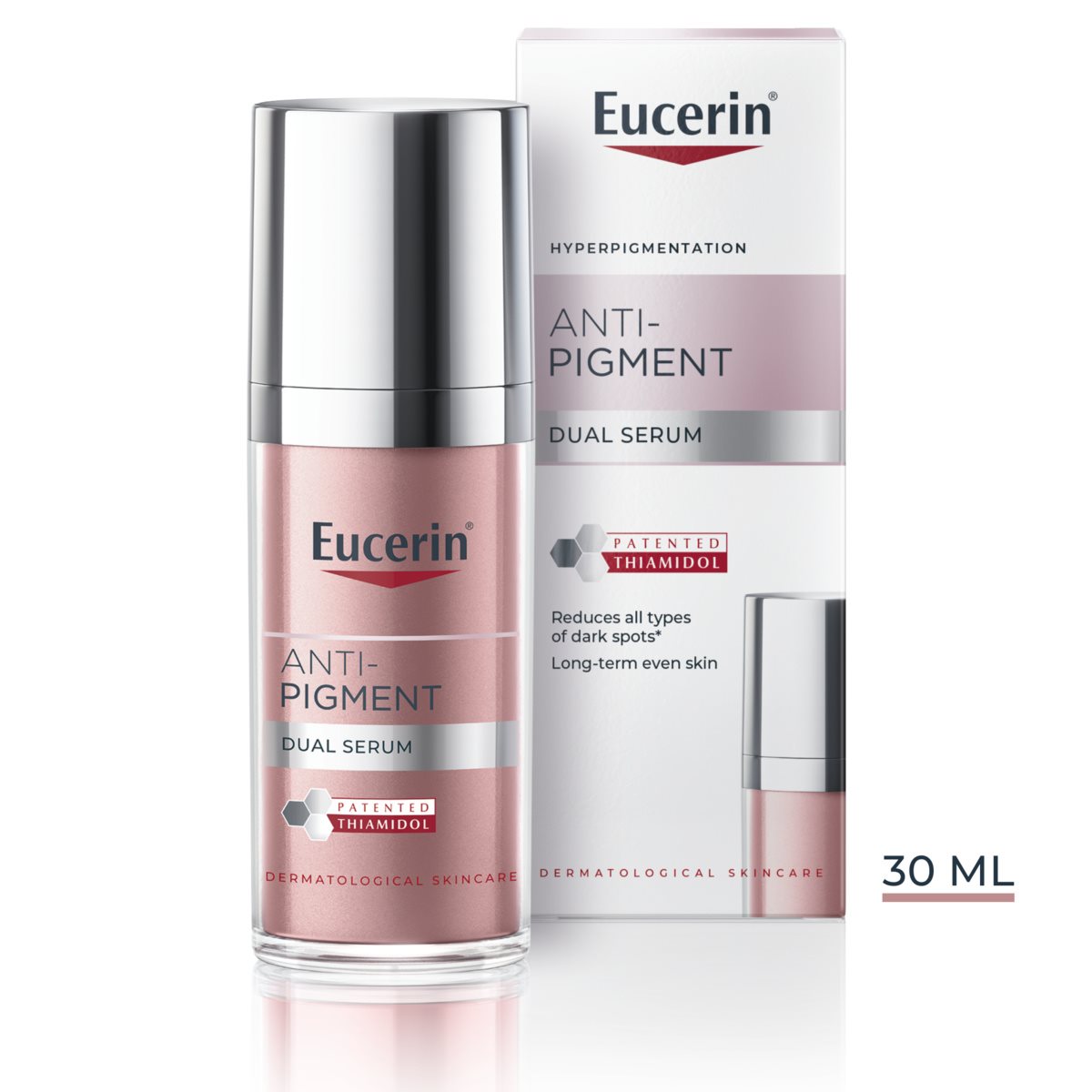
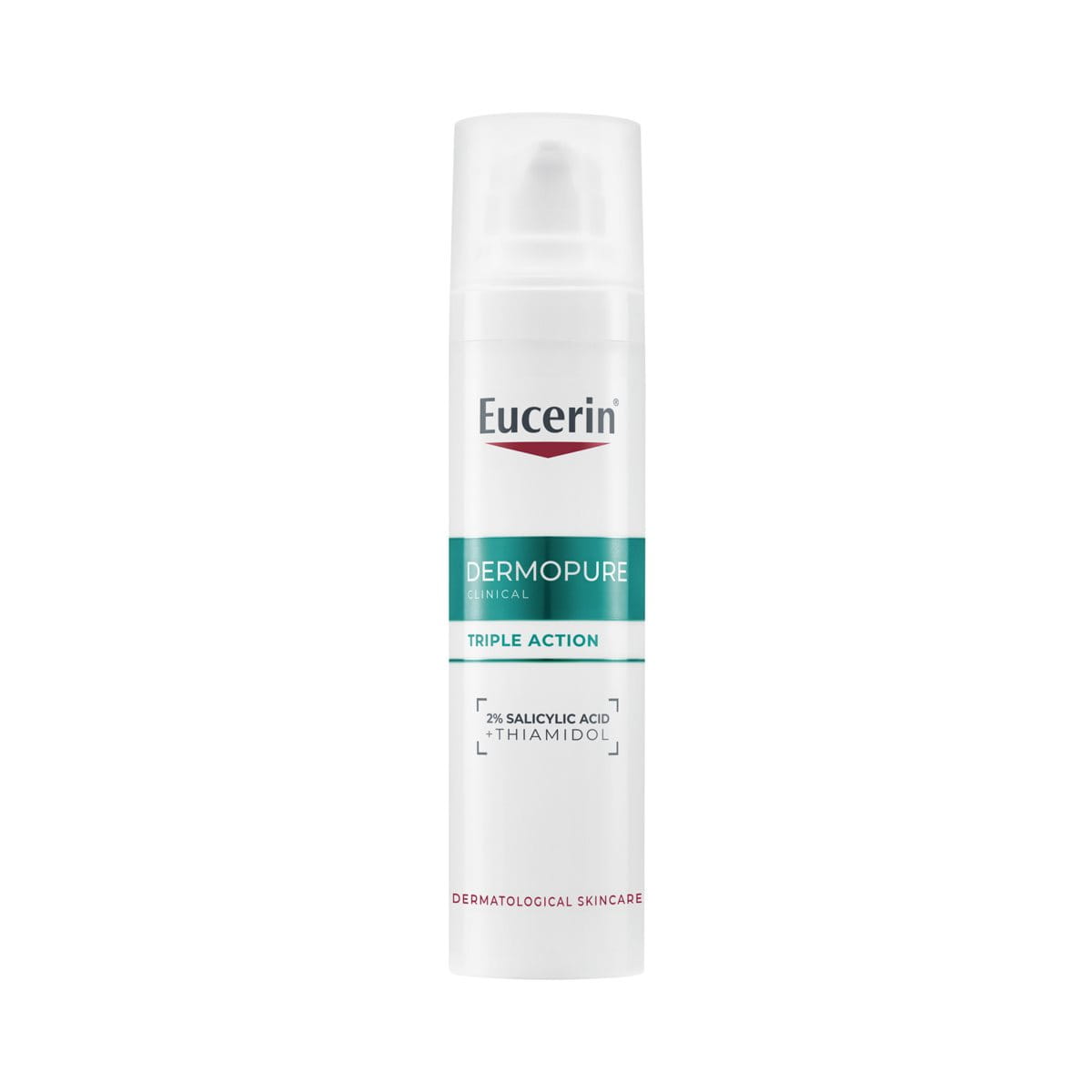
When it comes to skincare for acne and blemish-prone skin, the Eucerin DERMOPURE Clinical range is specially formulated to help, including for breakouts triggered by stress. Its key ingredients help reduce inflammation, fight bacteria and regulate excess sebum production, tackling the main causes of breakouts. Regular use can help minimise blemishes and promote a clearer, healthier-looking complexion.

Related Products

Look after yourself

Exercise (ideally in a group rather than on your own), a healthy lifestyle, and a balanced diet are some of the steps you can take to boost your self-confidence, keep your spirits up and support your skin.

Summary

Stress can trigger acne or make existing blemishes worse through hormonal, inflammatory and behavioural pathways. Managing stress, practising self-care, and maintaining a healthy lifestyle can reduce flare-ups and support skin healing.

Combining relaxation techniques with a consistent skincare routine and medical advice when needed can help improve both skin health and overall wellbeing.

FAQs

  • Can acne medication make you depressed?

    Standard acne medications are not known to directly cause depression. However, if you notice changes in mood while using medication, speak with your doctor or dermatologist.
  • How can I get rid of stress acne?

    Managing stress, maintaining a consistent skincare routine, and seeking medical advice when needed can help reduce stress acne. Lifestyle factors such as adequate sleep, exercise, and relaxation techniques also support clearer skin.
  • Can stress cause acne?

    Yes, stress triggers hormonal and inflammatory responses in the body, which can worsen existing acne or trigger new blemishes.
  • What is acne depression?

    Acne depression can occur when living with persistent or severe acne affects your mood, self-esteem, or confidence. Treating acne effectively, practising self-care, and seeking professional support can help improve both skin health and emotional wellbeing.

Sources

1. Jović, A., Marinović, B., Kostović, K., Čeović, R., Basta-Juzbašić, A., & Bukvić Mokos, Z. (2017). The Impact of Pyschological Stress on Acne. Acta Dermatovenerologica Croatica: ADC, 25(2), 1133–1141. Retrieved from https://pubmed.ncbi.nlm.nih.gov/28871928/ 
2. Chiu, A., Chon, S. Y., & Kimball, A. B. (2003). The response of skin disease to stress: changes in the severity of acne vulgaris as affected by examination stress. Archives of Dermatology, 139(7), 897–900. https://doi.org/10.1001/archderm.139.7.897 
3. Jović, A., Branka Marinović, Krešimir Kostović, Čeović, R., & Zrinka Bukvić Mokos. (2017). The Impact of Pyschological Stress on Acne. Acta Dermatovenerologica Croatica: ADC / Hrvatsko Dermatolosko Drustvo, 25(2), 133–141. Retrieved from https://www.researchgate.net/publication/318833540_The_Impact_of_Pyschological_Stress_on_Acne
4. Stress Slows Healing of Dental Wounds by 40 Percent. (n.d.). Stress Slows Healing of Dental Wounds by 40 Percent. https://news.osu.edu/stress-slows-healing-of-dental-wounds-by-40-percent/
5. Uhlenhake, E., Yentzer, B. A., & Feldman, S. R. (2010). Acne vulgaris and depression: a retrospective examination. Journal of Cosmetic Dermatology, 9(1), 59–63. https://doi.org/10.1111/j.1473-2165.2010.00478.x
6. Robinson, H., Jarrett, P., & Broadbent, E. (2015). The Effects of Relaxation Before or After Skin Damage on Skin Barrier Recovery. Psychosomatic Medicine, 77(8), 844–852. https://doi.org/10.1097/psy.0000000000000222 
7. Rubinow, D. R., Peck, G. L., Squillace, K. M., & Gantt, G. G. (1987). Reduced anxiety and depression in cystic acne patients after successful treatment with oral isotretinoin. Journal of the American Academy of Dermatology, 17(1), 25–32. https://doi.org/10.1016/S0190-9622(87)70166-2 

Related Articles

Find your nearest Eucerin pharmacy