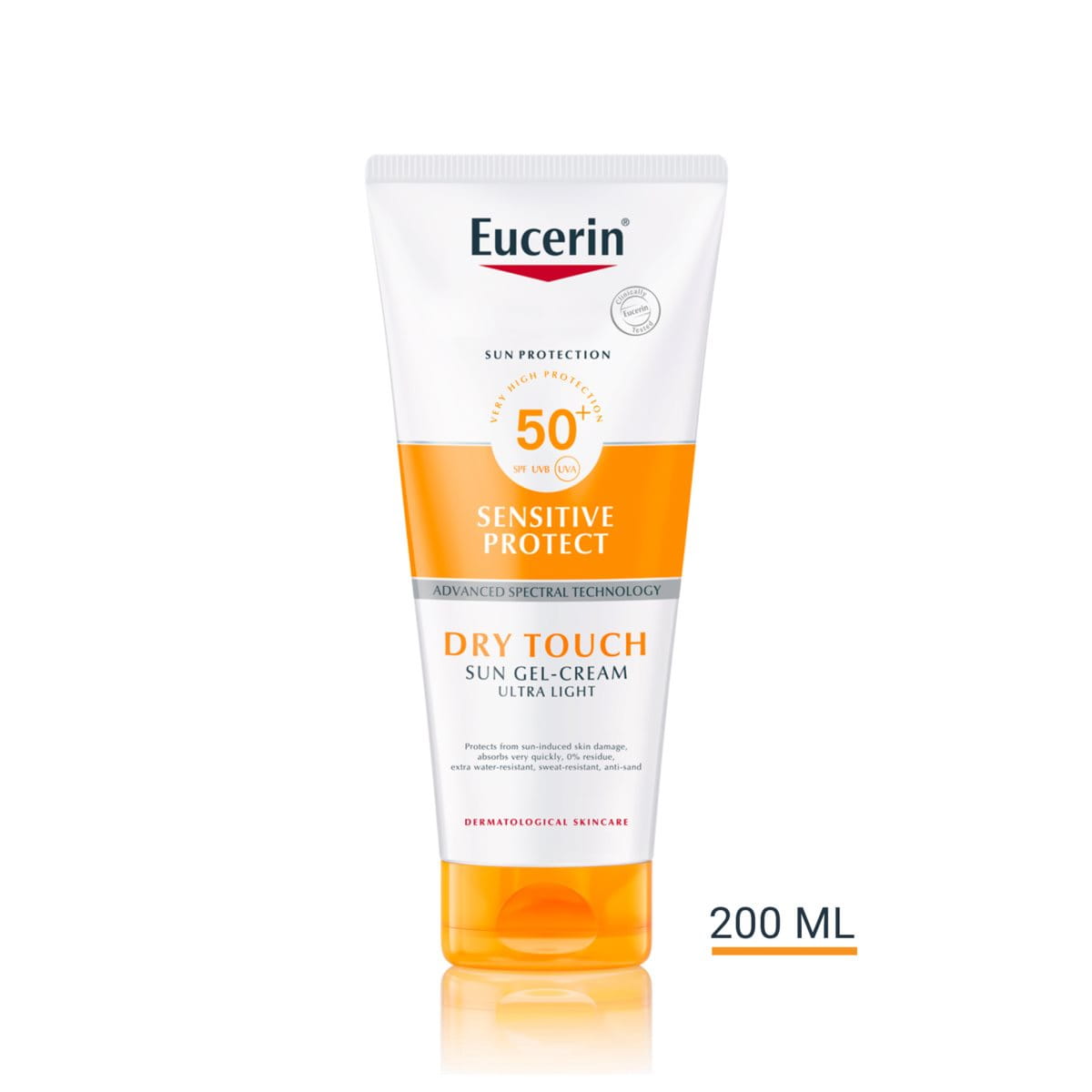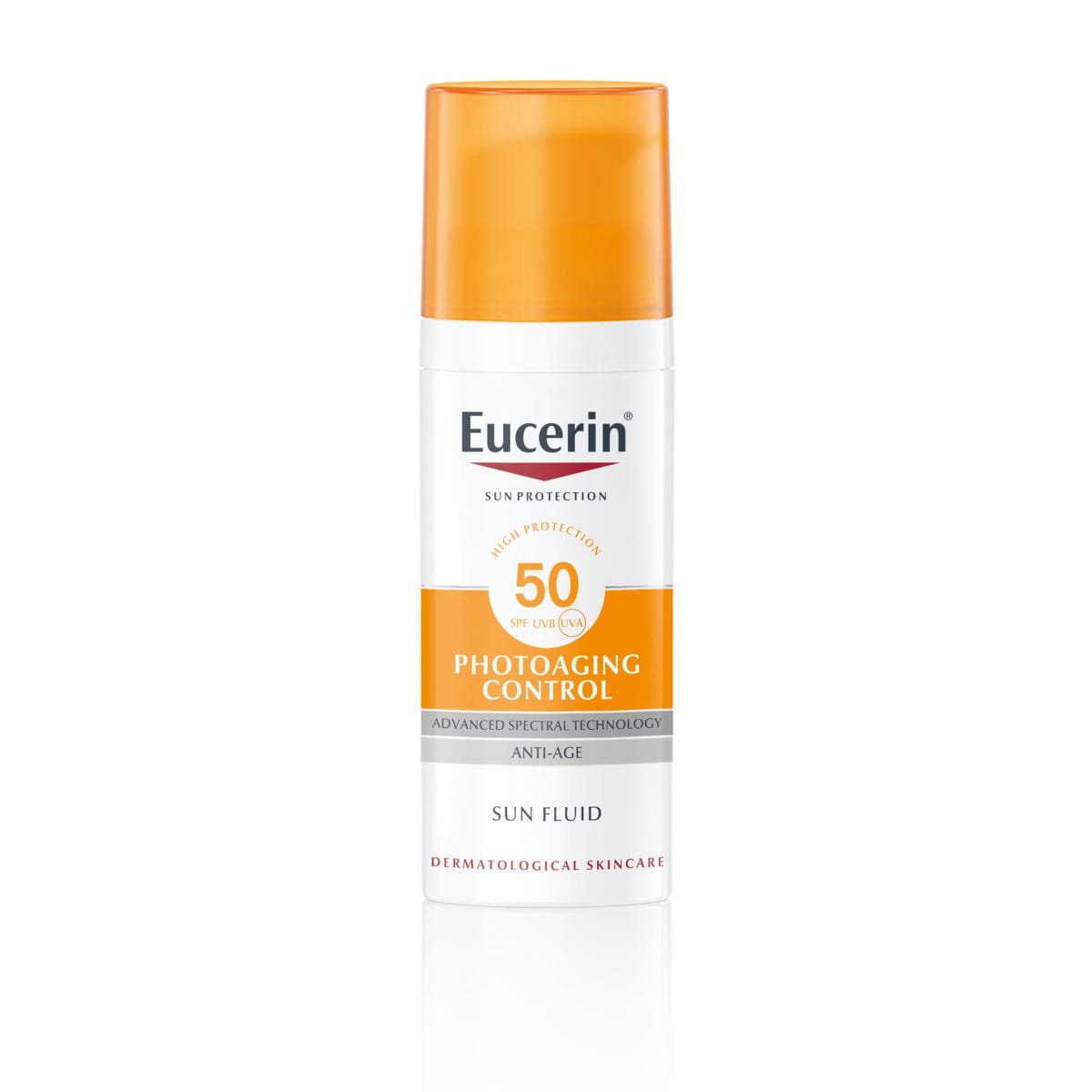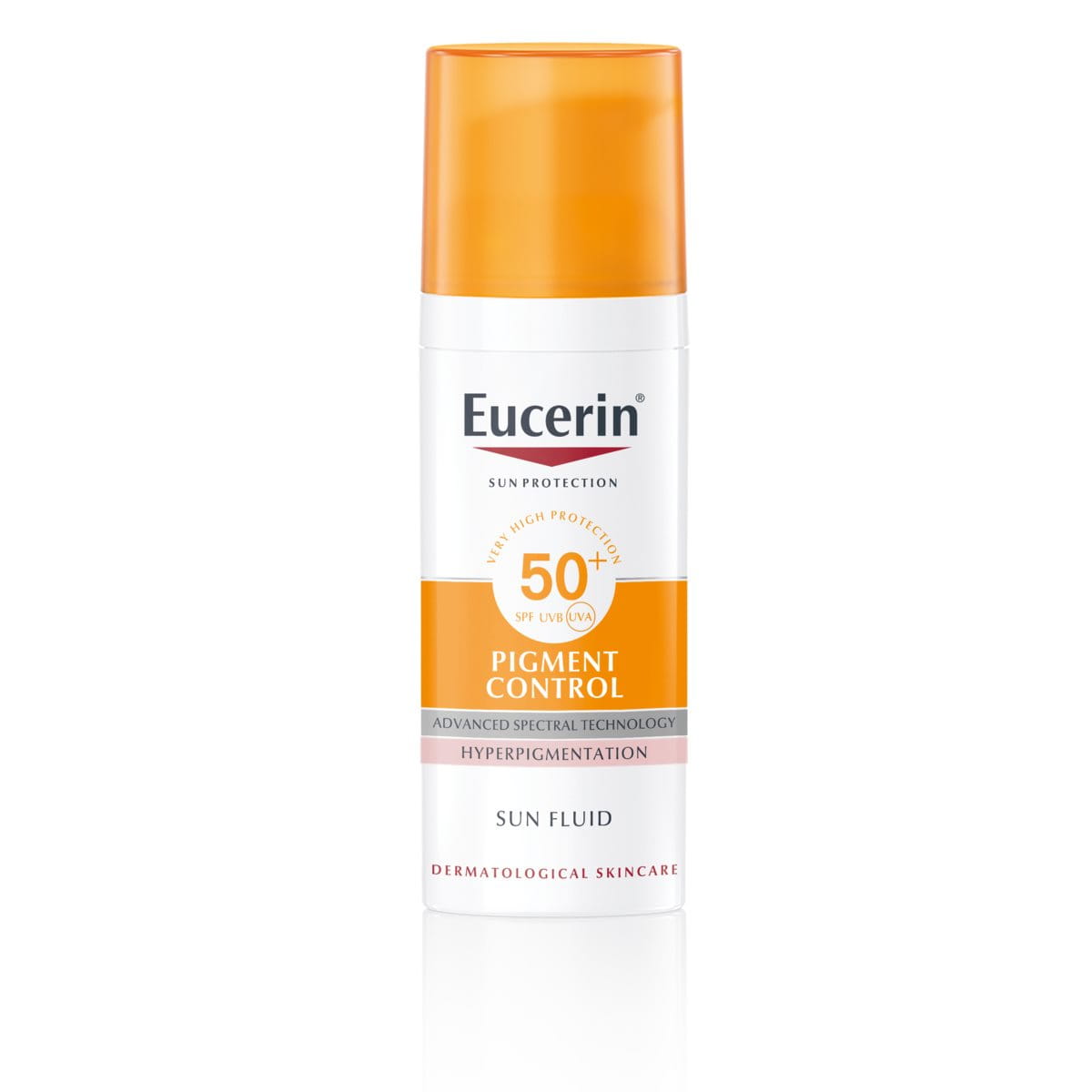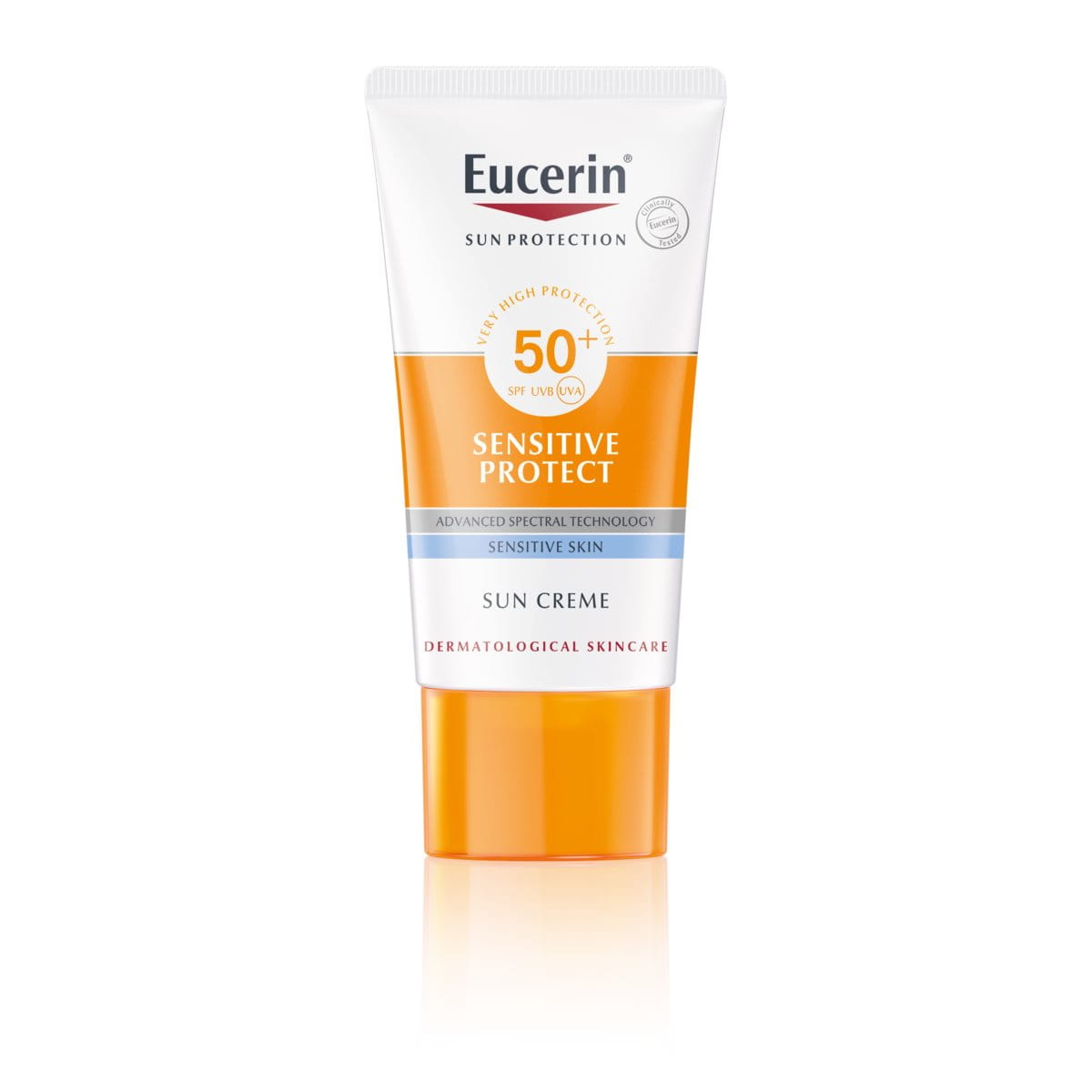

Color Code

Why you should wear sunscreen everyday

8 min read
Show more

Published: July 2022

Last Reviewed: December 2025

Most of us know the sun can damage our skin, yet many people only use sunscreen in summer or on holiday. UV rays are present year-round, even in the UK, and can age and damage skin on cloudy or colder days.

This article explains why daily sunscreen is essential, how UVA and UVB rays affect your skin, and how to apply SPF correctly as part of your morning routine.


Why sunscreen is important

While it's important to get enough vitamin D from sunlight, you should always protect yourself from UVA and UVB rays. UV-induced DNA damage is a main cause of actinic keratosis and its progression into non-melanoma skin cancer.

Here are some useful facts about UV (which stands for ultraviolet radiation):

Even when the weather is overcast, up to 80% of the sun's rays are still being absorbed by your skin.
UV light has shorter wavelengths than visible light, and while you can’t see UV, your skin can feel it.
UVA has a longer wavelength and is associated with skin ageing.
UVB has a shorter wavelength and is associated with skin burning.
80% of visible ageing is caused by UV

What are UVA & UVB rays?

UVA radiation weakens the skin's immune mechanisms and responses, contributing to the development of skin cancer. UVB causes direct damage to skin cells, showing up as sunburn, thus resulting in DNA damage. Eventually, those cells can become cancerous, so UVB rays are particularly harmful to our skin.

“The impact of UVA damage isn't visible on the skin, meaning we may not be aware of its full impact until years later.”
UVA light is present all-year round, even damaging our skin when it's cloudy, and it can penetrate through glass. UVB is present at higher levels during the summer months.

Should you wear sunscreen every day?

A few minutes in the sun provides a healthy dose of vitamin D, but our skin is often exposed to several hours of UV rays. Sunscreen helps protect against photoageing, cellular DNA damage and hyperpigmentation, so you should wear sunscreen every day as part of your skincare routine and keep applying, even over your makeup. 

To prevent sunburn, reduce the risk of skin cancer, and decrease the likelihood of early skin ageing we recommend you wear sunscreen every day.
Close-up of a woman’s face showing wrinkles, illustrating premature skin ageing caused by UV overexposure.
Overexposure to UV rays is the main cause of premature skin ageing.

Years of sun damage can result in you looking much older than you are, but if you wear sunscreen every day, you can prevent signs of visible damage from appearing later in life.

Those with fairer skin have less melanin, which is a protective pigment, so they are more at risk of UV radiation throughout the year. Discover sunscreen tailored to each skin type in the Eucerin Sun range.

Do you put sunscreen on before or after a moisturiser?

Applying sunscreen should be considered as much a part of your daily routine as cleansing, moisturising and toning. If you're wondering whether to apply sunscreen before or after your moisturiser, SPF should be applied as the final step in your routine, before make-up.

Physical sunscreens are formulated with protective ingredients to create a barrier between your skin and the sun, so layering a sunscreen after moisturising helps block harmful UV rays.

Several Eucerin day creams include a sun protection factor, for example Eucerin Hyaluron-Filler Day SPF 30. Your skin may require a higher SPF, which can be used in addition to, or instead of, your usual SPF day cream.

The appropriate level of protection for your facial skin

Close-up of a woman with pale skin, illustrating higher susceptibility to sun damage.
People with pale skin are particularly prone to sun-damage.

Sunscreens are available in four different levels of protection:

  • Low (factor 6 to 10)
  • Medium (15 to 25)
  • High (30 to 50) and very high (50+)

The higher the protection factor, the better your skin is protected. To help you choose the right sun protection for your face, consider following tips:

  • When to use a high SPF: Always use a high or very high SPF on facial skin if you are taking medication that increases your skin’s sensitivity to the sun (such as certain acne medication) or have recently had a chemical peel or laser treatment on your face, you try to avoid direct exposure to the sun and wear a very high SPF
  • Choose an SPF that suits your skin’s needs: For example, pale skin or skin that is particularly sensitive to the sun benefits from very high sun protection.
  • Consider the intensity and length of time in the sun: The sun is at its strongest during the summer months, at high altitudes and when you are closest to the equator.
The Eucerin sun protection range includes a comprehensive selection of face products that offer high and very high levels of sun protection. 

What is the correct amount of product for my face?

Woman applying a facial mask, illustrating how chemical peels can increase skin’s sensitivity to sunlight.
Chemical peels can increase skin’s sensitivity to the sun’s rays.
As a general guide, a thick line of product that stretches from the tip of your middle finger to your wrist is normally enough to cover your face, neck and décolleté. If you are also using your facial product to protect the backs of your hands, you may want to use a little bit more.

And, of course, if you are spending time in the sun, it’s important that you reapply your facial sun protection regularly and thoroughly, especially after swimming and towelling.

Learn more about how much sunscreen to use on your face here.

Facial sun protection that’s tailored to your skin type, condition and concerns

Skin benefits from sun protection products that are specially formulated to address its specific needs.

Oily and/or blemish-prone skin

Look out for lighter-textured products and ensure they’re ‘non-comedogenic’ (which means they don’t contain ingredients that might block pores and trigger blemishes). In addition to superior sun protection. Eucerin Oil Control Sun Gel-Cream Dry Touch SPF50+ offers sebum-regulating Oil Control Technology with L-Carnitine to help improve your skin condition. The ultra-light gel-cream leaves skin with a dry matte texture and a long-lasting (up to 8h) anti-shine effect.

Premature ageing

The sun is responsible for 90% of premature skin ageing1. All Eucerin Sun face products protect skin from photoageing but, if signs of ageing are your primary skin concern, try Eucerin Photoageing Control Sun Fluid SPF 50 or SPF 30. The formula includes short and long-chain Hyaluronic Acid to plump up winkles and visibly reduce signs of skin ageing. If you prefer a tinted product, try Eucerin Sun Pigment Control Tinted Light SPF50+, which also contains coloured pigments to instantly unify the complexion.

Dry and atopic skin

Skin with atopic dermatitis is very sensitive and benefits from sun protection that meets its needs. Eucerin Sensitive Protect Face Sun Cream SPF50+ is clinically and dermatologically proven to gives dry and atopic skin the soothing, effective protection it needs.

Sun allergies

Whilst more common elsewhere on the body, some people experience Polymorphous Light Eruption (PLE) on the face. Eucerin Sun Allergy Protect Gel-Cream SPF 50+ contains Alpha-Glucosylrutin, which helps to prevent sun-induced allergies and can be used on both the face and body.

Related Products

Woman with sunburn on the back of her neck and shoulders, illustrating areas that are easy to miss when applying sunscreen.
Areas such as the back of the neck are easy to miss.
Apply sun protection in the morning after, or instead of, your regular day care product. Be sure not to miss your ears, the back of your neck and, if you’re bald or have thinning hair, your scalp. Take care to avoid your eyes.

With Eucerin sun protection products, your skin will be instantly protected, so no waiting time is required, and you can follow with make-up straight away if desired.

Sunscreen tailored to your skin

Woman holding a tube of Eucerin sun cream, illustrating SPF products tailored to different skin types.
Find Eucerin sun cream tailored to your skin type.

As explained, you should wear sunscreen every day, even if your skincare or make-up includes SPF. Eucerin Sun products offer comprehensive protection against sun-induced skin damage.

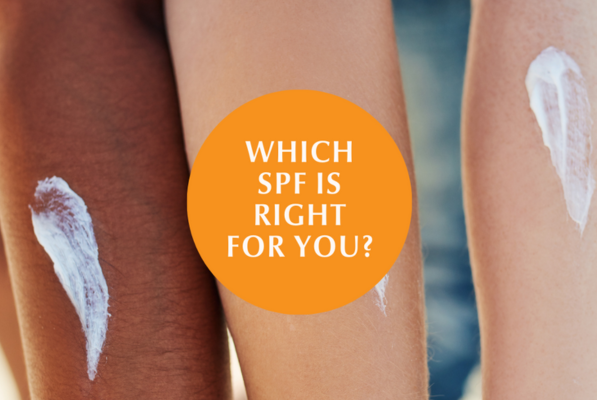
Our superior range is formulated with Advanced Spectral Technology and is tailored to individual skin conditions. The range features colour-coded labels to help you find the right SPF for your skin needs.

Summary

Wearing sunscreen every day is essential for protecting your skin from the harmful effects of UVA and UVB rays, which can cause sunburn, premature ageing and DNA damage that may lead to skin cancer. Even brief daily exposure, whether outdoors, near windows or in the car, can have cumulative effects, making daily protection a vital part of any skincare routine.

Choosing the right SPF and formulation for your skin type, condition and lifestyle helps maximise protection while keeping your skin comfortable and healthy. Apply sunscreen as the final step in your morning routine, use an adequate amount and reapply as needed. With tailored products like the Eucerin sun protection range, you can maintain healthy, radiant skin while minimising the long-term effects of sun damage.

FAQ

  • Should you wear sunscreen indoors?

    Yes. UVA rays can penetrate windows, so if you spend long periods near windows or in a car, sunscreen helps protect against ageing and skin damage.

Source

1. 2 Ramos-e-Silva et al., ‘Anti-aging cosmetics: Facts and controversies’. Clin Dermatol. 2013 Nov-Dec; 31(6): 750-8

Related Articles

Find your nearest Eucerin pharmacy