

Woman smiling while she looks into the camera

Skin Microbiome: What It Is and How to Support It

Show more

Last Reviewed: July, 2026

The skin microbiome is the community of microorganisms that naturally live on the skin's surface and is an important part of skin health. As research into the skin microbiome continues to evolve, scientists are gaining a better understanding of its role in maintaining healthy-looking skin1. In this guide, we explain what the skin microbiome is, what can affect it, and how simple, consistent skincare habits can help support healthy-looking skin.

What is the skin microbiome?

Present on everyone's skin, the skin microbiome varies from person to person and is influenced by factors such as age, environment and the area of the body. It works alongside the skin barrier to help maintain healthy-looking skin2, but the two differ: the microbiome refers to the microorganisms living on the skin1, while the skin barrier is the outer layer of the skin that helps protect it from external influences and reduce moisture loss3.

What are the signs of an unbalanced skin microbiome?

Image of a woman touching her face while she looks into the camera
An unbalanced skin microbiome can cause a range of skin issues

There is no simple way to determine whether your skin microbiome is unbalanced. However, changes in your skin’s appearance or how it feels may indicate that it needs additional support. These changes can have a range of different causes and do not necessarily mean that the skin microbiome has been disrupted.

Signs that your skin may benefit from additional support include:

  • Dryness or tightness: Skin may feel dry, tight or less comfortable than usual.
  • Increased sensitivity: Skin may become more reactive to certain skincare products or environmental factors.
  • Blemish-prone skin: Changes in the skin microbiome may be associated with blemish-prone skin.
  • Changes in skin appearance: Skin may appear less healthy-looking or feel less balanced overall1.

These signs can be influenced by a range of factors, from your skincare routine to environmental exposure. Understanding what can affect the skin microbiome can help you make skincare choices that support your skin's natural balance.

There is no simple way to measure the skin microbiome at home, but changes in your skin’s appearance or comfort may suggest that it could benefit from additional support.

What can affect the skin microbiome?

Many everyday factors can influence the skin microbiome, including skincare habits, environmental exposure and certain skin conditions. Understanding these factors can help you make informed choices about your skincare routine.

Over-cleansing and harsh skincare

image of a man washing his face
Make sure you are using skincare products that are suitable for your skin

Cleansing is an essential part of caring for your skin. However, cleansing too frequently, using harsh products or overusing active ingredients may affect the skin's microbiome and barrier function1.

Factors that can influence the skin microbiome include:

  • Washing the skin more often than needed
  • Using harsh cleansing products
  • Overuse of active ingredients
  • Excessive exfoliation

Choosing gentle skincare products and maintaining a consistent routine can help support the skin’s natural balance.

Environmental and lifestyle factors

Your skin is exposed to environmental influences every day, which can affect how it looks and feels over time. While these factors cannot always be avoided, suitable skincare can help care for skin exposed to everyday stressors.

Factors that can influence the skin include:

  • UV exposure: Sun exposure can contribute to visible changes in the skin over time1.
  • Pollution: Environmental pollutants may affect the skin's surface4.
  • Weather changes: Changes in temperature and humidity can influence how skin feels3.
  • Lifestyle factors: Daily habits, including stress, may also influence overall skin health1.

Using skincare that's suitable for your skin type alongside daily sun protection can help support healthier-looking skin.

Skin conditions

Some skin concerns, including blemish-prone skin and atopic dermatitis, may be associated with changes in the skin microbiome. Research into this relationship is ongoing, helping scientists better understand the role of the skin microbiome in overall skin health5.

How can you support the skin microbiome?

Supporting the skin microbiome starts with a consistent skincare routine that helps maintain your skin's natural balance. Simple everyday habits, such as choosing suitable skincare and avoiding unnecessary disruption, can help care for your skin over time.

Cleanse gently

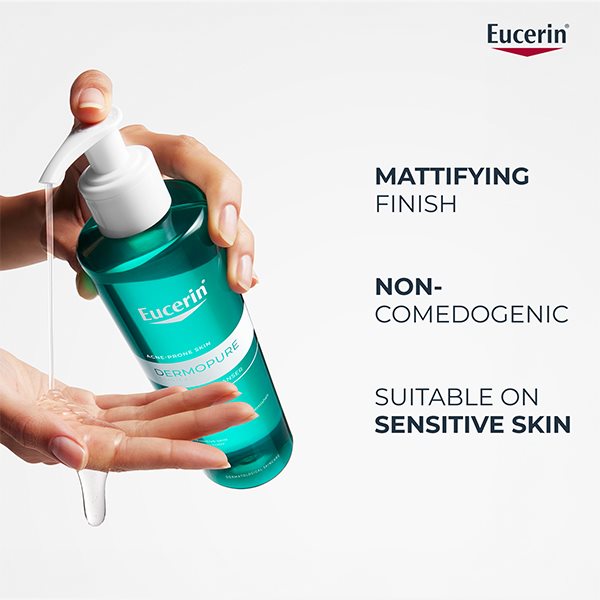
infographic showing product benefits of Eucerin DermoPure Clinical Purifying Cleanser
Gentle skin cleansers will help prevent the skin microbiome becoming unbalanced.

Cleansing removes excess sebum, impurities and other build-up from the skin's surface. Choosing a gentle cleanser that's suitable for your skin type can help cleanse the skin effectively without leaving it feeling dry or uncomfortable.

To help support your skin microbiome:

  • Choose a cleanser suitable for your skin type.
  • Avoid over-cleansing.
  • Look for products that leave your skin feeling comfortable after cleansing.

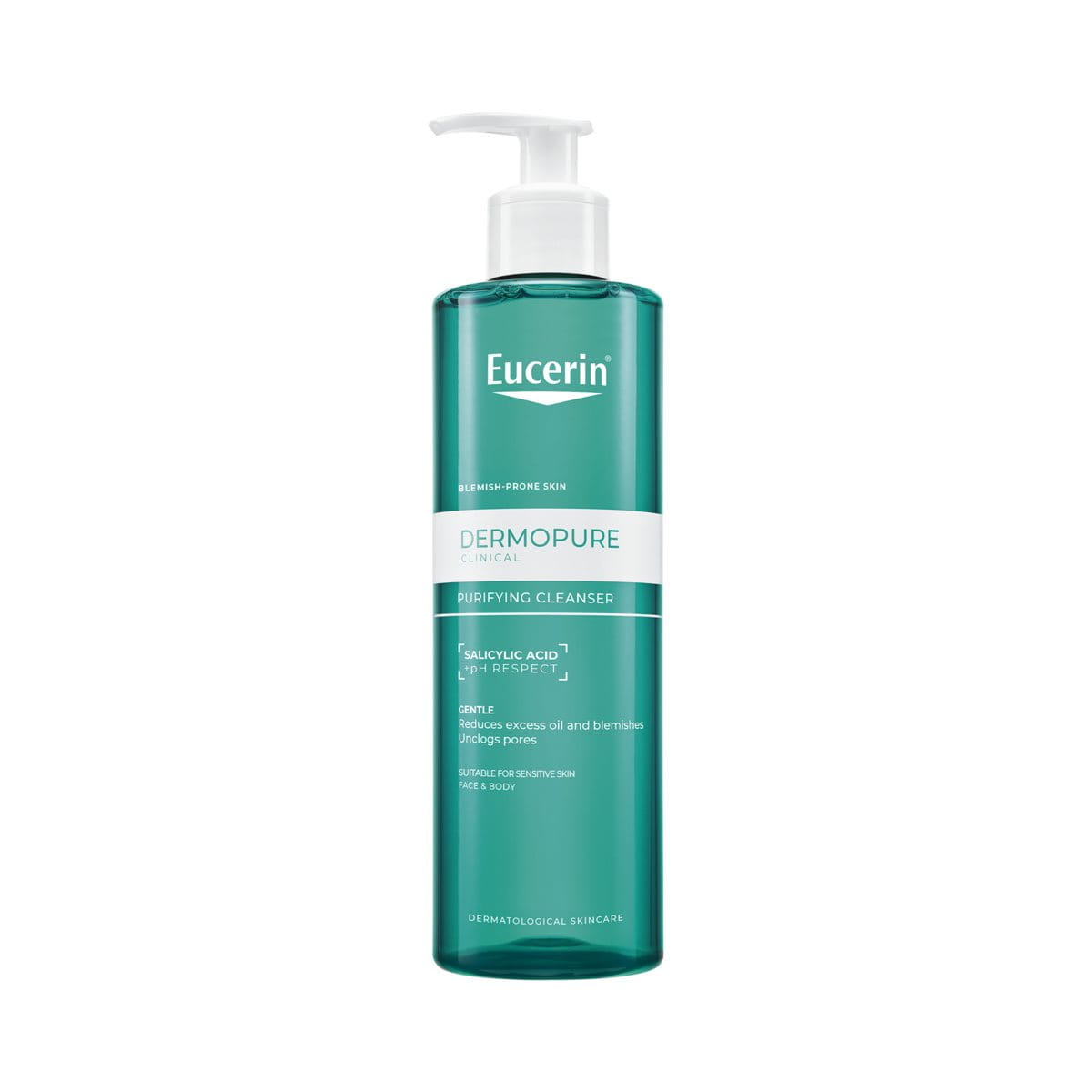
For blemish-prone skin, Eucerin DERMOPURE Clinical Purifying Cleanser with Salicylic Acid gently cleanses the skin while helping to remove dead skin cells and reduce clogged pores.

Keep your skin moisturised

Moisturising is an important step in helping maintain moisture balance and comfort. Ingredients such as Glycerin and Hyaluronic Acid are commonly used in skincare formulations to help support hydration, while barrier-supporting ingredients such as6 Ceramides can help care for the skin’s natural barrier7. Applying a moisturiser that’s suitable for your skin type can help keep skin hydrated, comfortable and cared for as part of your daily skincare routine.

Avoid over-exfoliation

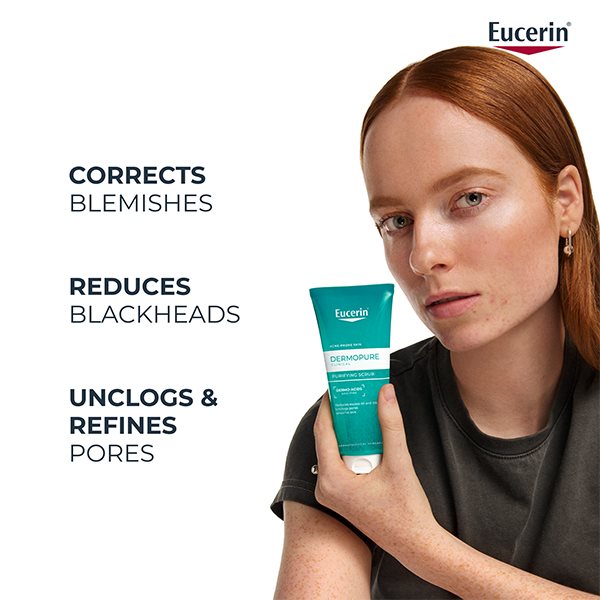
infographic showing product highlights of Eucerin Dermopure Clinical Purifying Scrub
Caring for your skin microbiome means using a gentle exfoliant

Exfoliation can help improve the appearance of skin texture by removing dead skin cells. However, exfoliating too often or combining multiple exfoliating products may leave skin feeling dry or uncomfortable8.

When exfoliating:

  • Follow the product instructions carefully.
  • Introduce active ingredients gradually.
  • Avoid using multiple exfoliating products at the same time.

For blemish-prone skin, Eucerin Dermopure Clinical Purifying Scrub is a fragrance-free physical and chemical exfoliator recommended by dermatologists. Formulated with Glycolic Acid, Lactic Acid (AHAs), Gluconolactone (PHA) and bio-based soft beads, it is clinically proven to help reduce excess oil and blemishes, unclog pores and gently refine skin texture without drying out the skin.

Supporting the skin microbiome starts with a simple, consistent skincare routine that helps maintain your skin's natural balance over time.

How do you rebalance the skin microbiome?

There is no instant way to "reset" the skin microbiome. Instead, supporting its natural balance involves following a consistent skincare routine that suits your skin's needs over time. Gentle cleansing, regular moisturising, avoiding over-exfoliation and protecting your skin from everyday environmental stressors can all help support healthy-looking skin. Researchers are also continuing to explore microbiome-focused skincare, including probiotic skincare, to better understand how it may support different skin concerns1.

How does the skin microbiome vary across the body?

The skin microbiome is present across the entire body1, but it varies depending on factors such as the area of skin, environment and individual skin needs. While facial and body skin share the same overall microbiome concept, different areas of the body can have different requirements. Body skin, for example, may be exposed to factors such as frequent washing, friction and environmental stressors, which can affect how it looks and feels.

The Eucerin pH5 range includes gentle cleansing and moisturising products, such as shower gels, shower oils, body lotions and gel creams, formulated for sensitive skin to help support the skin barrier as part of a daily body care routine.

Supporting your skin microbiome: Key takeaways

Supporting the skin microbiome involves maintaining simple, consistent skincare habits that work with your skin’s natural balance. The skin microbiome and skin barrier play different but connected roles in supporting skin health, and factors such as cleansing habits, environmental exposure and certain skin conditions can influence them.

FAQs about the skin microbiome (8)

  • What is the skin microbiome?

    The skin microbiome is the community of microorganisms that naturally live on the skin’s surface. It works alongside the skin barrier to help support healthy-looking skin, although the two perform different roles.

  • How can I improve my skin microbiome?

    You can support your skin microbiome by maintaining a consistent skincare routine that suits your skin’s needs. Gentle cleansing, regular moisturising, avoiding unnecessary disruption such as over-exfoliation and choosing suitable products can help care for your skin’s natural balance over time.

  • How do you know if your skin microbiome is unbalanced?

    There is no simple way to measure the skin microbiome at home. However, changes such as dryness, tightness, increased sensitivity or blemish-prone skin may suggest that your skin could benefit from additional support. These changes can have many different causes and do not necessarily mean that the skin microbiome is unbalanced.

  • What can affect the skin microbiome?

    Many everyday factors can influence the skin microbiome, including over-cleansing, harsh skincare products, excessive exfoliation, UV exposure, pollution, weather changes and lifestyle factors such as stress. Maintaining a suitable skincare routine can help support your skin’s natural balance despite these everyday influences.

  • What damages the skin microbiome?

    The skin microbiome can be affected by factors such as over-cleansing, harsh skincare products, excessive exfoliation and environmental exposure. These factors do not necessarily mean the skin microbiome is damaged, but they may affect the skin’s natural balance. Choosing gentle skincare products and following a consistent routine can help support healthy-looking skin.
  • Can skincare products support the skin microbiome?

    Yes. Gentle skincare products that are suitable for your skin type can help support the skin’s natural balance as part of a consistent skincare routine. Researchers are also continuing to explore microbiome-focused skincare, including probiotic skincare, to better understand how these approaches may support different skin concerns.

  • What is probiotic skincare?

    Probiotic skincare refers to products that use probiotic ingredients or probiotic-derived technologies designed to support the skin microbiome. As research continues to evolve, probiotic skincare is becoming an area of growing interest within dermatology.

  • Can men use microbiome skincare?

    Yes. Microbiome skincare can be suitable for men as part of a consistent skincare routine. The skin microbiome is unique to each person and can be influenced by factors such as skin type, cleansing habits and environmental exposure. Choosing products suited to individual skin needs can help support the skin’s natural balance.

Related Articles

Sources

  1. Byrd, A. L.; Belkaid, Y.; Segre, J. A. The Human Skin Microbiome. Nature Reviews Microbiology 2018, 16 (16), 143–155. https://doi.org/10.1038/nrmicro.2017.157
  2. Li, Z.; Zhang, J.; Zhang, Y.; Chen, H.; Bao, Y. Skin Microbiome in Health and Disease: Mechanisms and Emerging Therapeutic Strategies. Clinical Cosmetic and Investigational Dermatology 2025, Volume 18, 3443–3455. https://doi.org/10.2147/ccid.s571984
  3. Elias, P. M. Skin Barrier Function. Current Allergy and Asthma Reports 2008, 8 (4), 299–305. https://doi.org/10.1007/s11882-008-0048-0
  4. Skowron, K.; Bauza-Kaszewska, J.; Kraszewska, Z.; Wiktorczyk-Kapischke, N.; Grudlewska-Buda, K.; Kwiecińska-Piróg, J.; Wałecka-Zacharska, E.; Radtke, L.; Gospodarek-Komkowska, E. Human Skin Microbiome: Impact of Intrinsic and Extrinsic Factors on Skin Microbiota. Microorganisms 2021, 9 (3), 543. https://doi.org/10.3390/microorganisms9030543
  5. Dréno, B.; Pécastaings, S.; Corvec, S.; Veraldi, S.; Khammari, A.; Roques, C. Cutibacterium Acnes (Propionibacterium Acnes ) and Acne Vulgaris: A Brief Look at the Latest Updates. Journal of the European Academy of Dermatology and Venereology 2018, 32 (S2), 5–14. https://doi.org/10.1111/jdv.15043
  6. Papakonstantinou, E.; Roth, M.; Karakiulakis, G. Hyaluronic Acid: A Key Molecule in Skin Aging. Dermato-Endocrinology 2012, 4 (3), 253–258. https://doi.org/10.4161/derm.21923
  7. Coderch, L.; López, O.; de la Maza, A.; Parra, J. L. Ceramides and Skin Function. American Journal of Clinical Dermatology 2003, 4 (2), 107–129. https://doi.org/10.2165/00128071-200304020-00004
  8. Are You Over-Exfoliating? How to Tell & Reverse the Damage; 2019. https://www.healthline.com/health/beauty-skin-care/over-exfoliating

Find your nearest Eucerin pharmacy