
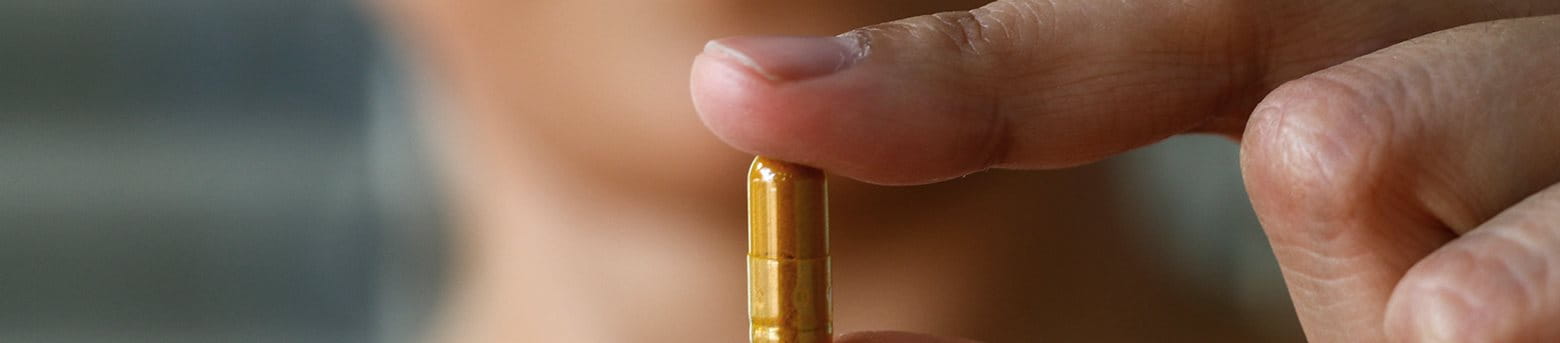
There is a wide range of acne medication options available, from topical treatments for mild symptoms to drugs of varying strengths for more severe cases. The right medicine, when used according to prescription, can help reduce blemishes and decrease the risk of permanent damage to skin.
This article outlines the most common acne medications, including their potential side effects, and explains what you can do to help alleviate them. It also briefly covers approaches for mild acne that may not require medication, so you can support your skin in a holistic way.

Signs & symptoms of blemish-prone skin
Before deciding which non-medicinal treatment to use, it’s important to identify the symptoms that are causing concern. Treatments for blemishes and mild to moderate blemish-prone skin tend to address one or more of the four issues that contribute to the condition.
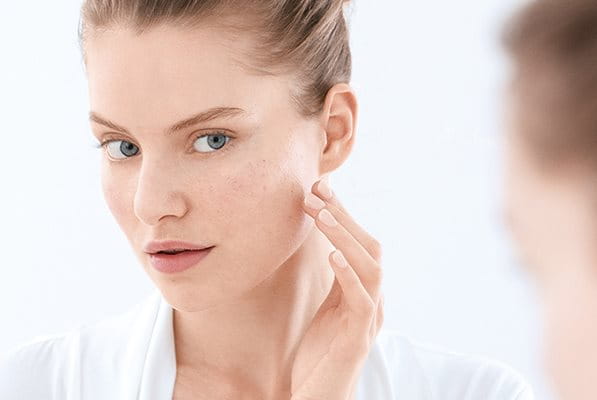
It is also important to differentiate between impure, blemish-prone, and hypersensitive skin reactions, including pimples or rosacea. The papules and pustules that appear in the hypersensitive disorder rosacea, for example, are similar in appearance to acne, but there are no blocked pores, the skin is more likely to be dry than greasy, and rosacea spots don't leave scars.
Major causes and triggers of blemishes and blemish-prone skin
Impure, blemish-prone skin is a common condition that often begins in puberty, when rising androgen levels stimulate the sebaceous glands to produce excess sebum (seborrhea), disrupting normal skin shedding. When too much sebum combines with insufficiently shed dead skin cells, they can accumulate in the hair follicle to form a soft plug that either causes the follicle wall to bulge into a whitehead or remains open and darkens into a blackhead.
Key contributors include:
- Hormonal fluctuations - not only in adolescence but also during pregnancy, menstruation, or hormone-related conditions.
- Bacterial overgrowth - excess sebum creates an environment where normally harmless acne bacteria multiply and inflame follicles.
- Genetic predisposition - individuals with a family history of acne are more likely to develop blemish-prone skin.
How do I know if medical treatment is the right option for my skin?

After a close examination of your skin, your doctor or dermatologist (a doctor specialising in skin) will be able to advise on which treatment is best for you and most likely to address the causes and symptoms of your acne. You can read more about what causes acne here.
Medical professionals generally agree that, in moderate to severe cases of acne, the timely use of drugs can help to prevent symptoms from worsening and reduce the risk of scarring. Your doctor will be able to advise on and prescribe the most appropriate acne treatment for you and your skin.
What prescription acne medication options are there?

The following list outlines the most commonly prescribed medication for acne, how each one works, and the possible side effects to be aware of:
- Benzoyl Peroxide
If your acne is mild to moderate your doctor may well recommend Benzoyl Peroxide in the first instance. It comes as a cream or a gel which you apply to your affected skin and, in many countries, is available without a prescription. - Topical retinoids
As an alternative to Benzoyl Peroxide, your doctor may prescribe a topical retinoid. A topical product is a cream or gel that you apply to your affected skin. A retinoid is a retinol, or Vitamin A, derivative.
- Azelaic acid
Recommended when Benzoyl Peroxide and topical retinoids have not delivered results or if someone has experienced negative side effects using them. Also recommended for skin that is particularly sensitive to sunlight, as it does not exacerbate the condition. - Topical and oral antibiotics
These are only prescribed for use in combination with another medical acne treatment to prevent bacterial resistance, reduce the growth of P.acnes bacteria and help to prevent skin infections. Topical antibiotics are applied externally to the affected area, and oral antibiotics come in tablet or liquid form. You can find out more about P.acnes in the development of acne. - Combined oral contraceptive pill
Acne is directly related to fluctuations in our hormones and for women who experience hormone-related flare-ups, dermatologists may recommend certain oral contraceptives proven to be effective against acne. - Isotretinoin
For severe, stubborn, and persistent acne, the most common and effective medication is a drug called Isotretinoin. It is only prescribed when other medications have not worked.
Treating blemish-prone skin without medication
Prescription acne medications can be highly effective, but they can also cause temporary side effects such as dryness, irritation, or increased sun sensitivity. Using complementary skincare products and routines can help your skin tolerate treatment better and maximise results.
Gentle cleansing and non-comedogenic care
Maintaining a gentle and consistent cleansing routine is an essential part of supporting your acne treatment. Proper hygiene helps remove excess oil and impurities while reducing the risk of irritation or bacterial flare-ups.
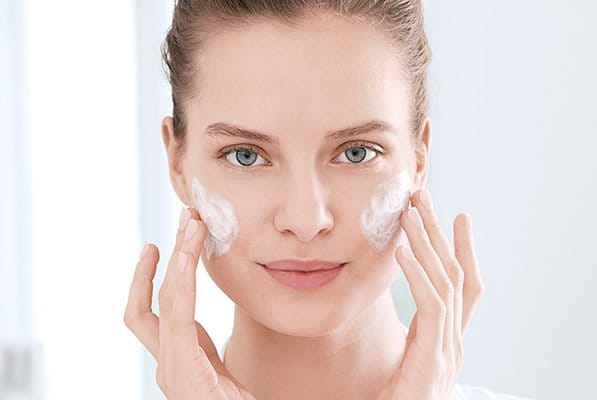
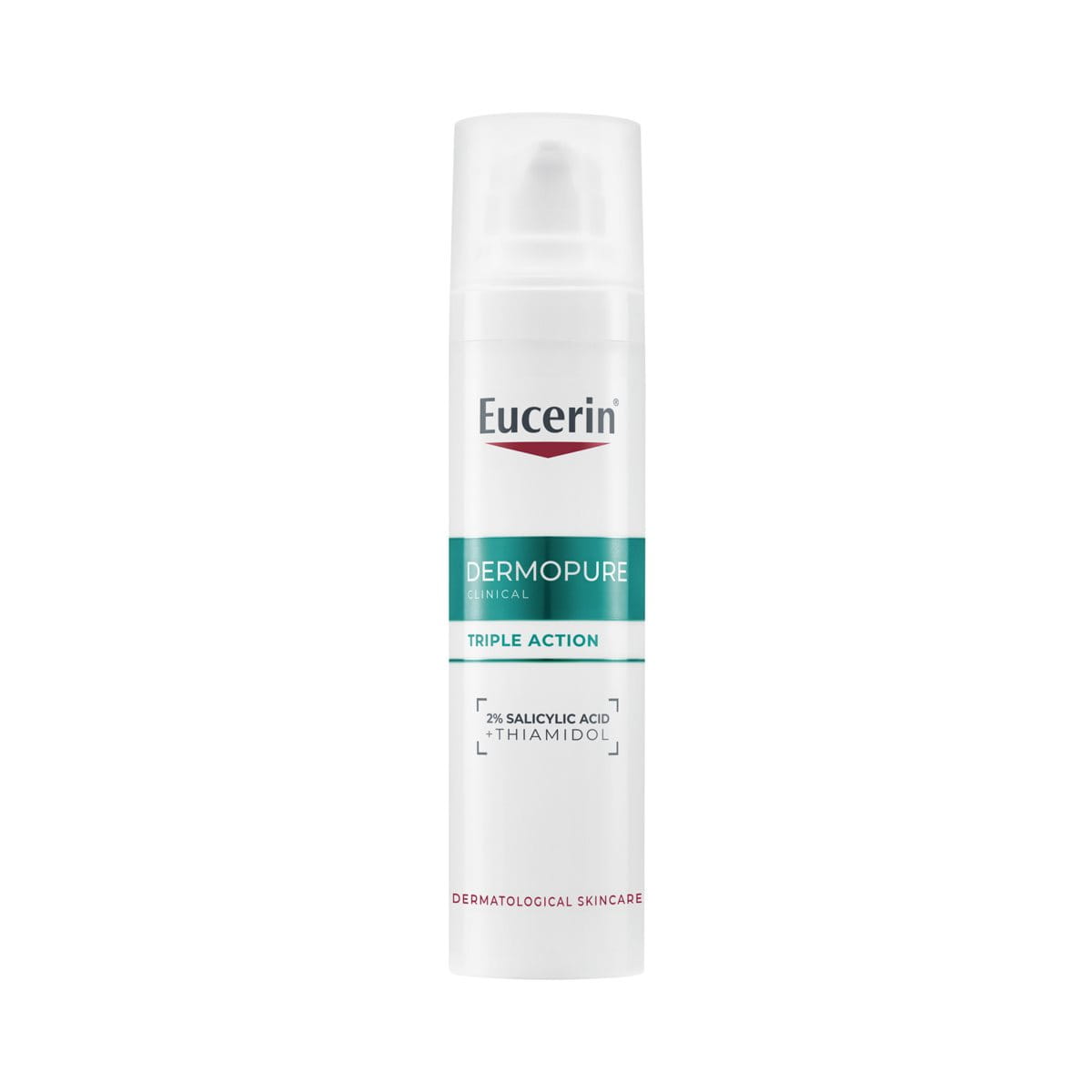
- Cleanse your skin regularly with a gentle, non-comedogenic cleanser, like Eucerin DERMOPURE Clinical Purifying Cleanser, to remove excess sebum, sweat, and makeup without aggravating acne.
- Avoid harsh scrubs or over-washing, which can worsen irritation.
- Keep hands, phones, towels, and pillowcases clean to minimise bacterial exposure.
Moisturisers and barrier support
Using the right moisturiser can help your skin stay comfortable and balanced. Choosing lightweight, non-greasy formulas ensures hydration without clogging pores or interfering with any acne treatment.
- Moisturisers specially formulated for blemish-prone skin can help counteract dryness and irritation caused by medication.
- Look for lightweight, non-greasy options such as Eucerin DERMOPURE CLINICAL Hydra Repair, which soothe and protect the skin without clogging pores.
Sun protection
Lifestyle habits that support clearer skin
Small lifestyle changes can go a long way in supporting clearer, healthier skin. A few simple habits can make a noticeable difference over time.
- Choose non-comedogenic makeup: If you use makeup to conceal blemishes, opt for non-comedogenic products to avoid clogging pores.
- Maintain healthy lifestyle choices: Eat a balanced diet, minimise exposure to smoke and pollution and engage in activities that promote emotional well-being.
- Avoid harsh home remedies: Home treatments like toothpaste or aspirin masks can irritate the skin and may worsen acne.
- Manage stress: Easier said than done, but stress can trigger hormonal changes that may worsen acne. Simple relaxation techniques or mindfulness practices can help support healthier skin.
When should I expect to see results?
Sadly, no acne medicine or skincare routine promises instant results and treatment needs to be applied or taken consistently for the recommended period of time.
What can I do to help alleviate the possible side effects?
As with any medication, there are potential side effects to taking medication for acne. Some of the most common side effects from using topical acne treatments are dry skin and itching, whereas antibiotic treatments can have more serious side effects such as causing an upset stomach or making you feel lightheaded.
Occasionally, symptoms can worsen in the short term as your body adapts to the treatment.
Caring for your skin during treatment
A regular skincare routine, using non-comedogenic cleansing and care products specially formulated for blemish-prone skin, will help to keep your skin healthy and complement your medication.
If you experience dry skin try a soothing moisturiser such as Eucerin DERMOPURE CLINICAL Hydra Repair. This intensely moisturising, non-greasy cream has been specially formulated to soothe skin undergoing medical acne treatment and to leave it feeling smooth and supple after the first application.
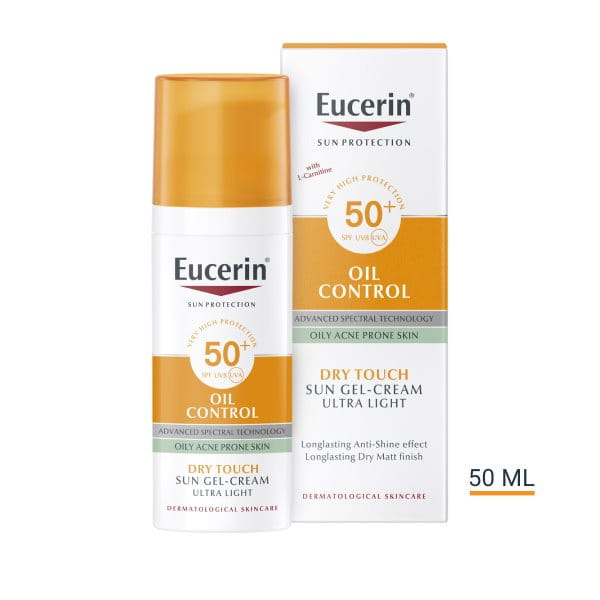
Many medical acne treatments make skin more sensitive to the sun, so it is especially important to use appropriate sun protection such as Eucerin Oil Control Sun Gel-Cream Dry Touch SPF50+.
Summary
Acne can affect people of all ages, with causes ranging from hormonal changes and genetics to excess sebum and bacterial growth. Prescription acne medications, such as benzoyl peroxide, topical retinoids, antibiotics, oral contraceptives, and isotretinoin, can effectively treat mild to severe cases and help prevent scarring.
It’s important to follow your doctor’s guidance, be patient with treatment, and use complementary skincare to minimise side effects. Gentle cleansing, non-comedogenic moisturisers, sun protection, and adjunctive dermo-cosmetic care can all support skin health and improve treatment outcomes. Mild acne may also benefit from non-medication approaches, including topical antibacterials, anti-inflammatory ingredients, and lifestyle measures, as part of a holistic skincare routine.
FAQs (6)
-
What medication for acne works best?
The best type of medication for acne depends on severity. Mild acne often improves with topical treatments like benzoyl peroxide or retinoids, while more persistent symptoms may need prescription options.
-
What is adult acne prescription medication?
Adult acne prescription medication includes topical retinoids, antibiotics, hormonal treatments and, for severe cases, oral isotretinoin. -
Does acne medication have side effects?
Yes. Acne medication can have side effects such as dryness, irritation, peeling, or increased sun sensitivity. Oral treatments may cause additional effects, so follow your doctor’s guidance. -
How long does acne medication take to work?
Most acne medications start showing results in 4-12 weeks, but some treatments may take longer depending on your skin and the type of medication prescribed. -
Can I use skincare products with acne medication?
Gentle cleansers, non-comedogenic moisturisers, and daily SPF help reduce irritation. Eucerin DERMOPURE Clinical Hydra Repair is dermatologist-recommended and clinically proven to support the skin barrier during use of drying acne treatments. -
Do I need medication for mild acne?
Not always. Mild acne can sometimes be managed without medication, using dermo-cosmetic products, but worsening or persistent symptoms should be assessed by a healthcare professional.
Our brand values
We deliver a holistic dermo-cosmetic approach to protect your skin, keep it healthy and radiant.
For over 100 years, we have dedicated ourselves to researching and innovating in the field of skin science. We believe in creating active ingredients and soothing formulas with high tolerability that work to help you live your life better each day.
We work together with leading dermatologist and pharmacist partners around the world to create innovative and effective skincare products they can trust and recommend.