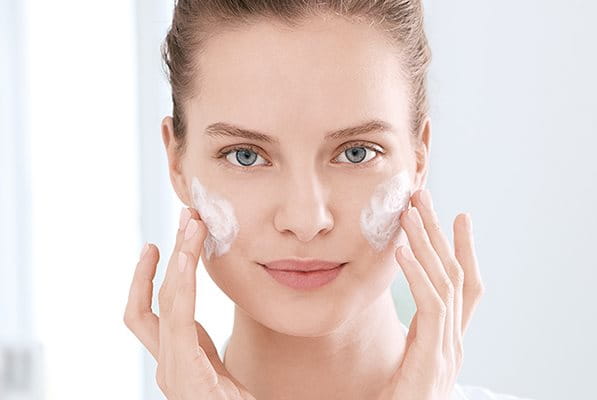


woman smiling as she looks into the camera while washing her face

Skin Cycling: What It Is and How to Build a Routine

Show more

Last Reviewed: July, 2026

Skin cycling has become a popular approach to skincare for those looking to build a more structured routine. By balancing active ingredient nights with recovery nights, it encourages a consistent approach that can be adapted to suit different skin types and skincare goals1. In this guide, we'll explain what skin cycling is, how the four-day routine works and how to choose effective products for each step.
What is skin cycling and how does it work?

Skin cycling is a skincare routine that alternates active ingredients with recovery nights1. Instead of using several potent ingredients on consecutive evenings, the routine spaces them out, allowing time for gentle, hydrating skincare between active ingredient nights. Although the four-day cycle is the best-known approach, it can be adapted depending on your skin type, skincare concerns and experience with active ingredients.

What is the 4-day skin cycling routine?

The traditional skin cycling routine follows a four-night schedule1, with each evening focusing on a different step. By alternating active ingredients with recovery nights, the routine creates a balanced approach that can be adjusted depending on your skin's needs and how well it tolerates active ingredients.

The 4-day skin cycling routine follows a simple pattern of using active ingredients on selected nights, followed by recovery nights focused on hydration and moisturising.

Night 1: Exfoliation

Infographic showing that Eucerin Dermopure Clinical Peeling 10 contains Salicylic Acid
Exfoliating the skin can help maintain a radiant appearance

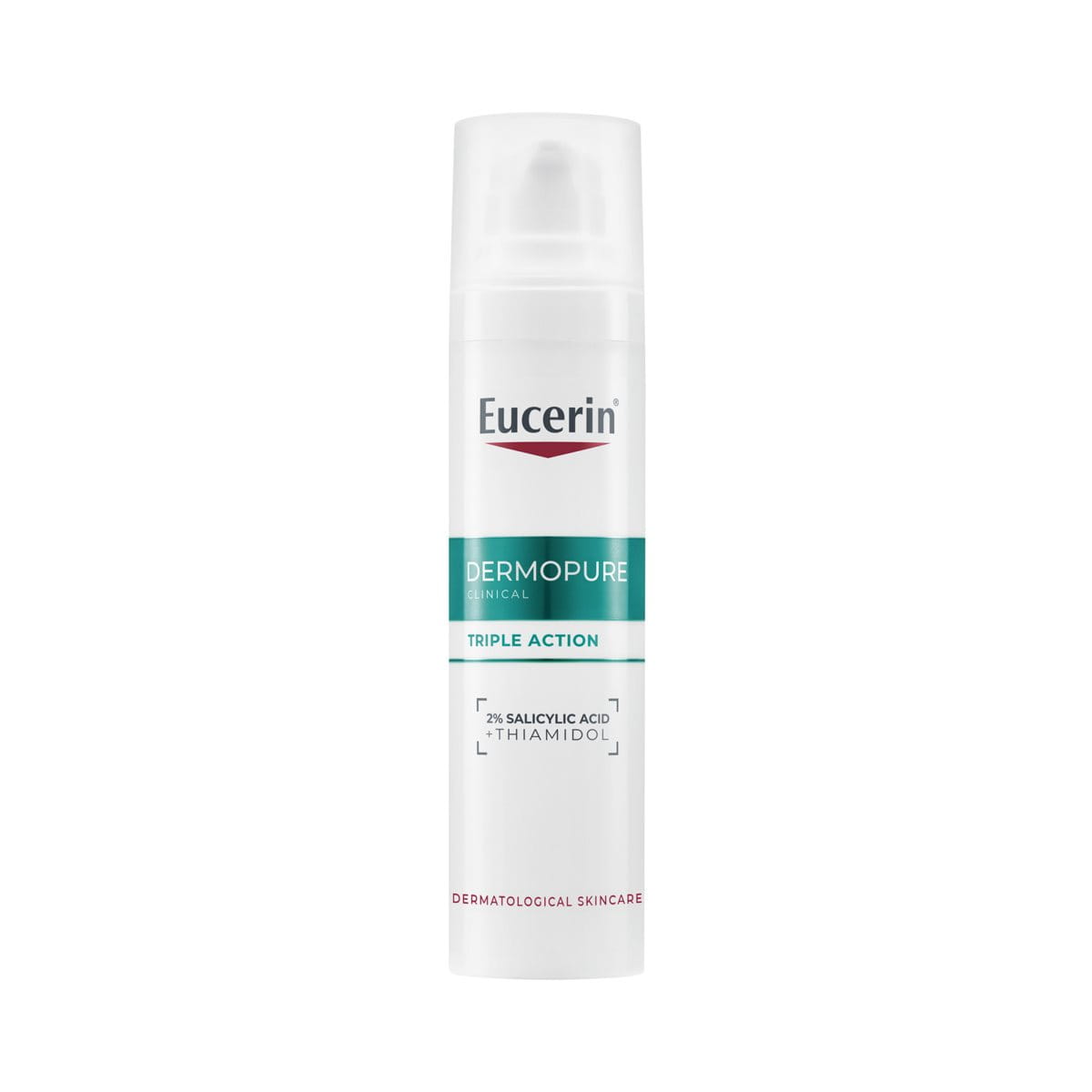
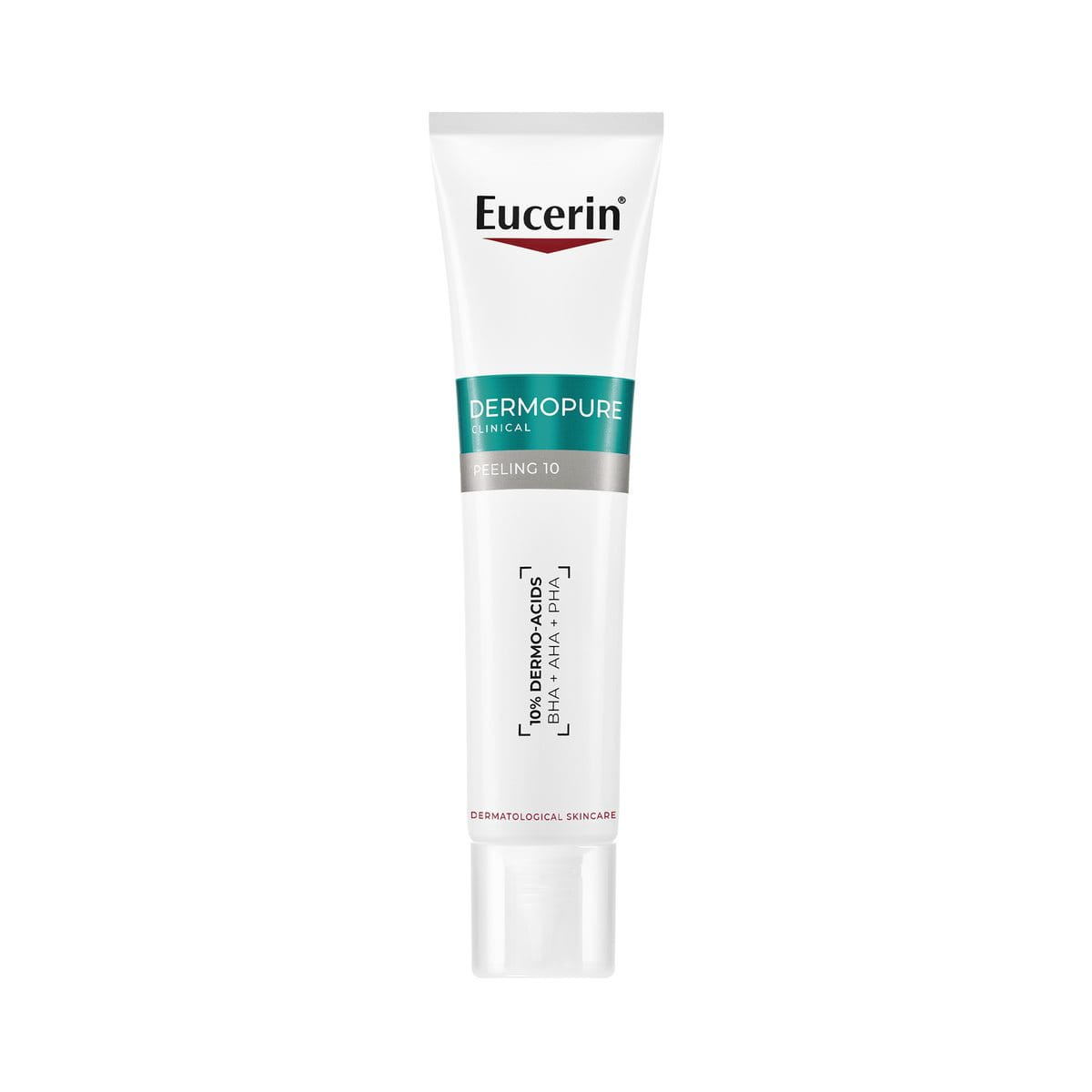
The first evening of skin cycling focuses on exfoliation to help remove dead skin cells from the skin's surface2. Chemical exfoliants containing ingredients such as Alpha Hydroxy Acids (AHAs) or Beta Hydroxy Acids (BHAs) are commonly used, although the most suitable product will depend on your skin type and tolerance. For oily or blemish-prone skin, Eucerin Dermopure Clinical Peeling 10 combines AHA, BHA and PHA to exfoliate the skin and help improve the appearance of skin texture. Introduce exfoliating products gradually, follow the product instructions carefully and always finish with a moisturiser to help maintain hydration.


Night 2: Apply a targeted active ingredient

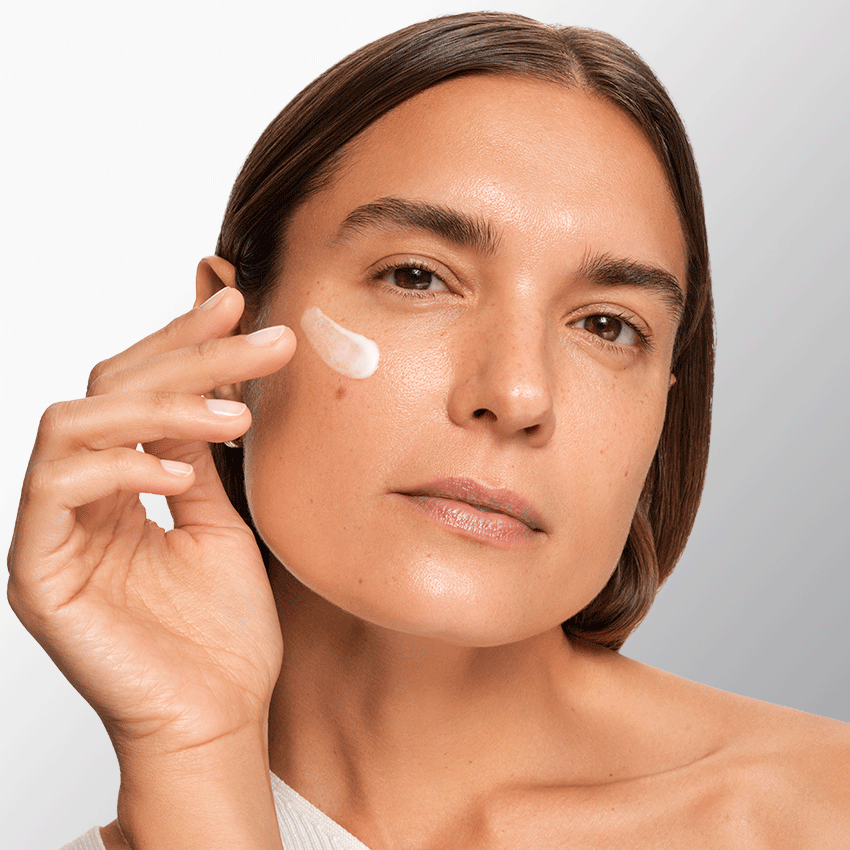
Woman applying serum to her face
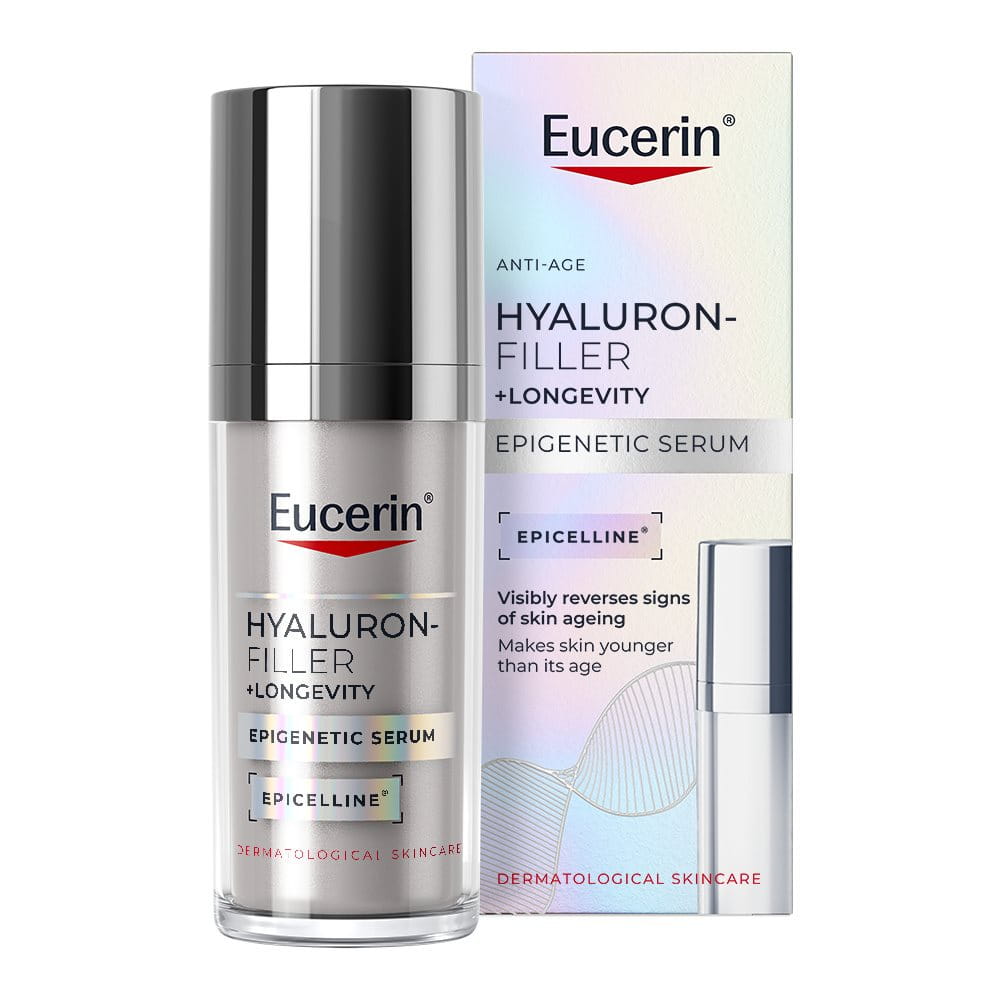
Eucerin Hyaluron-Filler + Longevity Epigenetic Serum is clinically tested to reduce the appearance of visible signs of ageing.

The second evening is dedicated to a targeted skincare ingredient. Retinoids or retinol are commonly included in traditional skin cycling routines, but the most suitable active ingredient depends on your skin's individual needs and concerns. Products containing Epicelline®, such as Eucerin Hyaluron-Filler + Longevity Epigenetic Serum, can also be incorporated into an evening skincare routine as a targeted skincare option. Whichever active ingredient you choose, introduce it gradually and avoid adding several new products at the same time so you can better understand how your skin responds.

Nights 3 and 4: Recovery and hydration

The final two evenings focus on gentle skincare that helps maintain hydration and support the skin barrier. A simple routine of cleansing and moisturising allows your skin to recover before the next active ingredient night1. A gentle cleanser, such as those in the Eucerin DermatoClean range, can help remove daily impurities without leaving skin feeling stripped, while a moisturiser suited to your skin type can help maintain skin comfort.

What are the benefits of skin cycling?

By creating a set structure for when to use active ingredients and when to focus on hydration, skin cycling can help make a skincare routine feel more manageable. While results vary from person to person, this approach can support a consistent routine that balances targeted skincare with gentle, barrier-supporting care.

  • May simplify your routine: Following a set cycle can make it easier to decide which products to use each evening and avoid combining active ingredients that are not typically recommended together.
  • May support skin comfort: Building in recovery nights with gentle cleansing and moisturising may help maintain hydration and support the skin barrier while introducing active ingredients.
  • Encourages consistent skincare habits: Skin cycling combines active ingredients with everyday skincare essentials, including cleansing, moisturising and daily sun protection, helping you build a routine that is easier to maintain over time.
A consistent skin cycling routine can help make introducing active ingredients feel more manageable while supporting skin comfort.

How to start a skin cycling routine

If you're new to skin cycling, keep your routine simple and introduce products gradually. Choosing skincare that suits your skin's needs and building your routine over time can help make skin cycling easier to maintain.

Step 1: Cleanse with a gentle cleanser

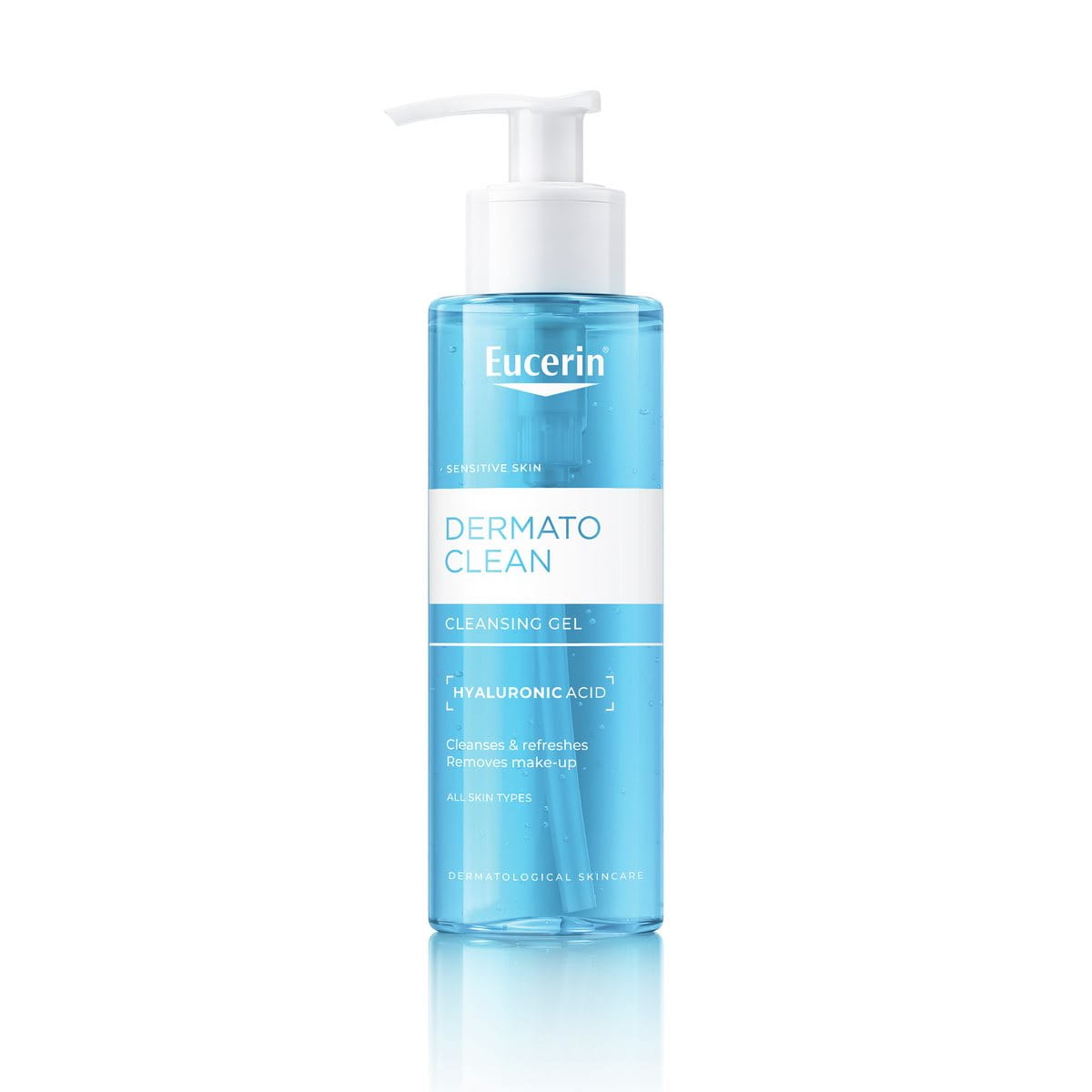
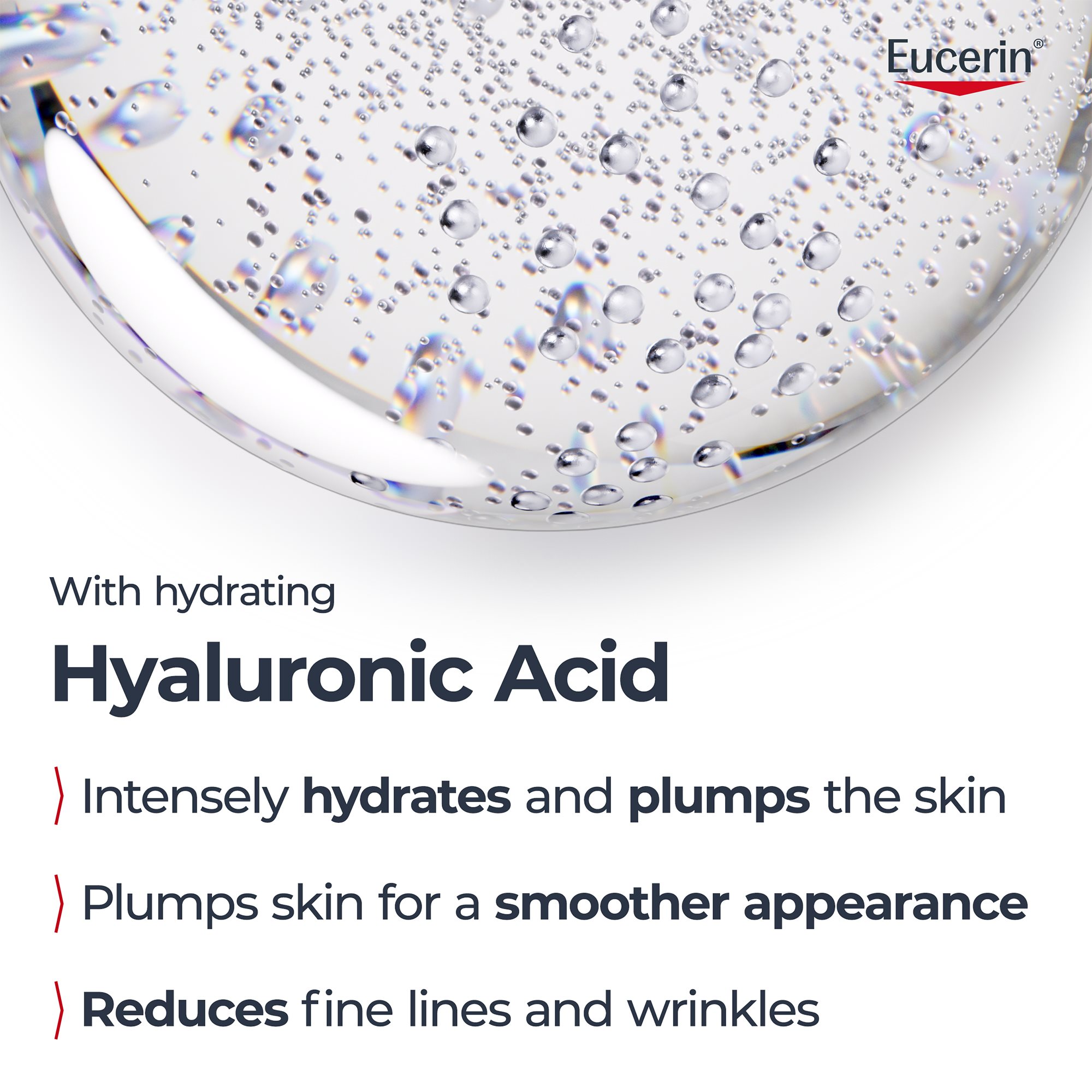
Infographic showing benefits of Eucerin DermatoClean Cleansing Gel
Eucerin DermatoClean Cleansing Gel is ideal for all skin types

Begin each evening by cleansing your skin to remove makeup, sunscreen and daily impurities. A gentle cleanser helps prepare your skin for the next steps without leaving it feeling dry or tight. Eucerin DermatoClean Cleansing Gel is formulated with Hyaluronic Acid and Gluco-Glycerol to gently cleanse the skin while removing excess sebum, impurities and makeup. It can be used on both active ingredient and recovery nights to help maintain the skin's natural balance.

Step 2: Introduce active ingredients gradually

Choose active ingredients that suit your skin concerns and level of experience, introducing one product at a time and following the product instructions carefully. While traditional skin cycling routines often include retinoids or retinol, other ingredients, such as Epicelline®, may also be incorporated into an evening skincare routine to address different skincare goals.

Step 3: Prioritise hydration

On recovery nights, focus on gentle cleansing and moisturising to help maintain hydration and support the skin barrier. Choose a moisturiser that suits your skin type, whether that's a richer formula for dry or sensitive skin or a lightweight, non-comedogenic moisturiser for oily or blemish-prone skin. Keeping your routine simple between active ingredient nights can help maintain skin comfort.

Protect your skin during the day

Although skin cycling focuses on your evening skincare routine, daily sun protection is an essential part of your overall skincare regimen. Apply a broad-spectrum sunscreen every morning, particularly when using active ingredients that may increase your skin's sensitivity to UV exposure.

How long does it take to see results from skin cycling?

The time it takes to notice visible changes from skin cycling varies depending on your skin type, the products you use and how consistently you follow your routine. Rather than expecting immediate results, focus on maintaining a routine that suits your skin's needs over time. Following product instructions, supporting hydration and adapting your routine if you experience discomfort can help create a balanced and consistent skincare approach.

Is skin cycling suitable for everyone?

Skin cycling can be adapted to suit different skin types and skincare goals3, but the most suitable routine depends on your skin's individual needs and how well it tolerates active ingredients.

Who may benefit from skin cycling?

Skin cycling may be suitable for people who are new to active ingredients or looking for a more structured skincare routine. By alternating active ingredient nights with recovery nights, some people may find it easier to build consistent skincare habits while maintaining skin comfort.

Can skin cycling cause purging or irritation?

Some active ingredients commonly used in skin cycling, such as exfoliating acids and retinoids, may cause temporary dryness, tightness or irritation when first introduced4. Some people may also experience skin purging, where existing blemishes become more noticeable after introducing certain active ingredients. However, not every breakout is skin purging, and persistent or worsening irritation should be assessed. Introducing products carefully, following the product instructions carefully and avoiding the use of multiple potent active ingredients in the same routine may help support skin comfort. If you are unsure which products are suitable for your skin, a dermatologist can provide personalised advice.

Skin cycling is not a one-size-fits-all approach and should be adapted to your skin type, concerns and how your skin responds to skincare products.

Building a balanced skin cycling routine: Key takeaways

A successful skin cycling routine is one that suits your skin type, skincare goals and level of experience with active ingredients3. While the traditional four-night cycle provides a helpful framework, it can be adapted to fit your individual needs. Choosing appropriate skincare products, introducing active ingredients carefully and maintaining hydration and daily sun protection can help you build a routine that is balanced, consistent and easy to maintain over time.

FAQs about skin cycling (9)

  • Does skin cycling work?

    Skin cycling may help create a more structured skincare routine by alternating active ingredients with recovery nights. Results vary depending on your skin type, the products you use and how consistently you follow your routine.

  • Do dermatologists recommend skin cycling?

    Skin cycling may be suitable for some people because it encourages the gradual introduction of active ingredients and includes recovery nights. The most appropriate routine depends on your skin type, concerns and how well your skin tolerates active ingredients.

  • Can I skin cycle every day?

    Yes. Skin cycling is designed to be followed as part of a daily skincare routine, with different products used on different evenings rather than applying active ingredients every night.

  • Is skin cycling three days or four days?

    The traditional skin cycling routine follows a four-night cycle: exfoliation, an active ingredient night, followed by two recovery nights. However, the cycle can be adapted depending on your skin’s needs and tolerance.

  • Is skin cycling the same as exfoliating?

    No. Exfoliation is only one part of a skin cycling routine. Skin cycling also includes targeted active ingredients and recovery nights focused on hydration and skin comfort.

  • What products are best for skin cycling?

    A skin cycling routine typically includes a gentle cleanser, a suitable active ingredient, a moisturiser and a broad-spectrum sunscreen. For example, Eucerin Hyaluron-Filler Epigenetic Serum, with Epicelline®, can be incorporated as a targeted active ingredient depending on your skincare goals.

  • Which ingredients should I avoid combining during skin cycling?

    Avoid introducing multiple potent active ingredients into the same routine unless advised otherwise. Introduce new products gradually and follow the usage instructions provided with each product.

  • Can beginners try skin cycling?

    Yes. Skin cycling may be suitable for beginners because it encourages the gradual introduction of active ingredients while including recovery nights focused on hydration and skin comfort.

  • Can skin cycling cause purging?

    Some active ingredients used in skin cycling may cause temporary irritation or skin purging when first introduced. However, not every breakout is skin purging, and persistent irritation should be assessed.

Related Articles

Citations

  1. The Healthline Editorial Team. What Is Skin Cycling? Healthline. https://www.healthline.com/health/skin-cycling
  2. Salamon, M. Have you exfoliated lately? - Harvard Health. Harvard Health. https://www.health.harvard.edu/blog/have-you-exfoliated-lately-202405203042
  3. MD, S. M. A step-by-step guide on how to ‘skin cycle’. Osu.edu. https://health.osu.edu/health/skin-and-body/skin-cycling
  4. Mukherjee, S.; Date, A.; Patravale, V.; Korting, H. C.; Roeder, A.; Weindl, G. Retinoids in the Treatment of Skin Aging: An Overview of Clinical Efficacy and Safety. Clinical Interventions in Aging 2006, 1 (4), 327–348. https://doi.org/10.2147/ciia.2006.1.4.327

Find your nearest Eucerin pharmacy