

A woman holding Eucerin Sun Face Oil Control Daily UV Serum SPF 50+

Sunscreen for Oily Skin: Dermatologist-Recommended Protection With a Mattifying Effect

11 min read
Show more

Published: February 2026


It’s common for individuals with oily or acne-prone skin to hesitate when applying facial sunscreen, concerned it may feel heavy or worsen breakouts. However, daily sun protection is essential, as it helps prevent post-acne marks, hyperpigmentation, and premature ageing.  

Choosing the right sunscreen for oily skin is key. Look for formulas that provide broad-spectrum UVA and UVB protection while remaining lightweight, non-comedogenic, and mattifying. Dermatologically developed options such as Eucerin Sun Face Oil Control Daily UV Serum SPF 50+ and Eucerin Oil Control Sun Gel-Cream Dry Touch SPF50+ deliver effective protection with a long-lasting anti-shine effect. The serum also offers anti-pollution benefits, helping skin stay resilient against environmental stressors while maintaining a comfortable, matte finish.  

In this guide, we’ll explore what defines oily skin, why daily SPF is essential, and how to choose and apply the best sunscreens and routines for a balanced, matte complexion.

What is oily skin?

Close-up of oily skin with visible shine and enlarged pores on the T-zone (forehead, nose and chin)
Oily skin is characterised by excess sebum production, often visible as shine and enlarged pores across the T-zone.

Oily skin is characterised by elevated sebum production, which can lead to shine, enlarged pores, and a higher risk of blemishes, particularly in the T-zone (forehead, nose, and chin). Common signs include:  

  • Shine in the T-zone 
  • Enlarged pores 
  • Prone to blemishes 
  • Skin that may appear “greasy” despite proper cleansing 

Even though oily skin may feel naturally hydrated, it still requires sun protection and moisturisation. Using products formulated for oily skin, such as non-comedogenic sunscreens and lightweight serums, helps maintain skin balance and prevents post-acne marks or hyperpigmentation.  

Why daily SPF is essential for oily skin

UV radiation affects all skin types, but oily or acne-prone skin is particularly vulnerable because excess sebum and inflammation can make the skin more reactive. Without daily protection, UV exposure can worsen post-acne marks, dark spots, and uneven tone, and may contribute to premature ageing.  

Oily skin is also prone to barrier stress, meaning that inflammation or sensitivity can be exacerbated by sun exposure. Dermatologists recommend using SPF 30 or higher, with daily reapplication, even on cloudy days or during brief sun exposure. For oily skin, selecting a lightweight, non-comedogenic sunscreen ensures effective protection without aggravating shine or blemishes.  

Key risks of UV exposure for oily skin:  

Post-acne marks and hyperpigmentation: UV light can induce post-inflammatory hyperpigmentation and delay healing. 

Premature ageing: Sun damage accelerates fine lines and reduces skin elasticity.  

Skin barrier stress: Oily skin may already be inflamed or sensitised; UV exposure can exacerbate irritation.  

Daily SPF is not optional. Even oily skin benefits from high UVA/UVB protection to prevent long-term damage and maintain an even skin tone.

Why oily skin requires specialised sun protection

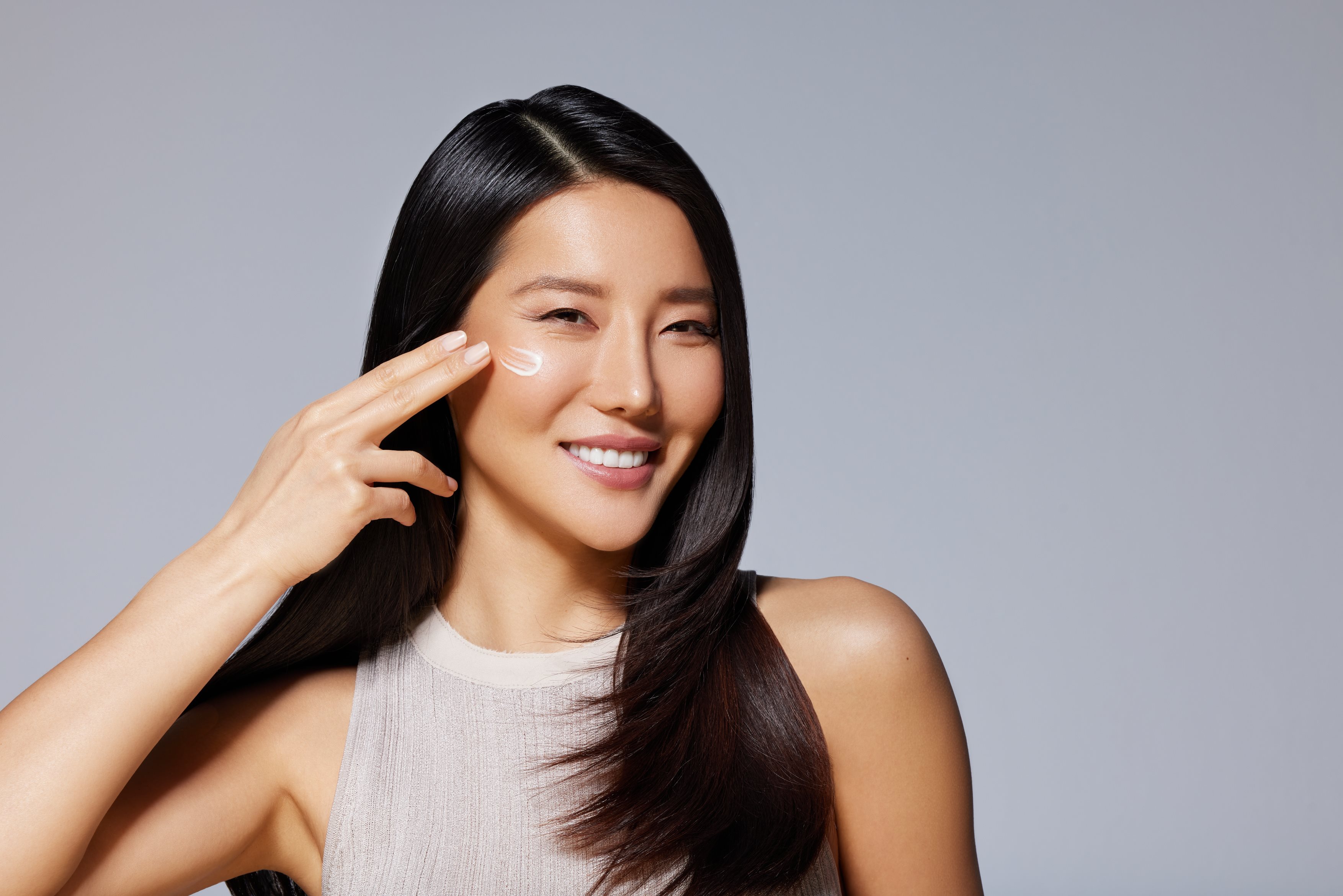
Lightweight sunscreen applied to oily skin before blending in, showing a non-greasy texture.
Lightweight, non-comedogenic sunscreen textures absorb comfortably into oily skin without clogging pores or increasing shine.
Not all sunscreens are suitable for oily or acne-prone skin. Heavy, occlusive, or greasy formulas can worsen shine, clog pores, and potentially trigger breakouts. They may also feel uncomfortable with makeup, discouraging consistent use.  

Oily skin produces more sebum and can be prone to inflammation, so selecting the right sunscreen is particularly important. The ideal product should protect skin from UV damage while maintaining comfort, controlling excess oil, and preventing blemishes. 
Key considerations for sunscreens formulated for oily skin:  

Non-comedogenic formulation: Prevents clogged pores and reduces breakouts.  
Lightweight or gel-cream texture: Absorbs comfortably without residue. 
Mattifying effect: Controls excess sebum throughout the day.  
Optimal water-based formula: Provides comfort in humid conditions and reduces shine. 
Choosing a sunscreen specifically designed for oily skin ensures effective UV protection, maintains comfort, and keeps a matte, balanced complexion.

How to choose the best sunscreen for oily skin

Dermatologists recommend considering three key factors when choosing a sunscreen for oily skin, because these help protect against UV damage, control shine, and maintain skin comfort:   

  1. Texture: Gel-creams, lightweight serums, or water-based formulas are ideal for oily skin, providing protection with a mattifying effect.  
  2. Sun protection: Choose broad-spectrum SPF 30-50+ to defend against both UVA and UVB radiation. 
  3. Ingredients: Non-comedogenic filters, mattifying particles, and oil-control agents like L-Carnitine help regulate sebum production while supporting overall skin health.  

Additional considerations include tinted or sheer formulas for light coverage without heaviness. 

The best sunscreen for oily skin balances high UV protection with a lightweight, non-greasy texture. 

SPF for acne-prone skin on your body

Acne-prone skin on the body, particularly the chest, shoulders, and back, also requires reliable daily sun protection. UV exposure can worsen post-acne marks and prolong visible pigmentation, making high, broad-spectrum protection essential.  

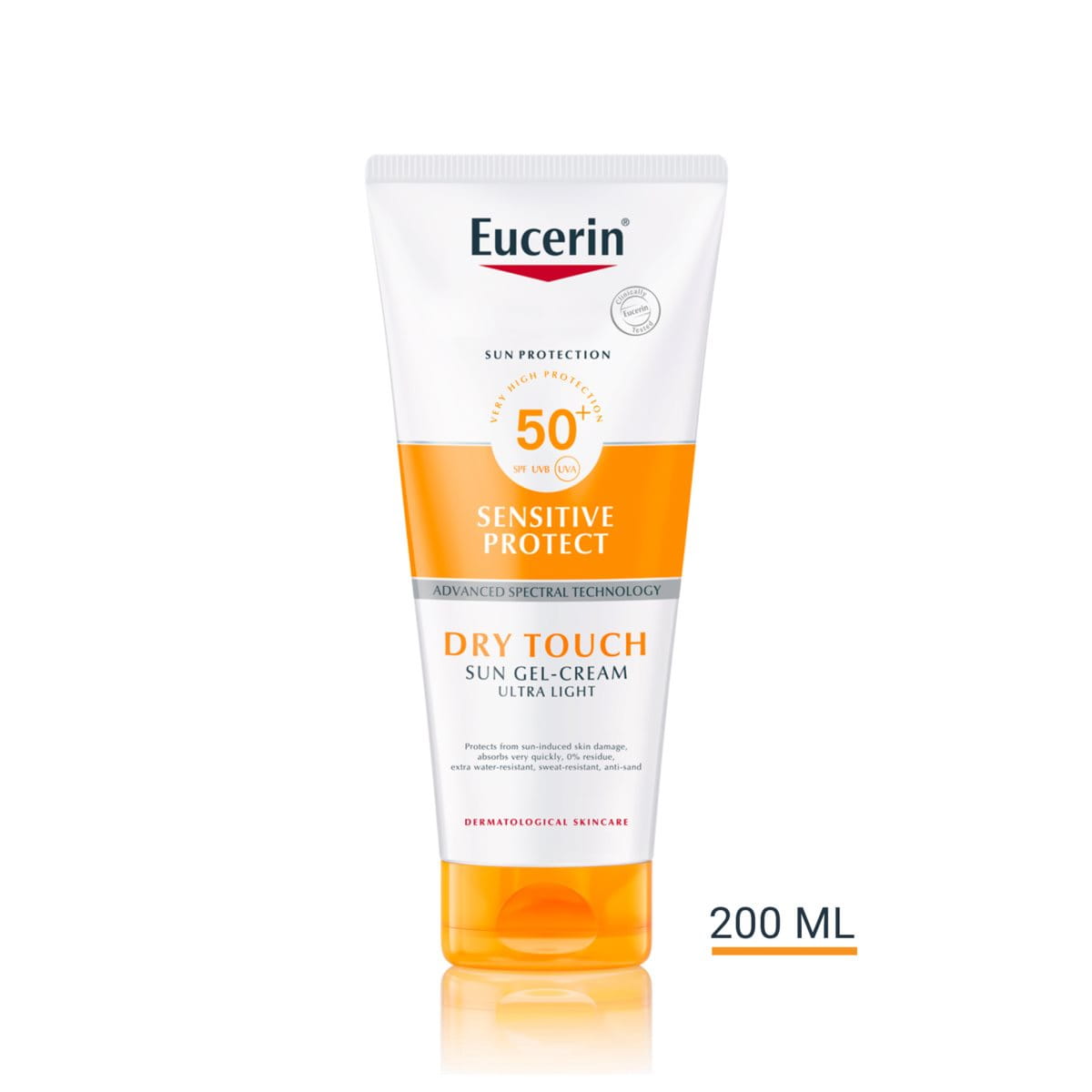
Eucerin Sun Gel-Cream Dry Touch Oil Control SPF 50+ is formulated for acne-prone skin on the body. Featuring Advanced Spectral Technology with UVA/UVB protection and HEVIS light defence, it helps protect against sun-induced skin damage while remaining lightweight and comfortable.
Powered by Eucerin's Advanced Spectral Technology, it features Oil Control technology with mattifying pigments that leave an immediate dry touch finish, making it clinically proven suitable for all skin types, including sensitive, oily and acne-prone skin. As pleasant to use as it is effective, this ultra-light gel cream absorbs quickly, leaving 0% residue for a truly invisible finish. Its formula includes Licochalcone A, a powerful anti-inflammatory and skin-soothing ingredient derived from Chinese licorice root, which works to neutralise free radicals and calm the skin so you get superior, all-round protection without compromise.

Dermatologist-recommended sunscreens for oily skin

Choosing the right sunscreen is key for oily or acne-prone skin. Dermatologically developed formulas provide high UVA/UVB protection while controlling shine and supporting skin health.

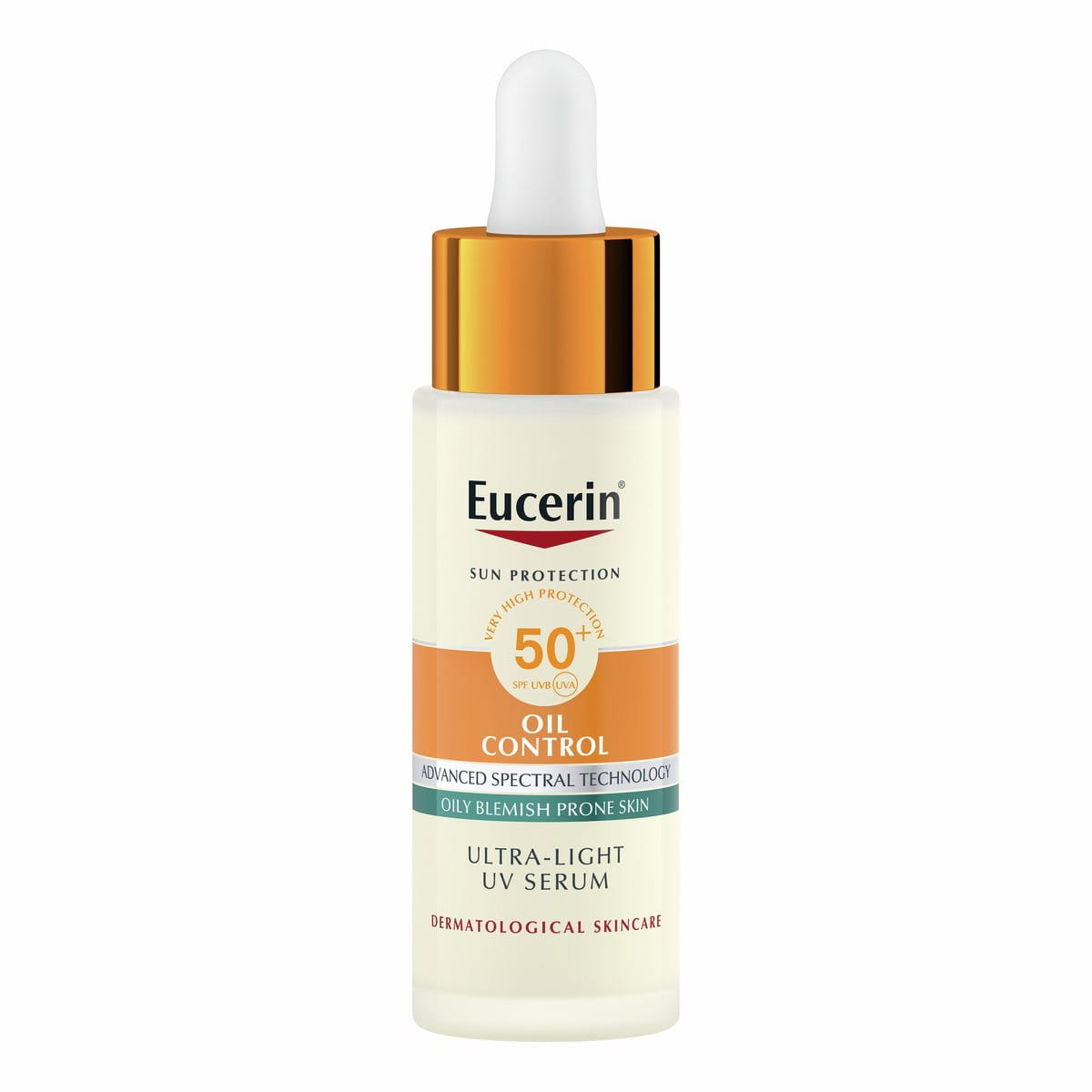
Eucerin Sun Oil Control Daily UV Serum SPF 50+

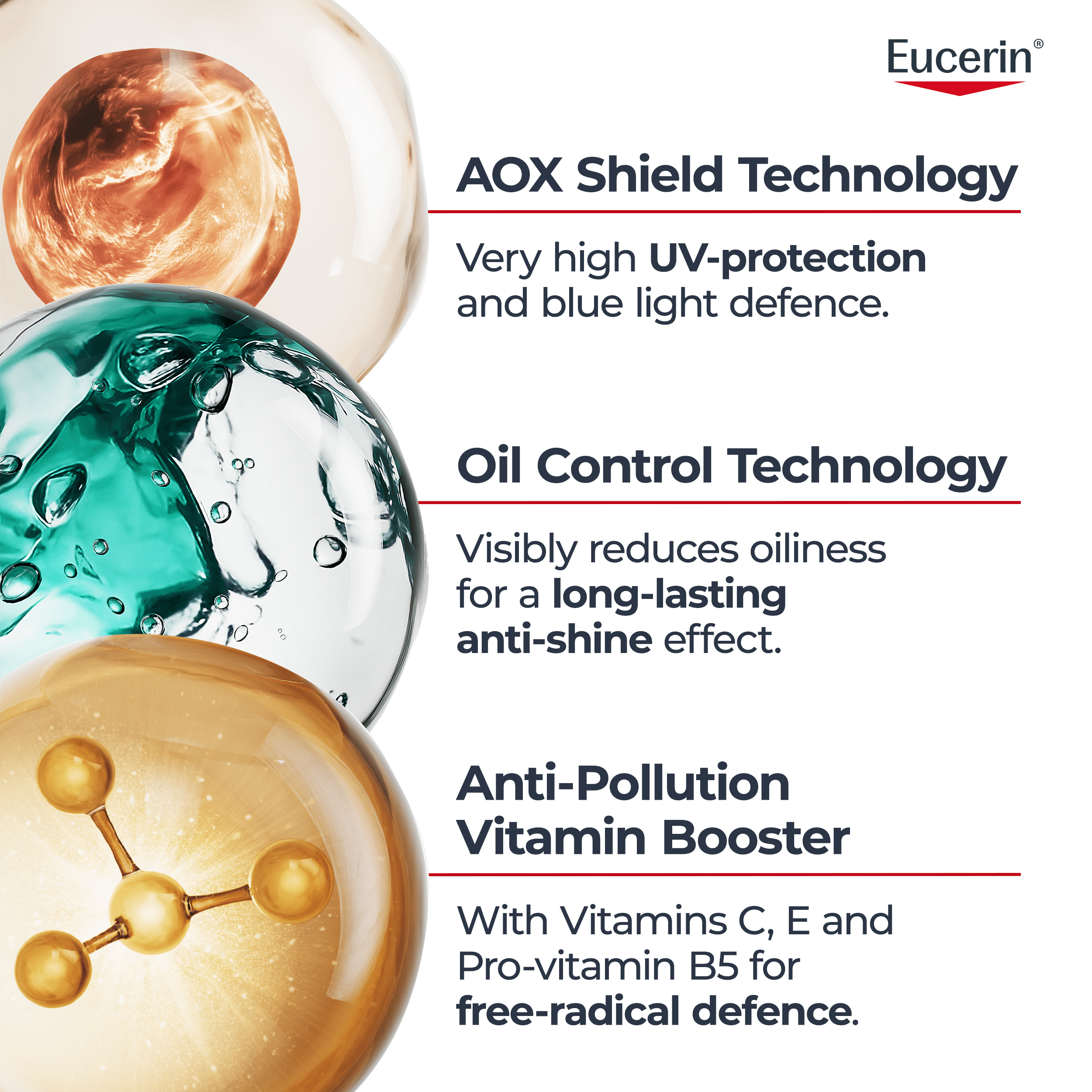
Scientific breakdown of Eucerin Sun Oil Control Daily UV Serum SPF 50+ showing AOX Shield Technology for UV and blue light protection, oil control for shine reduction, and anti-pollution Vitamins C, E, and Pro-Vitamin B5.
Eucerin Sun Oil Control Daily UV Serum SPF 50+ combines AOX Shield Technology for very high UVA/UVB and blue light protection, long-lasting oil control, and an anti-pollution vitamin booster with Vitamins C, E, and Pro-Vitamin B5.

This SPF serum offers a weightless, invisible, immediate matt finish and defending against environmental stressors, including pollution. It is ideal for minimalist routines, daily wear, or layering under makeup without heaviness.  

  • Provides broad-spectrum UVA/UVB protection 
  • Long-lasting anti-shine effect 
  • Anti-pollution booster (Vitamins C, E, Provitamin B5) 
  • Lightweight, serum-like texture 
  • Non-comedogenic and suitable for oily skin 

Eucerin Sun Oil Control Gel-Cream SPF 50+

This sunscreen is ideal for oily and acne-prone skin, providing very high sun protection while visibly reducing oiliness. Its mattifying gel-cream texture ensures skin feels comfortable even under makeup.  

  • Provides broad-spectrum UVA/UVB protection 
  • Oil and shine control for up to 14 hours 
  • Ultra-light gel-cream texture 
  • Non-comedogenic and suitable for acne-prone skin 
  • Reduces blemishes and supports the skin barrier 
' Love this suncream, I have really oily skin, and this helps so much. It also doesn't break me out or feel slimy, greasy, or cakey. '
- Lillie

What ingredients should be in sunscreen for oily skin?

a woman holding Eucerin Sun Face Oil Control Daily UV Serum SPF 50+, our lightest mattifying UV-protection
Eucerin® Sun Face Oil Control Daily UV Serum SPF 50+ combines very high UVB/UVA protection, blue light and pollution defence in an ultra-light, mattifying formula.

Understanding the ingredients in your sunscreen can help you choose products that protect your skin without causing breakouts or excess shine. Dermatologically developed formulas, like Eucerin Sun Face Oil Control Daily UV Serum SPF 50+ or Eucerin Sun Gel-Cream Dry Touch Oil Control SPF 50+, combine UV protection with targeted oil-control and skin-supporting ingredients.  

Eucerin Sun Face Oil Control Daily UV Serum SPF 50+ key ingredients and benefits:

AOX Shield Technology with Licochalcone A: Provides very high UVA/UVB protection, strengthens cellular defence against oxidative stress from UV and blue light, and helps prevent sun-induced premature skin ageing.  
Glycyrrhetinic Acid: Supports the skin’s natural DNA repair mechanism for added protection after sun exposure.  
Oil Control Technology with L-Carnitine and lipid-absorbing microparticles: Regulates sebum production and absorbs excess oil for a long-lasting mattifying effect.  
Anti-pollution Vitamin Booster (Vitamins C, E, Pro-vitamin B5): Defends against free radicals caused by environmental stressors like pollution. 

Eucerin Sun Gel-Cream Dry Touch Oil Control SPF 50+ key ingredients and benefits: 

UVA/UVB Filters: Provide very high broad-spectrum protection, helping prevent sunburn and long-term UV-induced skin damage.  
Licochalcone A: Neutralises free radicals caused by UV and HEVIS light, protecting skin from oxidative stress. 
Glycyrrhetinic Acid: Supports the skin’s natural DNA repair mechanism to help reduce sun-induced damage. 
Oil Control Technology with L-Carnitine and lipid-absorbing microparticles: Regulates sebum production and absorbs excess oil for a long-lasting mattifying effect.  

Using sunscreens with these ingredients ensures oily and acne-prone skin receives effective, broad-spectrum sun protection while staying balanced and comfortable. 

How much sunscreen should I use for oily skin?

Even oily or acne-prone skin needs enough sunscreen to stay fully protected. Apply approximately two finger-lengths of facial sunscreen to cover your entire face, including the ears and hairline. For prolonged sun exposure, reapply every two hours to maintain broad-spectrum UVA/UVB protection. 

Choosing lightweight, non-comedogenic, mattifying formulas like Eucerin Sun Gel-Cream Dry Touch Oil Control SPF 50+ or Eucerin Sun Face Oil Control Daily UV Serum SPF 50+ ensures you can use the recommended amount without feeling greasy or heavy.

How to fit sun protection into your routine

Close-up of a person applying lightweight SPF to oily skin as part of a daily morning skincare routine.
Daily application of a lightweight, oil-control sunscreen protects oily and acne-prone skin while keeping it balanced and shine-free.
Supporting oily and acne-prone skin with a simple, dermatologist-recommended routine enhances the effectiveness of sunscreen while helping maintain a balanced, comfortable complexion. Incorporating products that control sebum production, refine pores, and reduce blemishes ensures that daily SPF works optimally without contributing to shine or congestion.

Skinimalist sun routine using only serum

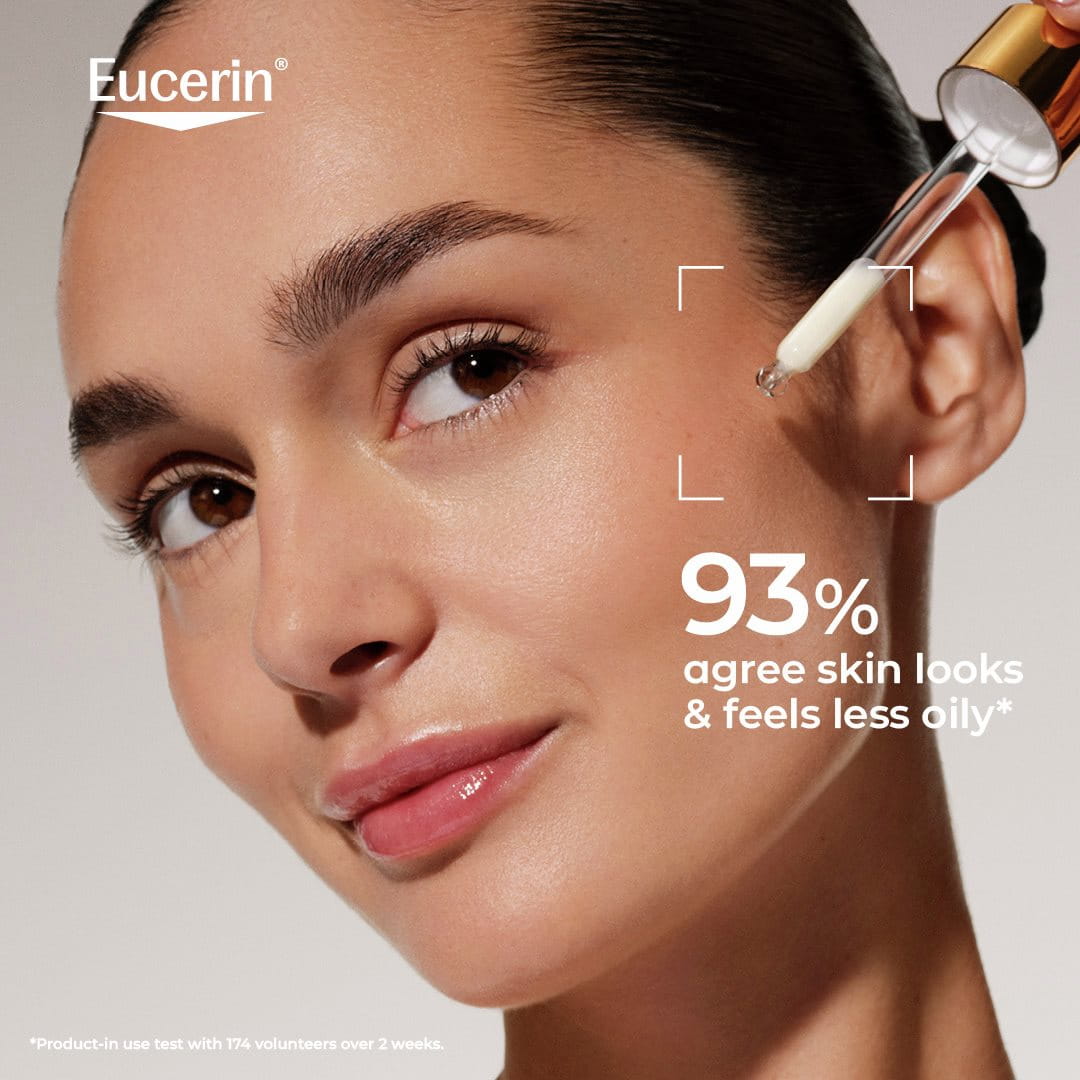
close-up of a person applying Eucerin Sun Face Oil Control Daily UV Serum SPF 50+ to her face.
Eucerin Sun Face Oil Control Daily UV Serum SPF 50+ helps reduce shine and keep skin looking fresh. 93% of users agree their skin feels less oily.

For those who prefer a simplified, one-step routine, Eucerin Sun Face Oil Control Daily UV Serum SPF 50+ delivers broad-spectrum protection, long-lasting shine control, and anti-pollution benefits in a single lightweight step. This routine is perfect for quick mornings, travel, or minimalists who want effective sun care without a separate moisturiser.  

  1. Cleanse: Start with an oil-regulating cleanser to remove excess sebum and impurities. 
  2. Apply serum: Use Eucerin Sun Face Oil Control Daily UV Serum SPF 50+ as both SPF and lightweight protection. Its ultra-light, non-comedogenic formula mattifies skin, protects against UV damage, and supports resilience against environmental stressors, including pollution.  
  3. Optional makeup: Apply a light layer if desired; the serum’s invisible finish works well as a base.   
  4. Reapply: For prolonged sun exposure, reapply SPF every two hours to maintain full UV protection. 
The Oil Control Daily UV Serum SPF 50+ simplifies sun care for oily skin, combining UV protection, oil control, and environmental defence in one weightless step.

Full dermatologist-recommended routine for oily skin

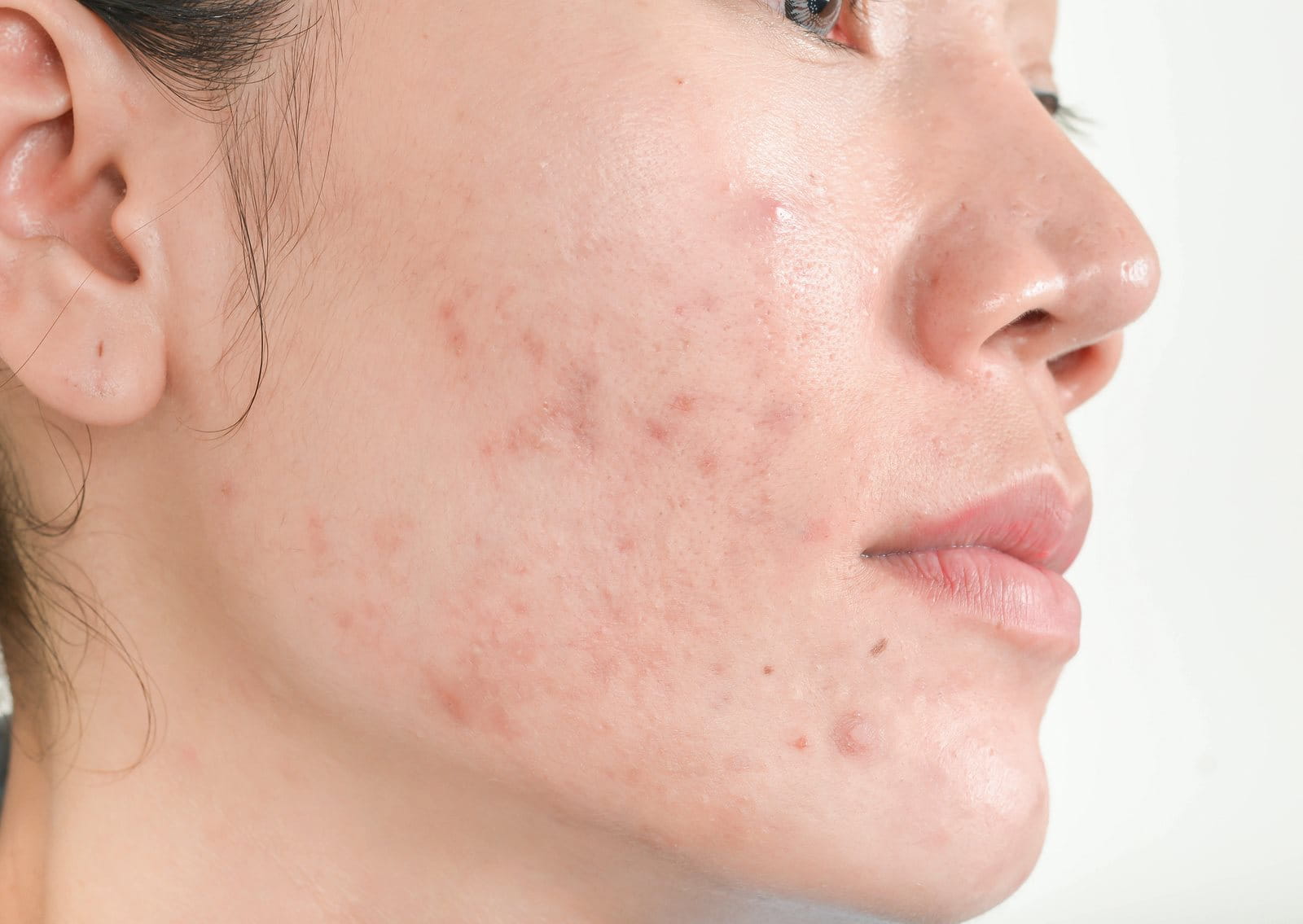
a close up picture of a woman with oily and blemish prone skin
Non-comedogenic sunscreens are recommended for acne-prone skin
For those who want comprehensive daily care, combining oil-regulating cleansers, toners, targeted serums, moisturisers, and sunscreen, the Eucerin Dermopure Clinical range delivers optimal results for oily or acne-prone skin.
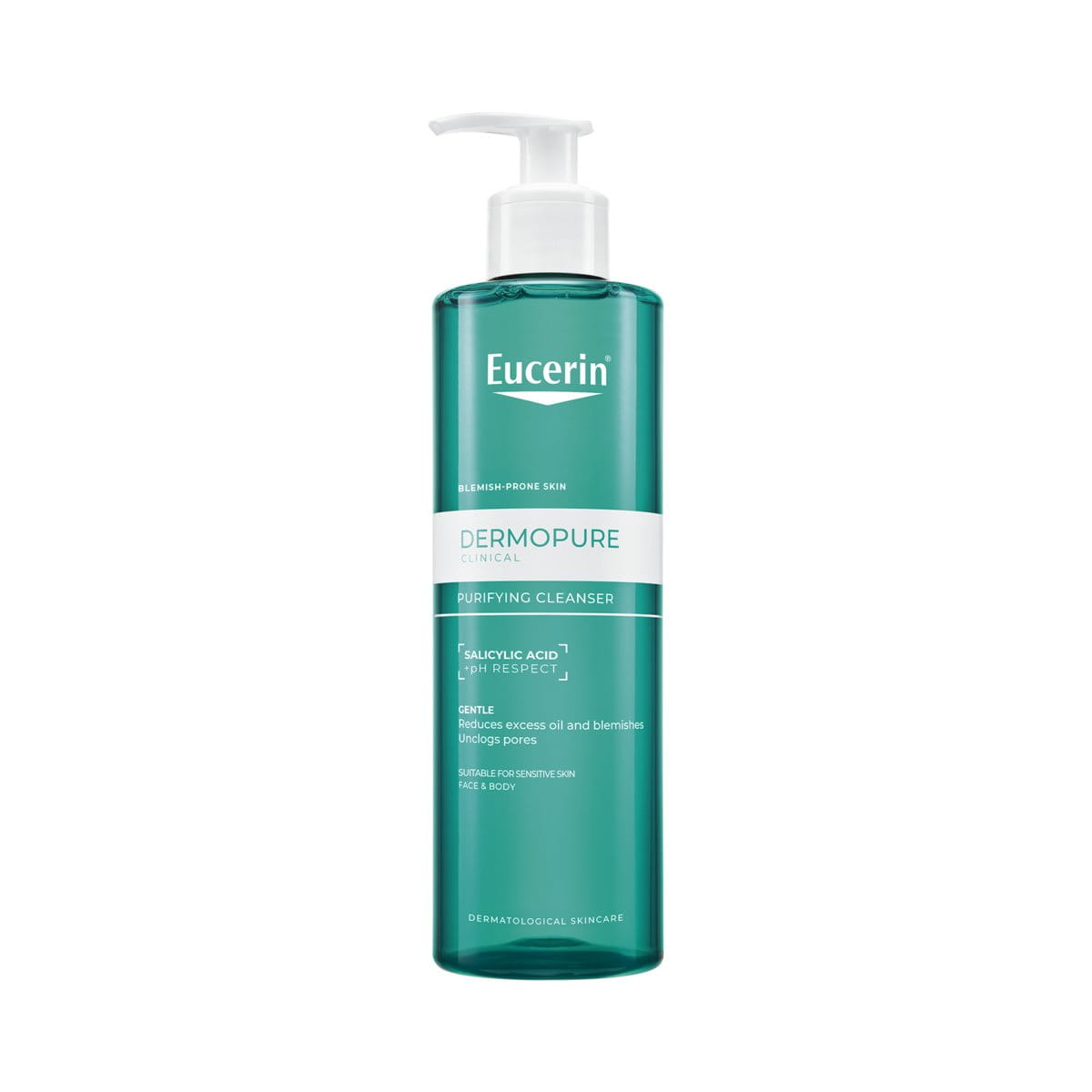
  1. Cleanser: Use a gentle, oil-regulating cleanser to remove excess sebum without over-drying. For example, Eucerin Dermopure Clinical Purifying Cleanser is clinically tested to control oil and correct blemishes from day one. Its Salicylic Acid (BHA) helps smooth skin texture, unclog pores, and gently exfoliate dead skin cells while keeping skin comfortable.  

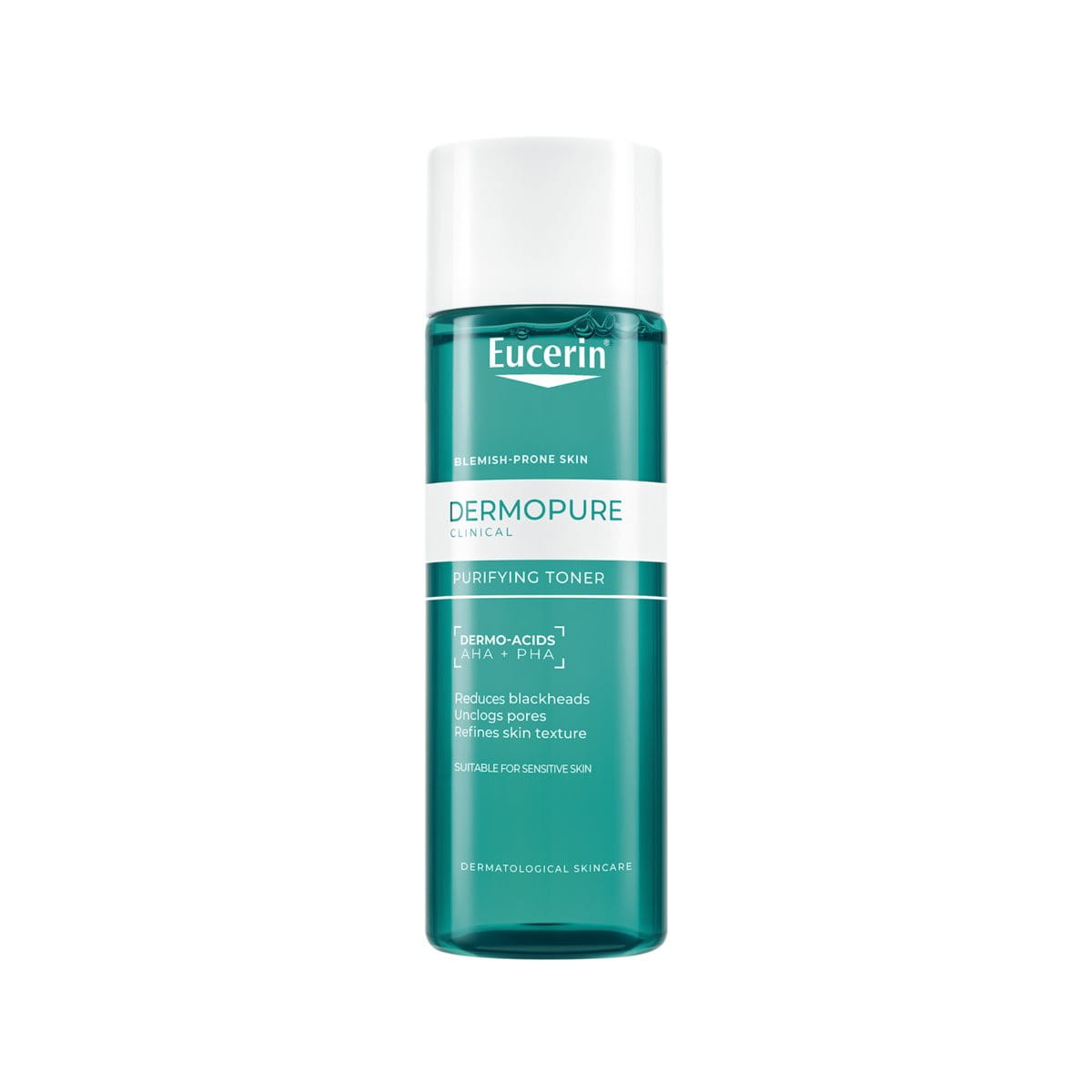
  2. Toner: Apply a toner that helps refine pores and control oil. Eucerin Dermopure Clinical Purifying Toner is clinically proven to correct blackheads, unclog pores, and smooth skin texture with its AHA, BHA and PHA dermo-acid formula. Regular use helps maintain clearer, smoother skin.  

  3. Targeted serum: For acne-prone or oily areas, a corrective serum can reduce blemishes and prevent future breakouts. Eucerin Dermopure Clinical Triple Action Corrective Fluid is clinically proven to improve blemishes, post-acne marks, and comedones while keeping skin hydrated in a lightweight, oil-free texture. 

  4. Moisturiser: Even oily skin benefits from lightweight, non-comedogenic moisturisers, particularly fluids that help control shine while supporting the skin’s barrier. For example, Eucerin Dermopure Clinical Mat Fluid is a mattifying, oil-free fluid that provides hydration and helps balance sebum production without adding greasiness.  

  5. Daily sunscreen: Finish with a lightweight, non-comedogenic sunscreen, such as Eucerin Sun Face Oil Control Daily UV Serum SPF 50+ or Eucerin Sun Gel-Cream Dry Touch Oil Control SPF 50+, to protect against UV damage, prevent post-acne marks, and control shine throughout the day.   

Reminder: Apply approximately two finger-lengths to cover the face and reapply every two hours during prolonged sun exposure.

Skincare routine for oily skin:

Integrating sunscreen into a full, dermatologist-approved routine ensures oily skin stays balanced, protected, and with a matt finish throughout the day.

Summary: optimal sun protection for oily skin

Even oily and acne-prone skin benefits from daily SPF 30-50+ to help prevent post-acne marks, dark spots, and premature ageing. Choosing lightweight, non-comedogenic formulas with mattifying or water-based textures ensures effective mattifying sun protection. 

Dermatologically developed products, such as Eucerin Sun Gel-Cream Dry Touch Oil Control SPF 50+ for oily, acne-prone skin, or Eucerin Sun Face Oil Control Daily UV Serum SPF 50+ for a minimalist, anti-pollution routine, make it simple to integrate sun care into your day. By combining the right sunscreen with a supportive daily routine, oily skin stays balanced, comfortable and fully protected.

FAQs about sunscreen for oily skin

Can I use sunscreen on oily skin?

Yes, you can use sunscreen on oily skin. Choose a non-comedogenic, lightweight formula to prevent clogged pores and provide oil control.

Which sunscreen is more suitable for oily skin, gel or cream?

Lightweight, non-comedogenic formulas with broad-spectrum UVA/UVB protection are the best choice for oily skin. Gel-creams or serums work to provide a mattifying effect while protecting the skin.

Which sunscreen is best for oily skin?

Lightweight, non-comedogenic formulas with broad-spectrum UVA/UVB protection are the best choice for oily skin. Gel-creams or serums like Eucerin Sun Gel-Cream Dry Touch Oil Control SPF 50+ or Eucerin Sun Face Oil Control Daily UV Serum SPF 50+ provide a mattifying effect while protecting the skin. 

Why does my face look so oily after applying sunscreen?

Using heavy or occlusive sunscreens can mix with natural sebum and appear shiny. A lightweight, non-comedogenic formula like Eucerin Sun Face Oil Control Daily UV Serum SPF 50+ helps keep skin matte and comfortable.

Does sunscreen help acne-prone skin?

Sunscreen does not treat acne-prone skin directly but prevents UV-related worsening of post-blemish marks and hyperpigmentation

Are there matte finish sunscreens for oily skin?

Yes, dermatologically developed options such as  Eucerin Sun Gel-Cream Dry Touch Oil Control SPF 50+ and Eucerin Sun Face Oil Control Daily UV Serum SPF 50+ offer a matte finish while protecting against UVA/UVB damage.

Can I skip moisturiser and use sunscreen for oily skin?

Yes, you can skip moisturiser when using a UV serum like Eucerin Sun Face Oil Control Daily UV Serum SPF 50+ that provides hydration and coverage while delivering SPF protection.

Related Articles

Find your nearest Eucerin pharmacy