

Most of us know the sun can damage our skin, yet many people only use sunscreen in summer or on holiday. UV rays are present year-round, even in the UK, and can age and damage skin on cloudy or colder days.
This article explains why daily sunscreen is essential, how UVA and UVB rays affect your skin, and how to apply SPF correctly as part of your morning routine.

Why sunscreen is important
While it's important to get enough vitamin D from sunlight, you should always protect yourself from UVA and UVB rays. UV-induced DNA damage is a main cause of actinic keratosis and its progression into non-melanoma skin cancer.
Here are some useful facts about UV (which stands for ultraviolet radiation):
• Even when the weather is overcast, up to 80% of the sun's rays are still being absorbed by your skin.
• UV light has shorter wavelengths than visible light, and while you can’t see UV, your skin can feel it.
• UVA has a longer wavelength and is associated with skin ageing.
• UVB has a shorter wavelength and is associated with skin burning.
• 80% of visible ageing is caused by UV
What are UVA & UVB rays?
UVA radiation weakens the skin's immune mechanisms and responses, contributing to the development of skin cancer. UVB causes direct damage to skin cells, showing up as sunburn, thus resulting in DNA damage. Eventually, those cells can become cancerous, so UVB rays are particularly harmful to our skin.
Should you wear sunscreen every day?
A few minutes in the sun provides a healthy dose of vitamin D, but our skin is often exposed to several hours of UV rays. Sunscreen helps protect against photoageing, cellular DNA damage and hyperpigmentation, so you should wear sunscreen every day as part of your skincare routine and keep applying, even over your makeup.

Years of sun damage can result in you looking much older than you are, but if you wear sunscreen every day, you can prevent signs of visible damage from appearing later in life.
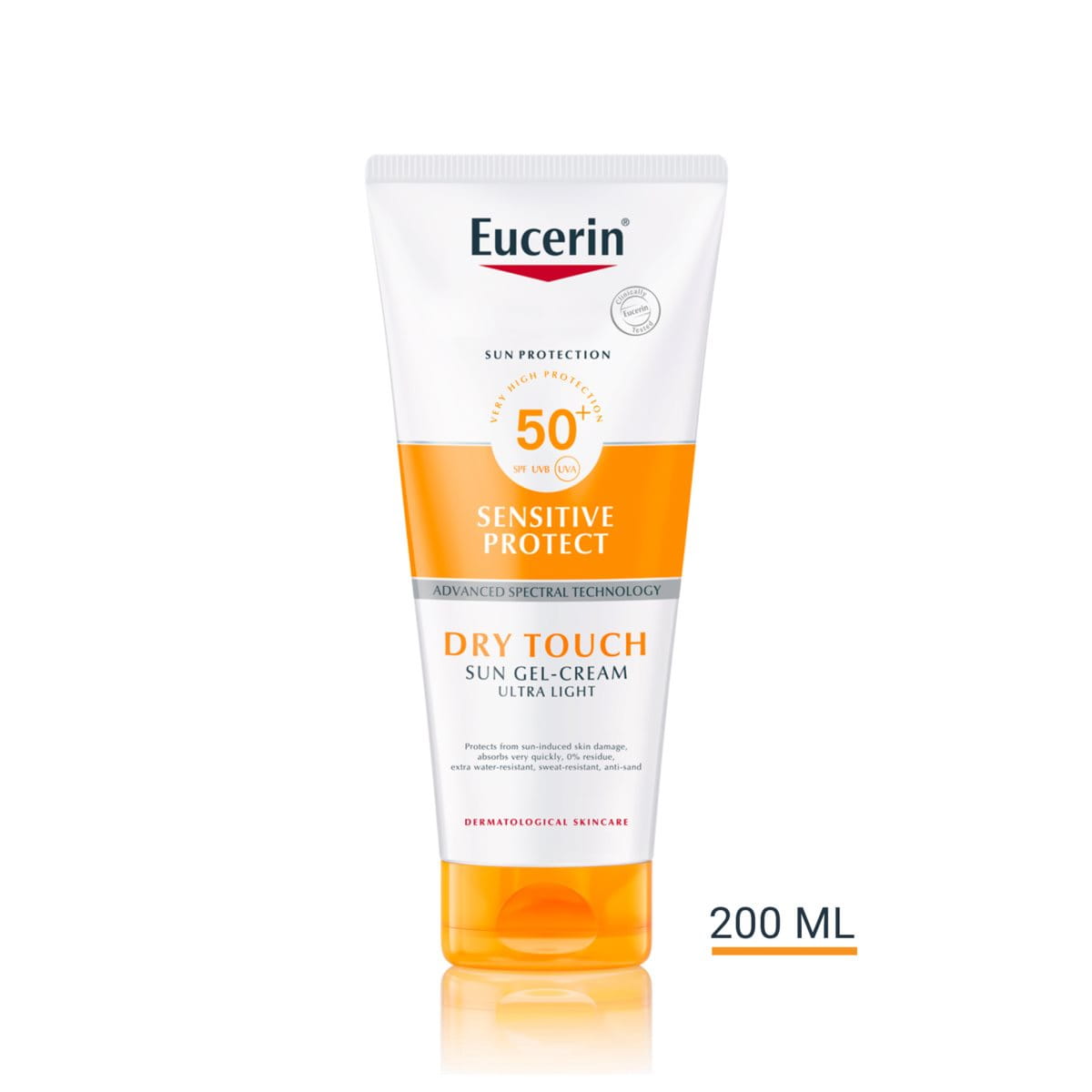
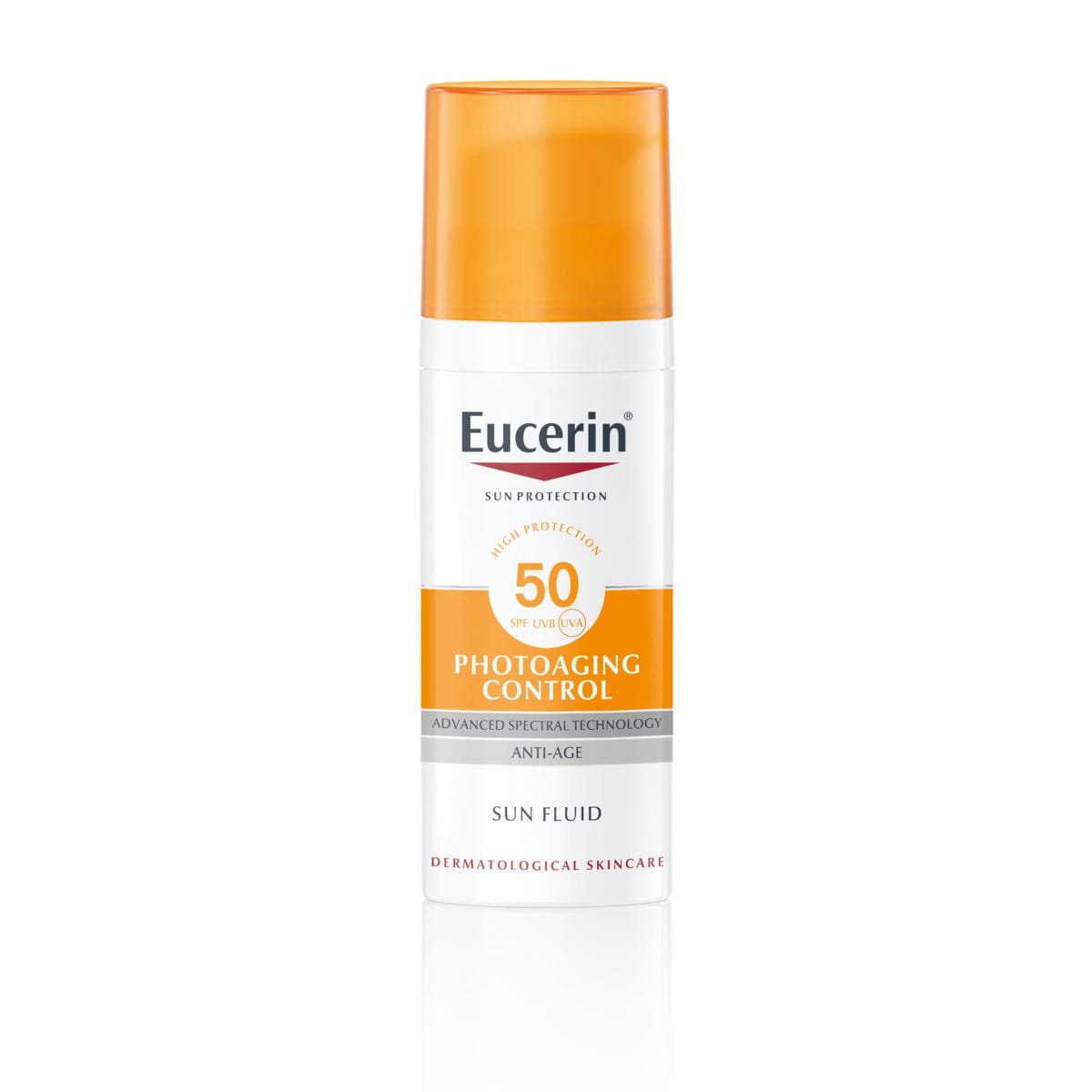
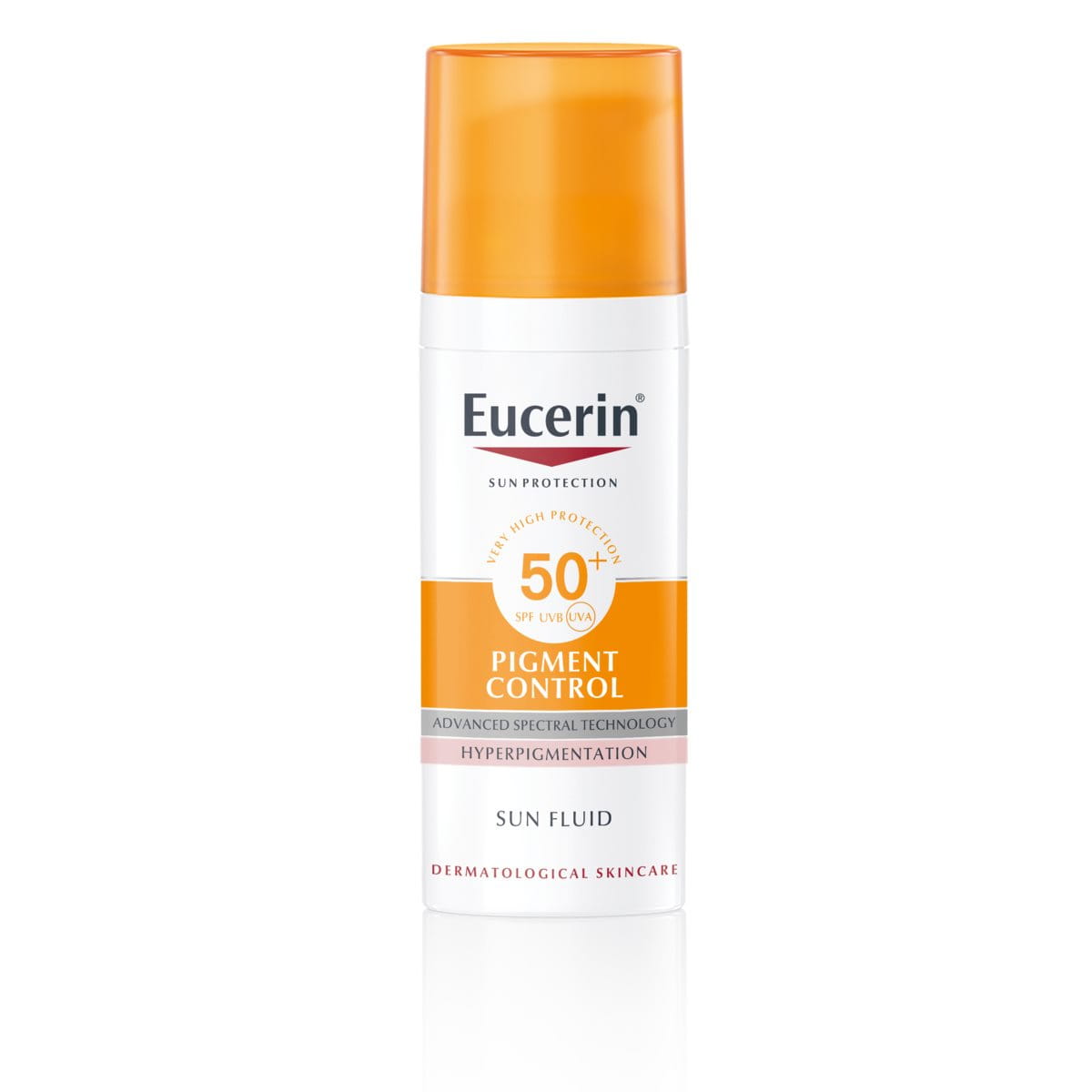
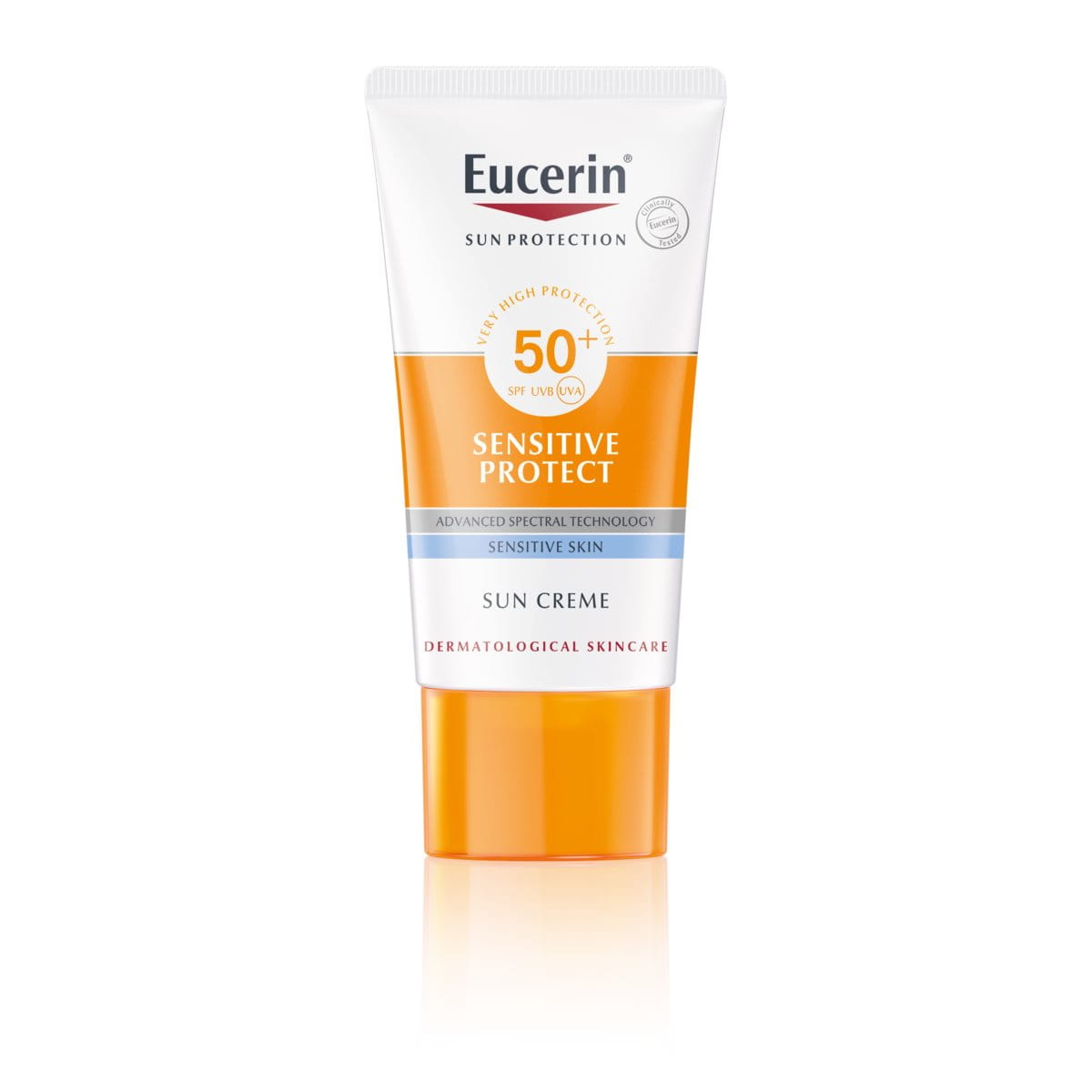
Those with fairer skin have less melanin, which is a protective pigment, so they are more at risk of UV radiation throughout the year. Discover sunscreen tailored to each skin type in the Eucerin Sun range.
Do you put sunscreen on before or after a moisturiser?
Applying sunscreen should be considered as much a part of your daily routine as cleansing, moisturising and toning. If you're wondering whether to apply sunscreen before or after your moisturiser, SPF should be applied as the final step in your routine, before make-up.
Physical sunscreens are formulated with protective ingredients to create a barrier between your skin and the sun, so layering a sunscreen after moisturising helps block harmful UV rays.
Several Eucerin day creams include a sun protection factor, for example Eucerin Hyaluron-Filler Day SPF 30. Your skin may require a higher SPF, which can be used in addition to, or instead of, your usual SPF day cream.